Reversing Sun Damage and Restoring Structural Skin Integrity
By Hawaii Facial Plastic Surgery 13-10-2026 7
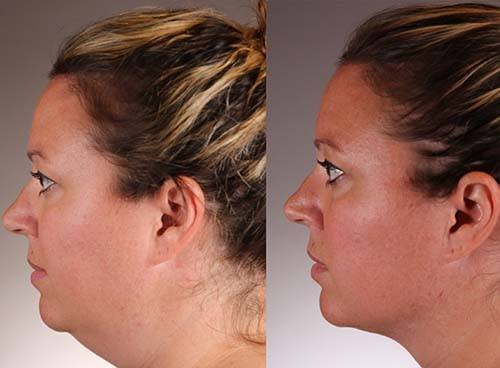
Living in a high-UV environment places extraordinary stress on the dermal layers. The persistent exposure to ultraviolet radiation accelerates the degradation of structural proteins at a rate that natural biological repair mechanisms cannot match. This process, known clinically as photoaging, manifests as a distinct loss of elasticity, uneven pigmentation, and the premature development of deep static wrinkles. Many individuals mistakenly attribute these changes solely to the passage of time, failing to recognise the profound impact of environmental factors. The truth is that chronic sun damage fundamentally alters the cellular matrix of the skin. When the foundation begins to weaken, superficial topical treatments offer little more than temporary hydration. They cannot rebuild what has been structurally compromised. True restoration requires a systematic approach that addresses the damage at a cellular level, triggering the fibroblasts to produce fresh, resilient tissue.
The visible signs of photoaging are merely the surface representation of deeper structural collapse. Beneath the epidermis, the once-tightly woven network of elastin and other supporting fibres becomes fragmented and disorganised. This loss of structural integrity leads directly to the sagging and thinning observed in sun-damaged skin. Treating this condition effectively demands interventions that reach deep into the dermis. Modern aesthetic medicine has moved far beyond simple surface exfoliation. We now possess the clinical tools necessary to induce a controlled healing response, prompting the body to clear away damaged proteins and lay down a new, healthy matrix. This regenerative process is the only proven method to reverse the visible markers of severe environmental damage and restore a firmer, more youthful texture to the affected areas.
Addressing decades of sun exposure requires a highly individualised medical strategy. A generic approach simply will not yield the desired results when dealing with complex structural degradation. This is why seeking care at a specialised Hawaii collagen clinic is an essential step for anyone serious about skin restoration. The practitioners in these dedicated environments understand the specific challenges posed by tropical climates. They conduct comprehensive assessments of the skin's thickness, laxity, and underlying health before formulating a treatment plan. By selecting therapies that specifically target the deepest layers of the dermis, they can initiate the biological processes required for true rejuvenation. A dedicated Hawaii collagen clinic focuses entirely on long-term tissue regeneration rather than temporary cosmetic fixes, ensuring that every procedure contributes to building a stronger, healthier dermal foundation.
The timeline for meaningful skin restoration is an important consideration for any patient. Because these clinical treatments rely on the body's natural regenerative cycles, the results are not instantaneous. The synthesis of new structural proteins takes weeks to become apparent and continues to improve for several months following a procedure. Patients must view this process as a gradual, cumulative investment in their skin health. During this rebuilding phase, the newly formed tissue requires rigorous protection from further environmental damage. Strict adherence to sun avoidance and medical-grade topical protection is non-negotiable. The dedication to this recovery protocol directly determines the quality and longevity of the final outcome. When patients commit fully to the process, they are rewarded with a profound improvement in skin density and a visible reduction in the signs of chronic photoaging.
Reversing severe environmental damage offers benefits that extend far beyond the physical changes. There is a profound psychological shift that occurs when a patient sees their skin regain its former resilience. The frustration of dealing with premature ageing is replaced by a renewed sense of confidence. This transformation is the direct result of choosing clinically sound, regenerative treatments over ineffective surface remedies. Maintaining these results requires an ongoing commitment to skin health, but the foundation has been successfully repaired. By understanding the biological realities of photoaging and seeking appropriate medical intervention, individuals can successfully reclaim the integrity of their skin. The journey requires patience and expert guidance, but the outcome is a healthier, more vibrant appearance that truly reflects your internal vitality.
Conclusion
Addressing severe photoaging requires a fundamental understanding of how environmental stress damages the dermal matrix. By focusing on treatments that stimulate cellular regeneration, individuals can effectively rebuild their skin's structural foundation. Committing to a clinically guided, long-term restoration plan ensures the return of firm, resilient skin and lasting confidence.
Call to Action
Take the first step towards repairing environmental damage and restoring your skin's natural strength. Schedule a comprehensive evaluation with our clinical team today to discuss a regenerative treatment plan designed specifically for your needs.
Tags : .....