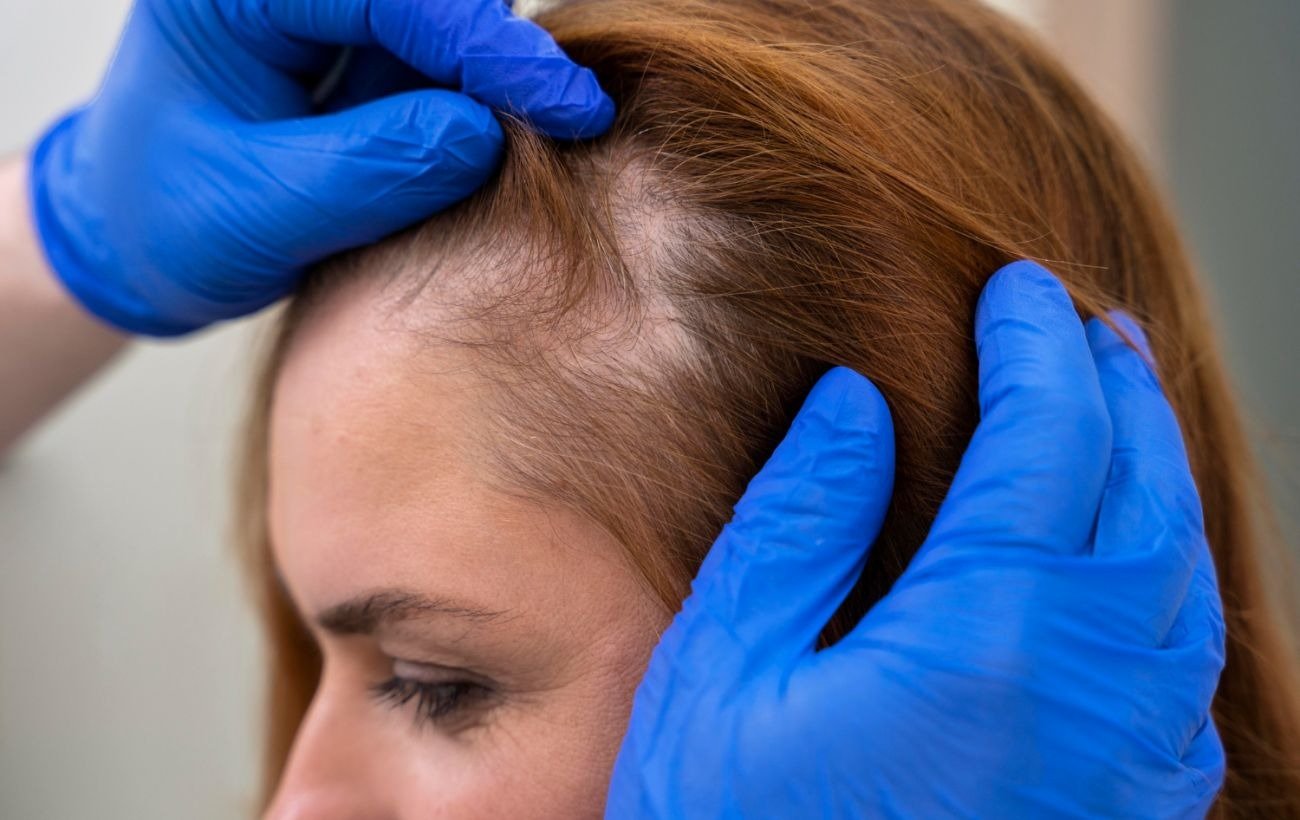
Female hair thinning can affect much more than appearance. Reduced density around the parting, temples, frontal hairline, or crown may gradually become noticeable, particularly when hair is styled or exposed to bright light. While changes in hormones, genetics, nutritional factors, stress, ageing, and certain medical conditions can contribute to female hair loss, the right treatment depends on identifying the underlying cause first. For women with stable donor hair and suitable patterns of permanent thinning, transplantation can be considered as one option for restoring selected areas of density.
Dubai has become an increasingly visible destination for aesthetic and hair-restoration procedures, giving patients access to clinics with different approaches, technologies, and consultation models. Female Hair Transplant in Dubai may involve techniques such as Follicular Unit Extraction (FUE) or other follicular-unit-based approaches, with treatment planning tailored to the patient's hair characteristics and donor supply.
The objective should not simply be to add as many grafts as possible. Female hair restoration requires careful attention to existing hair, natural growth direction, donor-area preservation, and the patient's long-term expectations. A qualified consultation can help determine whether transplantation is appropriate or whether another treatment should be considered first.
Enfield Royal Clinic
Enfield Royal Clinic can be considered by women seeking a structured approach to hair restoration in Dubai. For patients exploring Female Hair Transplant in Dubai, an important part of the consultation is understanding the pattern of thinning, assessing donor hair, and discussing what level of improvement can realistically be achieved.
Female restoration can require particularly careful graft placement because transplanted follicles need to blend with existing strands rather than create an artificial-looking transition. A personalized assessment can therefore be useful when determining the treatment area, approximate graft requirements, and suitable technique.
Tajmeels Clinic
Tajmeels Clinic is another option patients may explore when researching hair-restoration services in Dubai. A consultation for female hair transplantation should consider whether the patient's hair loss is localized or diffuse and whether sufficient healthy donor follicles are available.
Women should also discuss their previous treatments, relevant medical history, and expectations during the consultation. These details can influence whether transplantation is appropriate and how the treatment plan should be designed.
Cocoona Clinic
Cocoona Clinic provides a setting where patients can investigate cosmetic and surgical treatment options under professional medical guidance. For women considering hair restoration, the assessment should go beyond the visibly thinning region.
The condition of the scalp, density of the donor region, characteristics of existing hair, and potential progression of hair loss are all relevant. A thoughtful treatment plan should aim to complement the patient's natural hair rather than simply increase the number of follicles in one area.
Emirates Hospital
Emirates Hospital is another healthcare provider that patients may consider when researching hair-restoration options. Women experiencing significant thinning may benefit from an evaluation that first considers possible underlying contributors to hair loss.
This is particularly important because not every type of female hair loss is best addressed through transplantation. When permanent follicular loss is present and donor hair is adequate, transplantation may have a role. Otherwise, medical management or other approaches may need to be considered.
Dynamic Life Clinic
Dynamic Life Clinic can also be explored by women comparing hair-restoration services in Dubai. One of the most important aspects of a female transplant consultation is establishing realistic expectations before treatment.
Women often retain substantial amounts of existing hair even when density has decreased. This means treatment planning must account for both transplanted and natural follicles. Strategic placement can help improve coverage while preserving the appearance of the existing hair.
Al Zahra Hospital Dubai
Al Zahra Hospital Dubai is another healthcare facility patients may investigate when considering hair-related procedures. A professional evaluation can help distinguish between different patterns of hair loss and determine whether transplantation is clinically suitable.
Patients should ask about the assessment process, surgical protocols, aftercare, and how complications are managed. Understanding these factors before making a decision can be just as important as comparing the procedure itself.
Dubai Cosmetic Surgery Clinic
Dubai Cosmetic Surgery Clinic is another option for women researching cosmetic hair-restoration procedures. Female hair transplantation requires attention to aesthetics because the frontal hairline and surrounding areas can strongly influence the overall appearance of the result.
During a consultation, patients can discuss the desired density, hairline design, donor-area limitations, and expected recovery. It is also useful to understand that final growth develops gradually rather than immediately after the procedure.
King’s College Hospital London Dubai
King’s College Hospital London Dubai may also be considered by patients who prefer to explore hair and aesthetic care within a broader hospital-based healthcare environment. Women experiencing unexplained or progressive hair loss may benefit from discussing the cause of their condition before proceeding with a surgical procedure.
A detailed assessment can help determine whether transplantation is suitable and whether additional management may be necessary to protect existing hair. This is particularly relevant because transplantation does not necessarily prevent future thinning of untreated native follicles.
How to Choose the Right Clinic for Female Hair Transplant in Dubai
Experience and Qualifications
Look for appropriately qualified medical professionals with relevant experience in hair restoration and female-specific cases. Ask who will evaluate you, who will perform the surgical aspects of treatment, and how frequently the team manages female hair-loss patterns.
Technology and Techniques
Technology can support precision, but the equipment itself should not be the sole deciding factor. Ask which transplantation technique is recommended and why it suits your hair characteristics, donor supply, and treatment goals.
Safety Standards
A reputable facility should maintain appropriate infection-control procedures, sterile surgical practices, patient monitoring, and emergency protocols. Patients should also receive clear instructions concerning medications, preparation, and postoperative care.
Consultation Process
A proper consultation should involve examination of the scalp and donor region rather than relying only on photographs. The clinician should discuss potential causes of hair loss and explain whether transplantation is appropriate.
Patient Experience
Consider how clearly the clinic communicates before and after treatment. Written instructions, accessible follow-up, realistic expectations, and transparent explanations can contribute to a safer and more informed treatment journey.
Expected Results
Hair transplantation should be approached as a gradual restoration process. New growth develops over time, and the final appearance depends on factors such as graft survival, donor quality, existing hair density, scalp characteristics, and ongoing hair loss.
Frequently Asked Questions
Is female hair transplantation suitable for every woman?
No. Suitability depends on the cause and pattern of hair loss, donor-hair availability, scalp condition, and overall treatment goals. Some women may benefit more from medical or non-surgical approaches.
Can a female hair transplant create completely new hair density?
Transplantation redistributes follicles from a donor area to areas requiring additional coverage. It does not create new follicles, so the available donor supply places a natural limit on achievable density.
Does female hair transplantation look natural?
A natural result depends heavily on appropriate hairline design, graft selection, placement, growth direction, and integration with existing hair. Proper planning is especially important when considerable native hair remains.
How long does it take to see the final result?
Hair growth occurs gradually. Initial changes may appear during the months following treatment, while fuller maturation generally takes considerably longer. Individual timelines vary.
Can women continue losing their original hair after transplantation?
Yes. Transplanted follicles may remain durable, but untreated native hair can continue to thin depending on the underlying condition. A long-term hair-management strategy may therefore be important.
Conclusion
Restoring female hair density requires more than selecting a procedure based on technology or promotional claims. Women should first understand the cause and pattern of their hair loss, evaluate donor availability, and receive a professional assessment of whether transplantation is appropriate. Comparing qualifications, safety protocols, treatment techniques, consultation quality, and follow-up support can make the decision more informed. For those researching Female Hair Transplant, choosing a clinic that emphasizes individualized planning and realistic expectations can help support a natural-looking and sustainable approach to hair restoration.