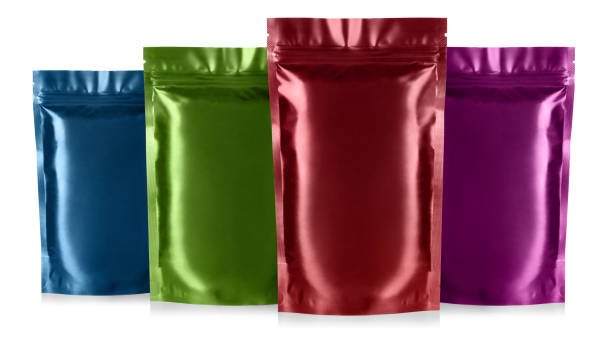
Flexible packaging has become one of the fastest-evolving packaging formats, supporting product protection, convenience, resource efficiency, and supply chain optimization across numerous industries. From food and beverages to pharmaceuticals, personal care products, industrial goods, and pet food, flexible packaging offers lightweight, durable, and cost-effective solutions that meet changing manufacturing and consumer requirements. As sustainability and packaging performance gain greater importance, flexible packaging continues to play a critical role in modern product distribution.
According to a study published by Vyansa Intelligence, the Flexible Packaging Market size was valued at USD 286.43 Billion in 2025 and is projected to reach USD 437.02 Billion by 2032, expanding at a CAGR of 6.22% during 2026-2032. Increasing demand for lightweight packaging, extended product shelf life, and sustainable packaging materials continues to support the Flexible Packaging Market growth across global industries.
Flexible Packaging Delivers Versatility Across Industries
Flexible packaging includes pouches, bags, films, wraps, sachets, liners, and other packaging formats manufactured using materials such as polyethylene, polypropylene, polyethylene terephthalate, aluminum foil, paper, and multilayer laminates. These packaging solutions are designed to protect products while reducing packaging weight and improving transportation efficiency.
The format provides excellent barrier properties against moisture, oxygen, light, and contaminants, helping preserve product quality throughout storage and distribution. Its design flexibility also enables manufacturers to create packaging tailored to different product categories, making Flexible Packaging Market trends increasingly aligned with innovation in material science and product functionality.
Food and Beverage Industry Continues to Drive Adoption
Food and beverage manufacturers remain the largest users of flexible packaging because of its ability to improve product protection, extend shelf life, and reduce transportation costs. Products including snacks, dairy items, frozen foods, beverages, coffee, sauces, confectionery, and ready-to-eat meals increasingly rely on flexible packaging for efficient storage and distribution.
The U.S. Environmental Protection Agency (EPA) recognizes packaging as a significant component of municipal solid waste while emphasizing source reduction, recycling, and material efficiency as important strategies for sustainable packaging management. Lightweight flexible packaging contributes to these objectives by reducing material usage compared with many traditional packaging formats.
The continued expansion of packaged food production and changing consumption patterns are expected to support long-term demand for advanced flexible packaging solutions.
Sustainability Is Reshaping Material Development
Sustainability has become one of the most influential forces driving packaging innovation. Manufacturers are increasingly developing recyclable mono-material structures, compostable films, bio-based polymers, and packaging with higher recycled content to reduce environmental impact.
The United Nations Environment Programme (UNEP) encourages circular economy approaches that improve plastic resource efficiency through reuse, recycling, and sustainable product design. These principles are encouraging packaging manufacturers to redesign flexible packaging systems that support improved recyclability while maintaining product performance.
Brand owners are also committing to packaging sustainability targets that encourage greater use of recyclable materials and improved packaging recovery systems throughout global supply chains.
Technology Is Advancing Packaging Performance
Innovation in polymer chemistry and manufacturing technologies continues to improve flexible packaging performance. Advanced extrusion, lamination, digital printing, and barrier coating technologies allow manufacturers to produce lightweight packaging with enhanced durability and superior product protection.
Smart packaging technologies are becoming increasingly integrated into flexible packaging applications. QR codes, near-field communication (NFC), RFID tags, freshness indicators, and digital traceability systems help improve inventory management, product authentication, and consumer engagement.
These technological developments continue to strengthen the Flexible Packaging Market forecast by expanding packaging functionality while supporting efficient manufacturing and logistics operations.
Circular Economy Is Driving Industry Transformation
Packaging manufacturers are increasingly adopting circular economy strategies to reduce waste and improve material recovery. Investment in advanced recycling technologies, design-for-recycling principles, and post-consumer recycled materials is becoming a central component of industry development.
Governments around the world are implementing extended producer responsibility (EPR) policies and packaging waste regulations that encourage recyclable product design and improved collection infrastructure. These initiatives are accelerating innovation throughout the flexible packaging value chain while promoting responsible material management.
Collaborative efforts among packaging manufacturers, recyclers, consumer goods companies, and regulatory authorities are helping establish more sustainable packaging ecosystems capable of supporting long-term resource efficiency.
Expanding Applications Beyond Consumer Goods
Although food packaging remains the largest application, flexible packaging is expanding rapidly across pharmaceuticals, healthcare products, personal care items, industrial chemicals, agricultural products, and pet nutrition. The healthcare sector increasingly relies on flexible packaging for sterile medical products, pharmaceutical pouches, and protective packaging systems that maintain product integrity.
E-commerce growth is also increasing demand for lightweight protective packaging that minimizes transportation costs while ensuring safe product delivery. Flexible packaging solutions designed specifically for online retail continue gaining importance as global digital commerce expands.
These diversified applications contribute to sustained industry development and broader adoption across multiple manufacturing sectors.
Competitive Landscape
Competition within the industry focuses on sustainable materials, lightweight engineering, barrier technology, digital printing, and operational efficiency. Manufacturers continue investing in recyclable packaging structures, bio-based materials, and advanced production technologies to meet evolving customer and regulatory requirements.
Strategic collaborations among packaging converters, polymer producers, consumer goods companies, and recycling organizations are accelerating innovation while improving circular packaging solutions capable of addressing future sustainability challenges.
Future Direction
The future of flexible packaging will be shaped by sustainable material innovation, digital manufacturing, intelligent packaging technologies, and expanding circular economy initiatives. Continued advances in recyclable polymers, compostable materials, barrier coatings, and smart packaging systems are expected to strengthen packaging performance while reducing environmental impact.
Growing demand from food processing, pharmaceuticals, healthcare, e-commerce, and personal care industries is likely to create new opportunities for manufacturers delivering innovative, lightweight, and environmentally responsible packaging solutions. These long-term developments position the Flexible Packaging Market for continued expansion as industries increasingly prioritize efficiency and sustainability.
Conclusion
Flexible packaging has become a cornerstone of modern packaging by combining lightweight design, product protection, material efficiency, and manufacturing versatility. Ongoing innovation in sustainable materials, advanced manufacturing technologies, and circular economy practices continues to expand its applications across numerous industries. As packaging requirements continue to evolve, flexible packaging will remain an essential solution supporting efficient, safe, and environmentally responsible product distribution.
Tags : Flexible Packaging Market Flexible Packaging Market Size Flexible Packaging Market Share Flexible Packaging Market Growth Flexible Packaging Market Trends Flexible Packaging Market Forecast Flexible Packaging Industry Flexible Packaging Solutions Sustainable Packaging Flexible Plastic Packaging