Ramadan Umrah Packages: How to Build a Pilgrimage Around Your Daily Rhythm
By Oliver James 05-10-2026 10
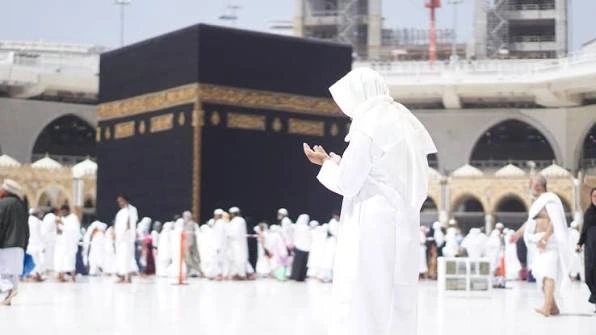
Ramadan has its own rhythm, and travelling for Umrah during the month means adapting to it rather than trying to follow an ordinary holiday routine.
For pilgrims travelling from Britain, choosing Ramadan umrah packages is therefore about more than finding suitable flights and accommodation. The timing of meals, prayer, rest, travel and worship can all influence how comfortable and meaningful the journey feels.
The Saudi Ministry of Hajj and Umrah describes Umrah during Ramadan as having particular virtue, while its official guidance also provides practical information for pilgrims preparing for the journey.
Instead of trying to organise every hour, it can be more useful to understand your natural Ramadan rhythm and choose arrangements that work around it.
Your Day Has a Different Shape During Ramadan
On an ordinary trip, the morning might begin with breakfast before heading out for the day.
During Ramadan, the structure is different.
Suhoor, Fajr, fasting, prayer, rest, iftar and evening worship naturally divide the day into different periods.
This means that a schedule that looks reasonable on paper may feel very different once you are actually living through it.
A transfer in the middle of the day, for example, may feel more demanding while fasting. An early morning commitment might affect your opportunity to rest after Fajr. An evening activity may compete with the time you would otherwise spend at prayer.
Thinking about the day as a complete cycle can therefore be more useful than simply counting how many activities an itinerary contains.
Identify Your Natural Energy Windows
Not everyone experiences Ramadan in exactly the same way.
Some people feel comfortable staying active during the day and resting later. Others prefer to conserve their energy before iftar and become more active during the evening.
This is worth considering before selecting Ramadan umrah packages from UK.
Think about your own routine during Ramadan at home.
When do you normally feel most energetic?
When do you prefer to rest?
Do you enjoy being awake late into the night?
Would you rather perform activities earlier in the day?
There is no correct answer.
The objective is simply to recognise your own pattern so you can make more informed travel decisions.
Don't Treat Iftar as Just Another Meal
During Ramadan, iftar is a significant part of the daily experience.
When travelling, however, it can become easy to treat it as something that simply needs to fit around your itinerary.
A better approach is to consider where you expect to be around sunset.
If you are travelling between destinations, you may need to think ahead. If you are spending the evening near the Haram, you may want your arrangements to leave enough time for breaking the fast and preparing for prayer.
This does not mean predicting every minute of the day.
It means recognising that sunset creates an important transition in your daily routine.
A little planning can prevent an avoidable rush.
Give Suhoor More Attention Than You Might Expect
Suhoor can be overlooked when people plan their Umrah trip.
It is often treated simply as the meal before fasting begins.
But for someone travelling, the timing of suhoor can affect sleep, energy and the rest of the day.
If you return late after evening prayers, you may have only a limited period before waking again.
That makes rest particularly important.
When considering accommodation, think beyond appearance and room category. Consider whether the overall arrangement allows you to establish a routine that works with late evenings and early mornings.
The more comfortable that routine becomes, the easier it may be to manage the physical side of travelling during Ramadan.
Build Around Prayer Rather Than Around Activities
One of the simplest ways to make a Ramadan itinerary feel more natural is to reverse the usual approach to planning.
Instead of starting with activities and trying to fit prayer around them, begin with the prayer structure of your day.
Then consider what can comfortably sit between those points.
This does not mean creating a rigid timetable.
Quite the opposite.
It gives the day a basic framework while leaving room for rest, worship and unexpected changes.
For many pilgrims, this can feel more appropriate than trying to fill every available period with travel or sightseeing.
Leave Some Evenings Open
Ramadan evenings can become particularly important.
After iftar, the night may include Maghrib, Isha, Taraweeh, Qur'an, dua and personal reflection.
If every evening is filled with additional plans, you may eventually feel that you are managing a schedule rather than experiencing Ramadan.
Leaving some evenings relatively open can provide valuable flexibility.
You might decide where you want to pray based on how you feel that evening. You may want to spend more time in worship or simply rest before the next day.
An open evening is not wasted time.
It can be part of the structure that allows the rest of the journey to remain sustainable.
Location Should Be Judged Through Your Routine
Hotel location is often discussed in terms of distance.
During Ramadan, however, it can be useful to think about location in terms of routine.
How easy is it to return to your accommodation when you need to rest?
How manageable is it to prepare for prayer?
How convenient is the location for the people travelling with you?
These questions may matter more than a simple description of the surrounding area.
The best location for one pilgrim may not be the best location for another.
A solo traveller with plenty of energy may approach the question differently from a family travelling with children or older relatives.
Don't Assume Every Day Needs the Same Schedule
Your first few days may feel different from the middle of your trip.
Arrival brings travel fatigue and unfamiliar surroundings.
Later, you may become more comfortable with the local environment and develop a routine.
Towards the end of the journey, your priorities may change again.
This is one reason it can be unhelpful to design every day around exactly the same pattern.
A flexible itinerary gives you room to respond to how you are actually feeling rather than how you expected to feel before travelling.
This can be particularly valuable when fasting and maintaining a demanding worship routine.
Families Can Create a Shared Rhythm Without Doing Everything Together
Family travel during Ramadan can become complicated if everyone is expected to follow the same routine.
Children may sleep at different times. Older relatives may need additional rest. Adults may have different preferences regarding prayer and evening activities.
Instead of trying to keep the whole group together constantly, agree on the parts of the day that matter most.
Perhaps everyone wants to meet for a particular meal or prayer.
At other times, family members can follow their own rhythm.
This approach can reduce tension and make the pilgrimage more comfortable without losing the sense of travelling together.
Use Technology as a Support, Not Another Schedule
Smartphones can be particularly useful during Umrah.
Prayer times, maps, booking information, communication and official travel guidance can all be accessed digitally.
But there is a difference between using technology when needed and allowing notifications, messages and social media to occupy every quiet moment.
The Saudi Ministry of Hajj and Umrah currently provides multilingual awareness material and guidance for pilgrims, including information relating to rights, responsibilities and services.
Keep useful information accessible, but consider reducing unnecessary digital distractions.
Ramadan already provides plenty of opportunities for reflection without adding another stream of constant notifications.
Keep Practical Requirements Separate From Personal Plans
Your personal Ramadan routine is something you can adjust.
Official travel requirements are different.
Visa conditions, health requirements, permits and other procedures should be checked using current official sources rather than assumed from a previous year's experience.
GOV.UK currently advises British pilgrims to keep passports and travel documents secure, check current requirements, obtain important arrangements in writing and ensure appropriate vaccination requirements are met for Umrah.
The Ministry of Hajj and Umrah also provides current guidance and regulations for Umrah visitors.
This distinction is useful: your routine can be flexible, but official requirements should be treated seriously.
Think About What You Want to Remember
A useful way to assess your itinerary is to imagine yourself back home after Ramadan.
What would you hope to remember?
Perhaps it would be the time spent in prayer.
Perhaps it would be breaking the fast with family.
Perhaps it would be quiet moments when you were able to reflect without rushing to the next commitment.
Your answer can help you decide what deserves space in your itinerary.
If something is genuinely important to you, make sure your travel arrangements do not consistently push it aside.
Let the Schedule Serve the Pilgrimage
The purpose of planning is not to control every part of your Umrah.
It is to remove unnecessary uncertainty so you have more freedom to concentrate on the journey itself.
This is particularly relevant when comparing Umrah packages during Ramadan.
Look beyond the headline features and consider how the package fits into an actual day.
Where will you be around iftar?
When will you rest?
How will travel affect your fasting routine?
Will you have open periods for worship?
Can your family members follow a rhythm that works for them?
These questions can reveal more about an itinerary than a long list of inclusions.
Choose a Rhythm You Can Sustain
Ramadan Umrah is not a competition to see how much you can fit into every day.
It is a journey in which your energy, worship, rest and travel all need to coexist.
That is why Ramadan umrah packages should ultimately be judged by how well their arrangements support the kind of Ramadan you want to experience.
Whether you are researching umrah packages 2026 or simply beginning to think about a future pilgrimage, start by considering the rhythm of your days.
Choose arrangements that give you enough structure to manage the practical side of travel while leaving enough space for worship, reflection and rest.
A well-planned Ramadan journey does not need every hour to be occupied.
Sometimes, the most valuable part of the itinerary is the space it leaves for you to experience Ramadan in your own way.