Ramadan Umrah Packages from UK: How to Compare the Practical Details That Shape Your Trip
By Oliver James 06-10-2026 15
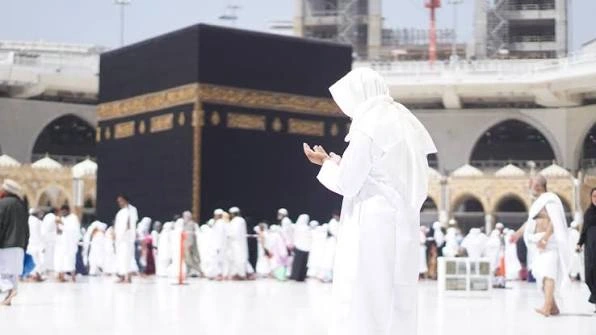
When people compare Ramadan umrah packages from UK, it is natural to focus on the obvious details: the hotel, the number of nights, the flight and the overall price.
Those details matter.
But a package can look excellent on paper while creating small practical difficulties throughout the journey. A transfer may require more organisation than expected. A room arrangement may not suit everyone. A long gap between travel stages may become tiring. Even the amount of free time between different arrangements can influence how manageable the pilgrimage feels.
This is why it can be useful to look beyond the headline features.
Instead of asking only what a package includes, ask how the individual arrangements will actually work together.
Look at the Gaps Between the Main Services
Travel packages are usually described through their major components.
There is a flight.
There is accommodation.
There may be transfers.
There may be arrangements for moving between Makkah and Madinah.
But the spaces between these components deserve attention too.
For example, a package might include an airport transfer, but what happens if your flight arrives later than expected?
A hotel may be included, but when exactly can you check in?
A transfer between cities may be arranged, but how much time should you allow around the journey?
These gaps are where uncertainty can sometimes appear.
When comparing Ramadan Umrah packages, try to understand the sequence rather than viewing each service separately.
Check How the First Day Actually Works
The first day of an international pilgrimage can involve more waiting and movement than people expect.
You leave the UK, travel through the airport, fly to Saudi Arabia, complete the arrival process and then continue towards your accommodation.
By the time you arrive, you may simply want to settle down.
This makes the first day's structure worth examining carefully.
If the itinerary immediately requires several additional arrangements, think about whether that suits you.
A simple arrival can be valuable because it gives you time to understand your surroundings and organise yourself before getting into the rhythm of the pilgrimage.
Don't Judge a Transfer by the Word "Included"
An included transfer sounds straightforward.
However, there are still questions worth asking.
Is the transfer private or shared?
Where does it collect you?
How much waiting might be involved?
Does it operate at the relevant arrival or departure time?
What happens if travel plans change?
You do not necessarily need the most expensive transfer arrangement.
You simply need to understand what has actually been arranged.
The same principle applies to other services in a package. Knowing that something is included is useful, but knowing how it will work is more useful.
Examine the Order of Makkah and Madinah
The order of your stay can change the character of the journey.
Some travellers may begin in Makkah and then travel to Madinah. Others may prefer the opposite arrangement.
Neither sequence is automatically right for everyone.
Think about what makes sense alongside your flights, transfer arrangements and overall plans.
Also consider how you are likely to feel at different points in the trip.
The beginning may involve the excitement and adjustment of arriving in Saudi Arabia. Towards the end, you may be more tired and thinking about the journey home.
Looking at the itinerary as a sequence rather than a list of destinations can help you understand whether it feels practical.
Pay Attention to Check-In and Check-Out Times
Hotel nights and actual usable time are not always identical.
For example, an overnight flight could mean arriving at a time that does not perfectly match standard hotel check-in.
Likewise, a late departure may leave you with several hours between checking out and travelling to the airport.
These details do not necessarily make a package unsuitable.
They simply need to be understood.
If you are travelling during Ramadan, consider how these periods may interact with fasting, rest and your plans for worship.
A little advance planning can make an awkward gap much easier to manage.
Consider What Happens on Transfer Days
Moving between Makkah and Madinah can become one of the more structured parts of the itinerary.
It involves packing, checking out, transportation, arrival and settling into another accommodation.
That means transfer days should not necessarily be treated like ordinary full days.
Avoid assuming that you will have the same amount of time and energy available on every day of the trip.
When comparing Umrah packages, look at where the transfer days fall and how much else is scheduled around them.
An itinerary can feel far more manageable when travel-heavy days are recognised for what they are.
Think About What You Will Carry
Packing decisions can also affect the practical side of the journey.
Moving between accommodation means handling luggage rather than simply leaving everything in one room.
This is particularly relevant when travelling with several bags or when members of the group have different physical abilities.
Try to keep the travel-day essentials accessible.
Documents, medication, chargers, important contact information and anything you may need during the journey should not be buried at the bottom of a suitcase.
Good organisation can make a surprisingly large difference when moving between destinations.
Don't Overlook the Return Transfer
The final transfer can be easy to forget when you are excited about booking the trip.
But the return journey deserves the same attention as the arrival.
Think about when you will leave the hotel, how you will reach the airport and whether the timing gives you enough margin.
By this point, you may have spent many days travelling, fasting and worshipping.
A complicated final morning may therefore feel much harder than it would at the beginning of the trip.
A good itinerary should make the end of the journey understandable and manageable rather than leaving important details unclear.
Look for Clear Information About Services
A useful package description should make it reasonably clear what you are receiving.
This includes accommodation, transport and other significant arrangements.
Saudi Arabia's Ministry of Hajj and Umrah currently provides a Guide to the Rights and Duties of the Guests of Allah, which is listed as valid and was updated in September 2026. The Ministry also says its awareness programme covers areas including accommodation, transportation, catering, service quality, compliance with contracted services and dispute-resolution channels.
For travellers, this reinforces an important principle: understand what has been agreed rather than relying entirely on assumptions.
Keep confirmations and important booking information somewhere accessible before departure.
Think About How You Will Spend Unscheduled Time
Not every useful part of a package needs to be formally scheduled.
In fact, unplanned periods can be valuable.
You may want time to rest, pray, read, spend time with family or simply adjust to the environment.
This is especially relevant during Ramadan, when your days and nights may naturally follow a different pattern from your normal routine in Britain.
A package with a completely packed itinerary may look impressive, but a little breathing room can sometimes be more useful.
When comparing Ramadan umrah packages, ask yourself whether there is enough space to make the pilgrimage your own.
Compare the Workload, Not Just the Price
Two packages can have similar prices while creating very different amounts of practical work.
One might require several connections, multiple transfers and frequent changes of accommodation.
Another might provide a simpler sequence with fewer moving parts.
The difference is not necessarily about which one is objectively better.
It is about how much organisation you want to handle during the trip.
This is an important way to think about value.
A package may be worth considering because it reduces complexity, even if another option appears cheaper at first glance.
Consider Your Own Starting Point in Britain
The journey does not begin when you reach Saudi Arabia.
If you live outside London, Birmingham or another major airport city, you may have a substantial journey before your international flight.
That can affect which departure option makes sense.
Consider your travel to the airport, parking or rail arrangements, the departure time and the amount of luggage involved.
This is particularly relevant when comparing umrah packages 2026, because the most suitable package depends not only on its Saudi arrangements but also on how realistically it fits your journey from home.
Keep Important Information Together
A practical final step is to create one easily accessible collection of your essential travel information.
This could include:
- Flight details
- Hotel confirmations
- Transfer information
- Passport information
- Important contact numbers
- Relevant travel documents
- Any booking terms you may need to refer to
You do not need an elaborate system.
The purpose is simply to avoid searching through emails or messages when you need an important detail quickly.
If several people are travelling together, it can also be useful for more than one adult to know where the information is kept.
The Best Package Is Often the Easiest One to Understand
A package does not have to contain an extraordinary number of features to be useful.
Sometimes the greatest advantage is simply that the arrangements make sense.
You understand when you are flying.
You know where you are staying.
You understand how the transfers work.
You know when you are moving between cities.
You have enough information to prepare for the gaps between those stages.
That clarity can reduce unnecessary stress before and during the journey.
Look at the Whole Chain Before You Book
When comparing Ramadan umrah packages from UK, try to picture the entire trip as one connected chain.
Start at home.
Think about reaching the airport.
Then the flight.
Then arrival.
Then the transfer.
Then the hotel.
Then the movement between Makkah and Madinah.
Finally, think about the return journey to Britain.
At each stage, ask a simple question:
“Do I understand how this part is supposed to work?”
If the answer is yes, you are in a much stronger position to compare packages fairly.
If several important stages remain unclear, that is a reason to investigate further before making a decision.
Practical Clarity Can Be Part of a Good Pilgrimage
Choosing a Ramadan Umrah package is not simply a matter of finding the longest itinerary or the most impressive hotel.
The practical structure matters too.
A well-understood journey can make it easier to prepare, easier to adapt and easier to concentrate on the purpose of travelling.
For anyone researching Ramadan umrah packages from UK, the most useful comparison may therefore be the one that goes beyond the headline inclusions.
Look at the gaps.
Look at the transfers.
Look at the sequence.
Look at the timing.
Look at the workload involved.
And most importantly, look at whether the entire journey makes sense from the moment you leave home until the moment you return.
That kind of practical clarity may not be the most glamorous feature of an Umrah package, but it can be one of the most valuable.