Rainwater Tanks Singleton: 7 Things Homeowners Should Check Before Choosing a Tank
By Jane Rochstad 16-09-2026 1
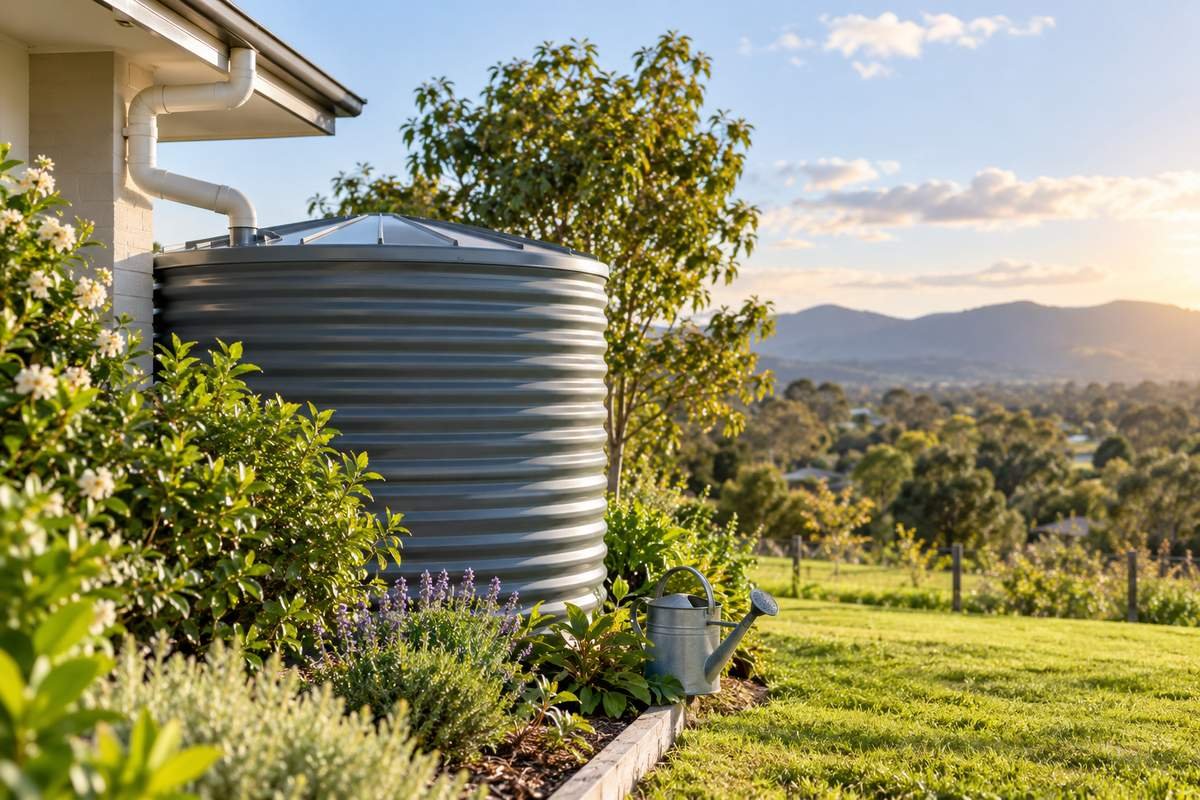
Choosing a rainwater tank sounds straightforward until you start comparing capacities, shapes, materials and installation requirements. What initially looks like a simple purchase can quickly involve questions about roof catchment, available yard space, pumps, filtration and how the stored water will actually be used.
For homeowners researching rainwater tanks, the right choice depends less on finding the biggest tank available and more on matching the system to the property. A suburban household wanting extra water for the garden may have very different requirements from an acreage property using stored rainwater for irrigation, livestock or emergency reserves.
Taking some time to assess these factors before buying may help you avoid ending up with a tank that is too small, unnecessarily large or difficult to position. Here are seven practical considerations worth checking before making a decision.
1. Start With How You Plan to Use the Water
Before looking at tank sizes or materials, decide what you actually want to achieve with the collected rainwater.
Some households primarily want rainwater for gardens, lawns and outdoor cleaning. Others may want to connect the tank to suitable household fixtures, while larger rural properties could have much greater demand for irrigation, livestock or property maintenance.
Understanding the intended use gives you a much better starting point for estimating storage requirements.
Garden and outdoor use
If the main purpose is watering plants, washing outdoor areas or maintaining a vegetable garden, your water demand may be relatively seasonal. Larger gardens and lawns naturally increase the amount of stored water that may be useful during dry periods.
Water-conscious landscaping may also help homeowners make better use of the rainwater they collect. For further inspiration around plants and outdoor environments, The Consumers Feedback has explored how gardens connect people with nature and local environments.
Household uses
Rainwater may also be used for certain household purposes, depending on how the system is designed and local requirements. Toilets and laundry are common examples.
If collected rainwater is intended for drinking, cooking or other potable uses, additional considerations around water quality, filtration, treatment and plumbing requirements become important. These should be investigated before designing the system rather than added as an afterthought.
Rural and acreage properties
For larger Singleton properties, water demand may extend well beyond household use. Irrigation, animals, sheds, machinery cleaning and general property maintenance can all increase the amount of storage required.
The more purposes the tank is expected to serve, the more important realistic capacity planning becomes.
2. Work Out How Much Storage You Actually Need
One of the easiest mistakes when comparing rainwater tanks is choosing capacity based only on price or available tank sizes.
A larger tank is not automatically better, and a smaller tank is not necessarily more economical over the long term. The useful capacity depends on how much water you expect to collect and how quickly you expect to use it.
Start by considering three things: your roof catchment area, typical water usage and the amount of space available for the tank.
A large roof has the potential to collect considerable water during rainfall, but that does not necessarily mean every property needs a very large tank. If the stored water is only being used occasionally for a small garden, a more modest capacity could be sufficient.
On the other hand, a household or rural property with consistent water demand may benefit from having greater storage available between periods of rain.
It is useful to think about storage as part of an ongoing cycle. Rain falls, the tank fills, water is used, and storage becomes available for the next rainfall event. The goal is to find a capacity that works sensibly with that cycle rather than simply choosing the largest tank that fits the budget.
3. Check the Space Before Choosing the Tank
Tank capacity is only one part of the equation. You also need somewhere practical to put it.
Before purchasing a tank, measure the proposed installation area carefully. Consider width, height and access around the tank, along with nearby fences, walls, sheds, trees, driveways and other structures.
You should also think about how the tank will interact with the rest of your outdoor area. A poorly positioned tank might technically fit but could make a side passage difficult to use or occupy valuable garden space.
Planning outdoor areas as a complete system often produces better results than deciding where individual features should go one at a time. The Consumers Feedback has a useful discussion about planning a more functional outdoor living space, which reflects the same principle of thinking about how different parts of a yard work together.
Round tanks
Traditional round tanks may be well suited to properties where there is adequate open space. They are commonly available in a broad range of capacities and can work particularly well on larger blocks.
Slimline tanks
For narrower spaces, slimline tanks may be worth considering. These are designed with a narrower profile and may fit alongside houses, garages, fences or sheds where a conventional round tank would occupy too much space.
If you are comparing layouts, capacities and local options, you may find it useful to Explore our rainwater tanks singleton as one reference when assessing which format could suit your available space and intended water use.
The important point is to choose the tank after assessing the installation area, rather than trying to make the property accommodate a tank selected purely from a catalogue.
4. Compare Tank Materials Carefully
Rainwater tanks are manufactured from several different materials, and each comes with its own practical considerations.
Steel, polyethylene, concrete and other tank types may differ in weight, installation requirements, appearance, durability and cost.
Rather than assuming one material is universally suitable, consider the conditions of your property and what matters most to you.
Steel tanks
Steel tanks are commonly selected where durability and long-term outdoor exposure are important considerations. They are available in different capacities and profiles, including both traditional round and more space-conscious configurations.
Fire resistance may also be an important consideration for property owners who are incorporating water storage into broader bushfire planning.
However, a rainwater tank should never be treated as a complete bushfire protection strategy on its own. Water access, pumps, fittings, property preparation and local fire requirements may all influence how useful a stored water supply is during an emergency.
Poly tanks
Polyethylene tanks are lightweight and widely available. They come in numerous shapes, colours and capacities, which may make them suitable for properties with particular space or design requirements.
As with any outdoor product, homeowners should consider the quality of the material, expected exposure to sunlight and manufacturer specifications when comparing options.
Concrete tanks
Concrete tanks may provide substantial storage and are sometimes incorporated into larger residential or rural developments. Their weight and installation requirements mean they generally require more planning than lightweight alternatives.
The best material ultimately depends on the site, budget, intended use and expectations around long-term ownership.
5. Consider Local Property Conditions
Buying a tank is not only about the tank itself. The characteristics of the property have a significant influence on how well the system works.
Singleton includes everything from suburban homes to substantial rural and agricultural properties, so a single approach is unlikely to suit everyone.
A smaller residential block might prioritise space efficiency and garden use. An acreage property may place greater importance on storage capacity and irrigation. Other properties may be looking at rainwater storage as one part of improving their resilience during periods of high water demand.
Bushfire preparedness may also be relevant for some households and rural landowners. If water storage forms part of an emergency plan, it is important to investigate the specific requirements that apply to the property and make sure the entire system, including pumps, hoses and access points, is appropriate.
Thinking about the broader purpose of the system helps prevent the tank from becoming an isolated feature that does not properly support the way the property is used.
6. Remember That the Tank Is Only Part of the System
When comparing rainwater tanks, it is easy to focus almost entirely on the storage vessel. In practice, an effective rainwater harvesting system involves several other components.
Rain first needs to reach the tank through suitable roof catchment, gutters and downpipes. Screens may help prevent leaves and larger debris from entering the system. First-flush devices may be incorporated to divert initial roof runoff, while overflow arrangements need to direct excess water appropriately when the tank reaches capacity.
A pump may also be required if stored water needs to be delivered to garden taps, irrigation systems or household fixtures.
Filtration requirements depend heavily on the intended use of the water. A system supplying a garden has very different requirements from one intended to provide water for household consumption.
This is why comparing tank prices alone may give an incomplete picture of the overall project cost.
Before purchasing, consider what additional components may be required and whether the proposed installation location makes connecting them practical.
7. Think About Maintenance Before Installation
Rainwater systems benefit from ongoing attention.
The exact maintenance requirements depend on the design of the system and how the water is used, but homeowners should generally expect to inspect gutters, screens, inlets, outlets and other components periodically.
Leaves and organic debris collecting in gutters may eventually affect the quality of water entering the tank. Screens may become blocked, fittings may need inspection, and pumps or filtration equipment may have their own servicing requirements.
Positioning the tank and its components somewhere accessible may make this ongoing maintenance considerably easier.
This is another reason to think beyond the initial installation. A system that looks neat on day one but leaves important components difficult to reach may become frustrating over time.
A Simple Rainwater Tank Buying Checklist
Before settling on a particular system, ask:
- What will I use the collected water for?
- How much water am I realistically likely to use?
- How much roof catchment is available?
- How much physical space do I have for the tank?
- Would a round or slimline tank suit the property better?
- Which tank material suits the location and intended use?
- Will I need a pump, filtration or additional accessories?
- Does emergency or bushfire water storage need to be considered?
- How easy will the system be to inspect and maintain?
- What does the complete installation cost, rather than just the tank itself?
Making an Informed Choice
Choosing between rainwater tanks does not need to come down to finding the biggest tank or the lowest advertised price.
The most suitable system is usually the one that matches the property, intended water use and available space while remaining practical to maintain over the long term.
Start with how the water will be used. Then consider realistic capacity, roof catchment, installation space and tank material. From there, look at the supporting components required to turn the tank into a functional rainwater harvesting system.
Taking these steps before purchasing may help homeowners avoid common problems such as inadequate capacity, inconvenient positioning or paying for features they do not really need.
A well-planned system should feel like a practical part of the property rather than an object that has simply been placed wherever there was room.
Tags : Rainwater Tanks Singleton