Counterfeit products are everywhere. From electronics and clothes to medicines and cosmetics, fakes can damage your brand and cost you money. That’s why companies use security features like holograms to protect products and prove they’re genuine.
In this guide, we’ll explore two types of product protection: the traditional hologram and the product QR code hologram. We’ll explain how they work, how they’re different, and which one might be better for your brand.
- What Is a Traditional Hologram?
Simple Visual Protection
A traditional hologram is a shiny sticker. It’s often silver or rainbow-coloured and shows different shapes or text when tilted. You’ve probably seen these on bank cards, mobile accessories, or product boxes. They’re hard to copy with normal printers, which helps stop fake products.
Not Interactive
Traditional holograms don’t do much beyond the visual layer. You can’t scan them. They don’t link to anything. They’re made to show signs of tampering and to add a visual proof of quality.
These are often used in industries where fast visual checks are needed. But they don’t offer deeper tracking or digital data.
What Is a QR Code Hologram?
Double Layer of Protection
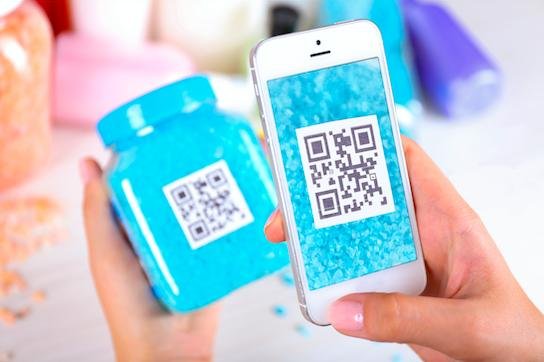
A QR code hologram adds digital power to the visual layer. It still has the shiny holographic surface, but now it includes a QR code. When scanned, this QR code takes users to a secure platform. It’s a way to check if the product is real or fake in just seconds.
Uses a Product QR Code System
This system stores all the product information. When a buyer or seller scans the QR code, they can see real details—like batch number, expiry date, or even where the item was made.
It’s secure, trackable, and much harder to fake. The product QR code can also show errors if someone tries to scan a copied or fake label.
Key Differences
Let’s look at how these two compare:
Why Traditional Holograms Work
Quick Visual Check
They’re easy to spot. A simple tilt of the label shows different colours and images. This helps shop staff or customs officers do a quick check without any tools.
Low Cost
Printing these labels is cheap. There’s no need for systems or platforms. It’s a one-time cost for the label, and then it’s done.
Tamper Evidence
If someone tries to peel off the hologram, it gets damaged. This shows the package may have been opened or changed. That adds a layer of safety.
Where They Fall Short
Easy to Copy
Some fake makers can now print lookalike holograms. They may not be perfect, but they often fool buyers or even retailers.
No Digital Features
A traditional hologram doesn’t link to anything. You can’t track the product. You can’t send updates to the customer. It’s a static label that can’t change.
Why QR Code Holograms Are Better
Secure and Smart
The product QR code on the label is linked to a digital system. It holds real product data. That means each label is unique. When scanned, it gives live info, such as when and where the product was made.
This makes it very hard for fake items to pass as real.
Build Customer Trust
When customers scan the QR code, they see proof that they’ve bought the real thing. They might also see care tips, how-to guides, or welcome messages from your brand.
This makes them feel more connected and confident in their purchase.
Full Supply Chain Visibility
A QR code system can track the product from factory to shelf. You’ll know where your products go, who scanned them, and when. This helps spot grey market goods or stolen items.
Custom Branding and Messages
The QR code can show more than just product details. Brands can share videos, discount codes, warranty registration forms, or customer service links. It’s a full marketing tool built into the product label.
Where QR Code Holograms Work Best
Fashion and Luxury Goods
High-end brands use these labels to stop copies. They also allow owners to resell items with a verified product QR code—like a digital certificate of proof.
Electronics
Many tech brands use QR code holograms for safety. Buyers can scan the label before opening the box to make sure it’s not a fake. This helps stop returns, complaints, and brand damage.
Medicines
A QR code hologram on a pill bottle or box can show batch numbers, expiry dates, and safety warnings. This gives full trust to buyers and also helps during recalls.
The Value Behind QR Code Holograms
More Than a Label
It’s not just a sticker. It’s a full tool for product safety, tracking, and marketing. While setup may cost more, it brings more return.
The QR code system can help with:
- Stock management
- Customer service
- Returns and recalls
- Real-time updates
Long-Term Savings
Fewer fake products means fewer losses. Brands also save time and money by managing product journeys with less manual effort.
Things to Think About Before Choosing
Cost and Setup
Traditional holograms are cheaper. There’s no system needed. Just print, stick, and go.
QR code holograms need more at the start. You’ll need a platform to host your product data and manage the product QR code system. But you gain better safety, control, and customer loyalty.
Target Audience
Think about who’s buying your product. Will they scan a QR code? Most people have smartphones and know how QR codes work now. If your buyers are tech-savvy, the QR option makes sense.
Type of Product
For low-cost items or fast-moving goods, traditional holograms may be enough. For high-value products, medicines, or luxury goods, go for the QR option. The added trust is worth it.
The Future of Product Safety
Product security is going digital. Basic stickers are no longer enough to fight smart counterfeiters. Brands need stronger tools. A product QR code brings in digital power without changing how labels look too much.
As customers become more aware of fake products, they’ll want to check what they’re buying. Brands that make that easy will stand out.
QR code holograms are the next step in this journey.
Final Thoughts
Traditional Hologram label still have a place. They’re simple, low-cost, and give quick protection. But in a world full of fake products and smart buyers, they’re not enough on their own.
QR code holograms bring together the best of both worlds. The visual layer adds safety, and the digital QR code adds power. You get product protection, customer trust, and real-time tracking—all from one label.
If your brand is ready to protect, connect, and grow, it’s time to switch to QR code holograms. Your product deserves more than just a shiny sticker—it deserves full protection.
FAQs
1. Can a QR code hologram be copied?
No, it’s very hard to copy. Each product QR code is unique and linked to a secure system. If someone tries to copy it, the scan will show an error or warning.
2. Do I need the internet to scan a QR code hologram?
Yes, you’ll need internet on your phone to open the page linked to the QR code. It’s quick and works on most smartphones.
3. Is a traditional hologram still useful?
Yes, it’s useful for basic product checks and tamper signs. But it doesn’t offer digital tracking or real-time data like a QR code hologram.