Premium Quality Paddy Rice: Driving Growth in the Global Rice Market
By Aron Baijnauth 05-09-2025 116
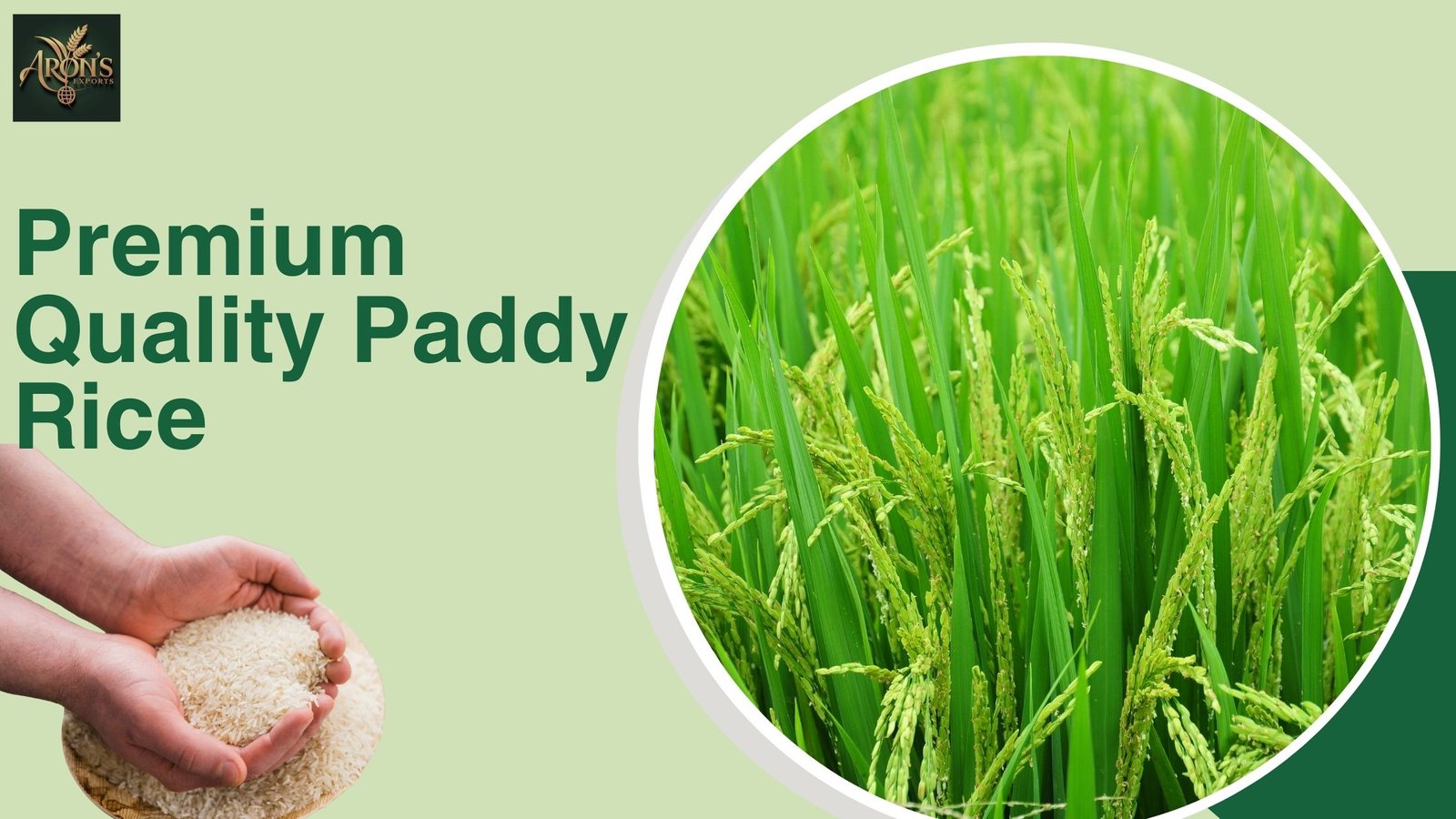
Rice is one of the world’s most essential food crops, feeding billions of people across continents every single day. Among its various forms, premium quality paddy rice holds a special place in the global market. It represents not just a staple food but also a valuable agricultural commodity that drives international trade, rural livelihoods, and food security. With increasing demand for healthier, tastier, and more sustainable food options, the cultivation and export of premium rice varieties are playing a key role in shaping agricultural economies.
The Importance of Premium Quality Paddy Rice
The distinction between regular rice and premium quality paddy rice lies in its cultivation, texture, flavor, and nutritional profile. Premium varieties are carefully cultivated to ensure consistent grain size, excellent aroma, and a rich taste that appeals to both domestic consumers and international buyers.
From fine long-grain rice preferred in Middle Eastern and North American cuisines to shorter-grain varieties enjoyed in Asian dishes, premium rice is at the heart of countless recipes worldwide. Its superior quality makes it the first choice for wholesalers, retailers, and restaurants that prioritize taste and consistency for their customers.
Moreover, premium paddy rice is often cultivated with careful attention to soil fertility, irrigation, and post-harvest handling. This ensures not only higher quality but also better shelf life and enhanced milling yields—factors that are crucial for the global supply chain.
High Yield Paddy Rice: Meeting Global Food Demand
As the global population continues to rise, farmers and suppliers face the challenge of producing more rice without compromising on quality. This is where high yield paddy rice plays an essential role. These varieties are cultivated using advanced farming methods, hybrid seeds, and modern agricultural practices that enable farmers to achieve greater productivity per hectare.
High yield paddy rice is a solution to the growing demand for food security. With the world’s population expected to reach nearly 10 billion by 2050, agricultural efficiency is not just a choice—it is a necessity. Farmers who adopt high-yield practices can produce more rice with fewer resources, ensuring affordability and accessibility for millions of people.
In addition, high-yield varieties can be adapted to different climates and soil conditions, making them an excellent choice for countries that rely heavily on rice as their primary food source. The balance between premium quality paddy rice and high-yielding varieties ensures that markets are supplied with rice that is both abundant and superior in quality.
The Role of Paddy Rice in the Global Market
Rice is traded across international markets in vast quantities, with Asia leading as the dominant producer and exporter. Nations like India, Thailand, Vietnam, and Guyana are major players in ensuring that global rice demands are met. For importing nations in Africa, Europe, and the Americas, paddy rice imports are critical to balancing food security.
Premium quality paddy rice contributes significantly to global trade revenues because buyers are willing to pay higher prices for better taste, purity, and quality assurance. At the same time, exporters who focus on high yield paddy rice ensure there is no shortage in supply, making rice one of the most dependable commodities in the world.
Sustainability and Innovation in Paddy Rice Cultivation
The future of the rice industry is closely tied to sustainable farming practices. Excessive water use, soil degradation, and climate change pose challenges to traditional rice farming methods. However, innovative techniques such as System of Rice Intensification (SRI), precision farming, and integrated pest management are helping farmers grow high yield paddy rice while protecting the environment.
Exporters and suppliers who focus on premium quality paddy rice are also investing in eco-friendly packaging, organic farming methods, and improved logistics to reduce the carbon footprint associated with global rice trade. By prioritizing sustainability, the rice industry not only secures long-term profitability but also ensures the protection of vital natural resources.
Why Premium Rice Holds a Competitive Advantage
In the global marketplace, premium products always stand apart. Consumers are becoming increasingly conscious of what they eat, and rice is no exception. Buyers look for rice that is free from impurities, uniform in texture, and rich in aroma. Wholesalers and retailers that supply premium quality paddy rice enjoy a strong competitive edge because they meet these expectations consistently.
Additionally, the demand for specialized rice varieties—such as basmati, jasmine, or organically grown premium rice—is steadily increasing. This provides exporters with opportunities to cater to niche markets where consumers are willing to pay higher prices for better quality.
The Contribution of Suppliers Like Aron Baijnauth
Companies like Aron Baijnauth play a vital role in ensuring that international markets receive consistent supplies of premium quality paddy rice. By focusing on quality assurance, sustainable sourcing, and efficient export practices, such suppliers strengthen the global rice supply chain.
Through partnerships with local farmers and international buyers, exporters bridge the gap between production and consumption. By investing in high yield paddy rice cultivation, companies ensure that the world’s growing demand for rice is met without sacrificing the quality standards that consumers expect.
The Future of Paddy Rice in Global Trade
The global rice market is expected to grow steadily as demand continues to rise in both developing and developed economies. Premium rice varieties will remain highly sought after because of their superior qualities, while high-yield varieties will address the sheer scale of global food requirements.
Exporters who balance these two aspects—quality and yield—will remain at the forefront of the industry. With the right mix of innovation, sustainability, and global cooperation, the rice trade will continue to thrive, providing nourishment and economic growth worldwide.
Conclusion
The story of rice is not just about food—it is about culture, commerce, and sustainability. Premium quality paddy rice represents excellence in taste and nutrition, while high yield paddy rice ensures that global food demand is met. Together, they form the foundation of a resilient agricultural sector that supports billions of lives across the globe.
With the dedication of exporters such as Aron Baijnauth, the future of rice in the global market looks promising. By delivering premium quality and high-yield solutions, the industry is well-positioned to drive growth, ensure food security, and maintain its place as one of the most vital commodities in the world.