Introduction
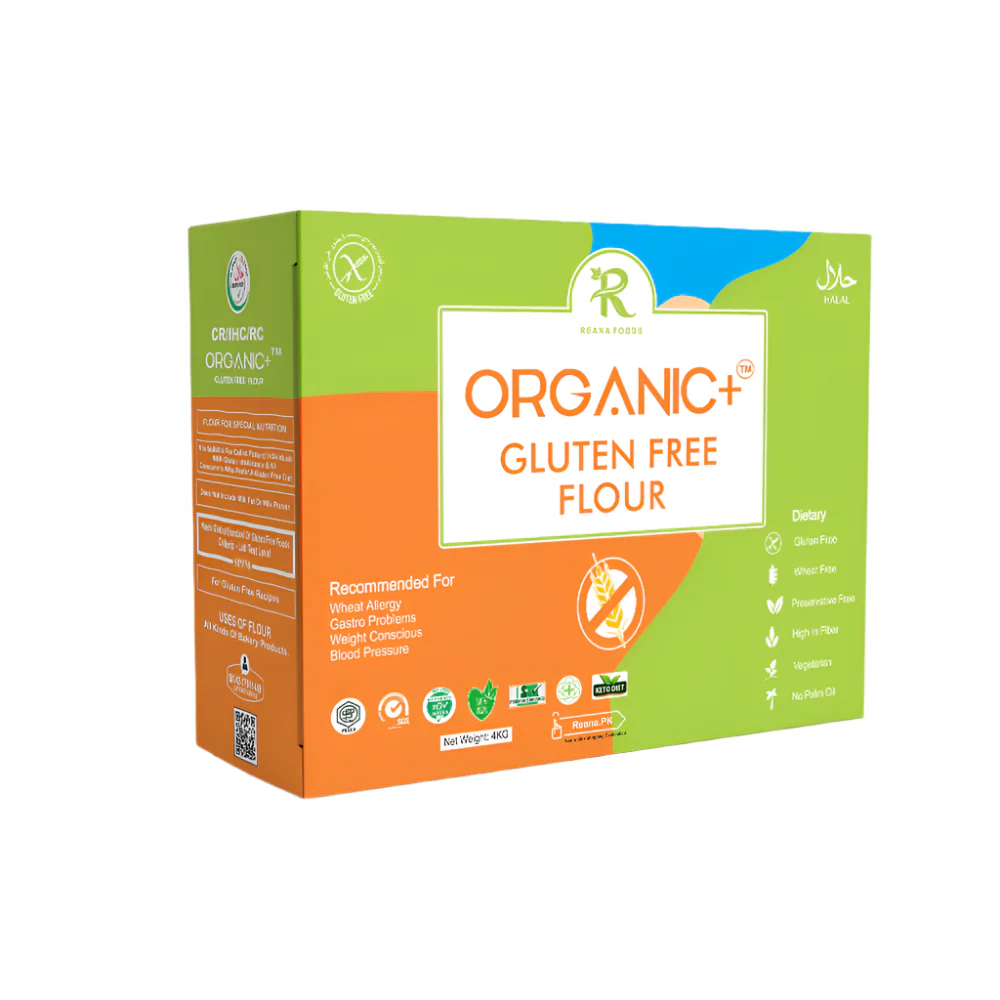
In recent years, more people have become aware of the effects gluten can have on health, especially for individuals with celiac disease or gluten sensitivity. As a result, the demand for alternatives to traditional wheat flour has grown. One such alternative gaining popularity is premium gluten free flour. Known for its high quality and versatility, it allows home bakers and professionals alike to create delicious, nutritious recipes without compromising on texture or taste.
What Makes Gluten Free Flour “Premium”?
Not all gluten free flours are created equal. Basic gluten free flours can sometimes result in dry or crumbly baked goods, especially when used as a one-to-one substitute for wheat flour. Premium gluten free flour, on the other hand, is carefully formulated using a blend of gluten-free grains, starches, and binding agents to provide a baking experience that closely mimics that of wheat-based flours.
These blends may include ingredients like:
Brown rice flour for mild flavor
Almond flour for added protein and moisture
Tapioca starch or potato starch for improved texture
Xanthan gum or psyllium husk for better structure and elasticity
This combination helps create a product that is more reliable in recipes, delivering consistent results whether you're baking bread, cakes, or cookies.
Health Benefits of Premium Gluten Free Flour
Choosing premium gluten free flour isn’t just about avoiding gluten—it's also about making healthier food choices. Many premium blends are:
Rich in fiber, which aids in digestion
Lower in refined carbs compared to traditional white flour
Packed with nutrients like protein, iron, and healthy fats depending on the blend
For people looking to maintain a balanced diet or manage weight, switching to a quality gluten free flour can be a smart move. It supports better blood sugar control and may reduce inflammation in some individuals.
Baking with Premium Gluten Free Flour
Baking with gluten free flour requires a slightly different approach, but with the right flour, success is much easier to achieve. Premium gluten free blends are specially designed to work well in a wide variety of baked goods, such as:
Muffins and cupcakes
Pancakes and waffles
Artisan and sandwich breads
Pizza crusts
Pastries and cookies
The key to successful gluten free baking is choosing the right blend for your specific recipe. Premium blends often offer guidance on packaging about the best uses, making it easier for bakers to get great results.
FAQs About Premium Gluten Free Flour
1. What is premium gluten free flour made of?
Premium gluten free flour is typically made from a carefully balanced blend of gluten-free grains and starches, such as rice flour, almond flour, sorghum, tapioca starch, and sometimes binding agents like xanthan gum or psyllium husk. These ingredients are chosen to closely mimic the texture and performance of traditional wheat flour.
2. Can I use premium gluten free flour as a direct substitute for wheat flour?
In many cases, yes—but it depends on the recipe. Premium gluten free flour blends are often designed to be a 1:1 substitute for all-purpose flour, especially in baking. However, results can vary based on the type of baked good and the specific blend, so it's always a good idea to follow the brand’s recommendations.
3. Is premium gluten free flour healthier than regular flour?
Premium gluten free flour can be a healthier option, especially for individuals with gluten intolerance or celiac disease. Many blends offer added nutritional benefits, such as higher fiber content, more protein, and fewer refined carbohydrates compared to standard white flour.
4. Does premium gluten free flour affect the taste of baked goods?
When properly blended, premium gluten free flour has a mild flavor that doesn’t overpower your recipes. High-quality blends are designed to provide neutral or pleasant tastes, ensuring your baked goods are enjoyable and close in flavor to those made with traditional flour.
5. How should premium gluten free flour be stored?
To maintain freshness, it’s best to store gluten free flour in an airtight container in a cool, dry place. For longer shelf life, especially for blends containing nut flours like almond flour, refrigeration or freezing is recommended.
Conclusion
Switching to premium gluten free flour can elevate both the health value and the quality of your baked goods. Whether you're baking for dietary reasons or simply exploring healthier ingredients, a premium flour blend offers a reliable and satisfying experience. Brands like Reana are making it easier than ever to enjoy gluten free baking without sacrificing taste or texture. With the right ingredients, healthy baking is not just possible—it's delicious.
Tags : Premium Gluten Free Flour