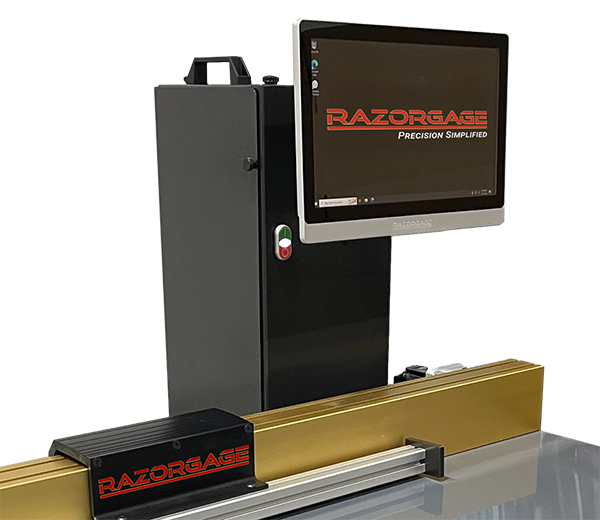
For impeccable craftsmanship, it is imperative to work accurately. Thus, workshops now mostly rely upon highly technological special instruments for this quality. The available
For impeccable craftsmanship, it is imperative to work accurately. Thus, workshops now mostly rely upon highly technological special instruments for this quality. The available Digital miter saw measuring system are the solutions for many neonates and oldsters of the craft who are determined to measure, cut, and bring materials together with perfection not expressed easily in precise terms. Additionally, many users' largest working capital lies in the impossibility of human error; therefore, the digital work kickstarts reliability with efficiency, thus making any dovetailing project an intact symphony of the best product, the future tramp of the nineteenth century. So far with the aid of technology-so for the past, even greater speeds for the tech woodworking industry with almost unbelievable advances by leaps and sadly limits.
Understanding the Digital Measurement for Woodworking
The digital system for measurement is itself a complete change in the approach to workmanship. There is no more subjective judgment involved in manually registering measurements. Digital tools really allow the woodworker to rely on what they see on their display to make a fast and correct decision. The elderly woodworker had to always wipe sawdust out of the ruler because of a lot of measuring-"What a waste of time!" But now, what they now put on display, out of the saw carriage, in the miter saw, can be used to accurately measure the material in either two or one setup.
Miter Saw Precision Growth
Miter saws have always been at work to help clean angles and important cuts. In the olden days, a craftsman would measure an angle by the ability of his trained eye that would produce an angle not accurate enough for a perfect join. Mostly, production would not flow in an efficient manner after measuring. However, digital measuring systems have efficiently changed the entire thing for the positive. substituted inside the miter saw. This scales down two times or only at one setup. Then the saw head can make the exact cut to a given dimension twice or once. Digital work measures anything to enable exploiting the juncture between saw and work.
Increasing Efficiency of Workflow
Efficiency has been greatly improved by the use of digital systems. Thanks to these systems, some of the most complex forms might be obtained through multiple measurements and a number of tough adjustments. Intuitive displays, which can give the perfect angle right on the spot, fasten the sequence of operation. Workshop completion becomes faster, allowing the craftsmen to utilise their creative output on fine woodwork without any stress associated with measurement. Hence, this brings about some pleasurable experiences and highly consistent professional finishes.
Reducing Human Error
What has always been developed through experience in woodworking is how to live with risk generated by inconsistencies. Very minute differences can cause observable differences in look and integrity of the final-joint product. A Digital miter saw measuring system takes away from this uncertainty by systemizing measurements. When used with an understood necessity, precision technology allows faultless angular measurement. Such transportation of fault lines prevents costly mistakes across a large project, promoting accurate fitting of each part in its location.
Elevating Project Quality
When delineated, project quality implies the fine precision found in any given component. Clean cuts, an even array of angles, and smooth fitting seem indispensable for the creation of lasting and aesthetically pleasing projects. Digital systems let woodworkers conclude their projects comfortably to this high degree of completion. Elimination of overlaps increases the level of perceived finish for cabinetry, flooring, trim work, and pieces of custom furniture.
Adapting to Modern Workshop Needs
Modern workshops are anticipated to be streamlined for efficiency, accuracy, and a harmony of technological accomplishments. Tools for digital measurements are an opposite sport of big-heartedness. These tools are ideal in homemade, residential projects striving for perfection and are equally desirable in the large industry for its advantages. These cutting-edge measuring tools observe the flexibility to be used alongside a multiplicity of saws, a variable number of work stations, and pertaining jigs, or even shimmed within one compact woodworking kit. This nearly universal acceptability, therefore, proves the integration of digital measurement technology into woodwork is becoming inevitable.
Backing Skill Development
Digital tools will aid any beginner to make his or her very first woodworking project feel proud of accomplishments. They allow endless support for their developing confidence in these learners. Therefore, his attentiveness to these tools will both boost confidence and credit him with improvement. The skills that trainee craftspeople acquire with these tools direct towards their having a deeper-rooted appreciation for precision and handcraft. They indeed bridge the gap created by skill levels and are essential in maintaining a uniform quality standard.
Meeting Professional Demands
Professional work, which often implies larger projects and can even consist of complex small runs of ephemera, will always depend on one thing: that accuracy is consistent. Most often, tradesmen whipping up all sorts of things that include very technical operation lie in destructibility: expensive error. Projects vary from a single person writing his name on wood to a banana-shaped hull of an outrigger sailboat. Product impact begins and ends with getting the angles correct; i.e., in a twenty-four-inch lathe-and-measure forty-seven-inch-resaw for a twenty-inch blade .-professionally unexpected of a miter saw. The reference of markings for this special unit works solely on the very-fast-moving motorized part that disappears as the unit tips up to 45 degrees on either side to cut a piece.
Conclusion
Digital innovations have reshaped modern woodworking by enhancing precision, improving workflow, and reducing costly mistakes. The adoption of advanced measurement tools allows craftsmen to produce work that meets today’s high standards of accuracy and consistency. As digital technology continues to advance, woodworking will only become more refined and efficient. Tools such as the RazorGage AngleMaster highlight how modern measuring solutions can elevate craftsmanship, supporting both creativity and practical performance in every project.
FAQs
Q1: Why are digital measuring systems becoming popular in woodworking?
They provide greater accuracy, reduce human error, and improve efficiency, making them valuable for both professionals and hobbyists.
Q2: Do digital measuring systems work with all types of miter saws?
Many digital systems are designed to be compatible with a wide range of miter saw models, making integration easy in most workshops.
Q3: Can digital measurement tools help beginners?
Yes, they help beginners achieve precise cuts and improve their skills without the frustration of repetitive manual measurements.
Q4: Are digital tools worth the investment?
Digital systems can save time, reduce material waste, and enhance project quality, making them a worthwhile investment for serious woodworkers.
Q5: Do digital systems require a lot of maintenance?
Most systems require minimal maintenance, usually limited to calibration checks and keeping components clean for accurate readings.