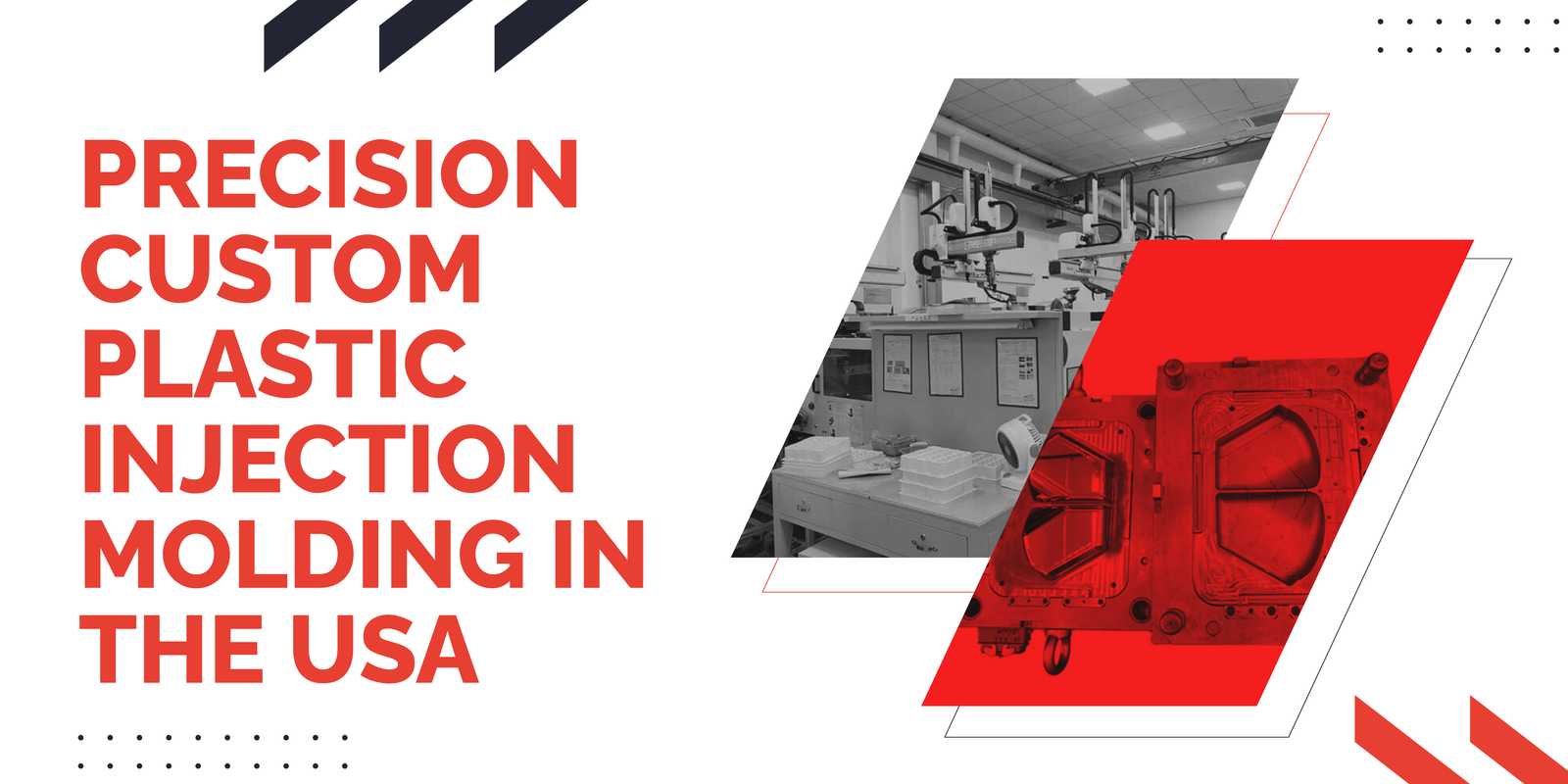
The production depends on precise, repeatable processes that deliver consistent results. The custom plastic injection molding process transforms simple plastic resins into complex components for countless industries. Medical devices, automotive parts, consumer electronics, and aerospace components all rely on this technology. The process combines engineering skill, material science, and computer-controlled precision into one operation.
The custom plastic injection molding manufacturers blend advanced equipment with experienced staff for optimal results. The molding facilities offer particular advantages in speed, quality, and protection.
What Is Precision Plastic Injection Molding?
The custom plastic injection molding creates exact parts with detail and consistency. The method involves injecting molten plastic into carefully designed metal molds under high pressure. This process ensures perfect parts that meet the strict requirements in the medical, automotive, and aerospace sectors.
It begins with small plastic particles, which are melted to a liquid state. This melted material is then subjected to high pressure in the advanced machines into special molds. These molds will be made out of hardened steel or aluminium with the negative space of the end product. After that, they cool the parts rapidly, followed by the machine ejecting the finished part.
The modern custom plastic injection molding systems can achieve tolerances as tight as ±0.001 inches consistently. Many companies regularly produce complex shapes with thin walls, sometimes reaching just 0.5mm thickness.
The engineers use sophisticated software to decide the details before any metal gets cut. They also make sure to smooth the process with cooling channels, ejector pins, and gate locations. The best custom plastic mold manufacturers in Canada have close control of temperature, pressure and timing in production runs
- Multi-cavity molds allow the production of numerous identical parts at the same time.
- The quality is guaranteed by computer-controlled processing
- The strength, flexibility, and appearance are influenced by the choice
- Final products depend on the texture of their surfaces being molded
- Advanced cooling systems save time significantly
Common Materials Used in Precision Molding
Quality material choice is the key to the performance of the plastic parts. This material selection depends on factors like temperature exposure, chemical contact, and mechanical stress levels. The manufacturing facilities of the plastic molding parts manufacturer have dozens of materials that would fit the needs of various clients.
Engineering Thermoplastics
ABS offers impact resistance and stays cost-effective for many applications. This versatile material works well for consumer products, automotive parts, and electronic housings. The parts made from ABS maintain dimensional stability and good surface appearance after molding.
Polycarbonate is the best for optical clarity combined with impressive strength. This material resists high temperatures without warping or melting easily. Medical devices, safety equipment, and lighting components often use polycarbonate for its property.
High-Performance Resins
Nylon (PA) provides exceptional wear resistance with naturally low friction properties. Machine parts that move against other components benefit from nylon's toughness. The material absorbs little moisture and maintains strength in challenging environments.
PEEK is the best for exceptional heat and chemical resistance. This polymer is highly developed to resist constant exposure to 480°F. PEEK is required in the aerospace, semiconductor, and oil industries.
Specialty Materials
Acetal (POM) provides excellent stiffness and dimensional stability of precision parts. The low moisture absorption of the material also prevents it from warping over the long run. Acetal is often used for gears, bearings, and precision components in most cases.
Medical resin is of high quality, and it satisfies the FDA regulations concerning patient safety. The special materials are thoroughly tested before they are accepted for use in healthcare. The custom plastic mold manufacturers in Canada often specialise in these regulated materials.
Quality Standards in US Precision Molding
The molding plants have outstanding quality control measures in all their operations. This is a systematic method; hence, steady outcomes that satisfy the specifications of the customers. The plastic molding parts manufacturers are training, equipment, and process-oriented.
ISO 9001 certification provides the foundation for quality management in most facilities. This internationally recognised standard ensures injection molding companies follow documented procedures consistently. Regular audits by independent assessors verify compliance with established quality systems.
Some industry-specific standards add additional requirements depending on the application.
- Medical device companies have ISO 13485 certification for health products.
- The automotive suppliers use the IATF 16949 rules for key safety components.
- AS9100 standards are followed by aerospace manufacturers of flight-critical parts.
The custom plastic molding suppliers adapt their systems to match the client's industry needs. The traceability and the documentation are essential elements of quality assurance programs in the country. The material certifications, process parameters and inspection results remain on file for years. This detailed record-keeping protects both manufacturers and customers.
The advanced inspection equipment validates dimensional accuracy throughout production runs. The coordinate measuring machines (CMM) can detect very small variations. The vision systems automatically check for visual defects at incredible speeds. Temperature chambers test performance under extreme conditions. These technologies assist in the exceeding accuracy required in modern applications.
Advantages of Selecting a Molder in the USA
The components tend to reach the domestic suppliers within 1-5 days, as opposed to weeks with the foreign ones. This integrated process provides quicker delivery which lets them have easier control of inventory and quicker reaction to market demands. Personal meetings are easier to conduct when it comes to issues of complication and during problem-solving. The injection molding companies in America prioritise clear communication throughout projects.
The American legal systems provide the protection of intellectual property more effectively. Some legal solutions allow bringing remedies in case of unauthorised copying. Many custom plastic molding suppliers are developing breakthrough products and find this protection particularly valuable.
The design iterations happen more quickly with local manufacturing partners. Many engineers can visit production floors to witness firsthand how designs perform. Any adjustments are made within days rather than weeks or months. This accelerated development cycle creates competitive advantages in fast-moving markets
The stability of the supply chains is enhanced by taking care of the international shipping challenges. There will be no customs delays, tariffs, or import documentation that slows down production schedules. The interruptions in the ocean shipment are insignificant in the local production
Conclusion
The manufacturing landscape continues to change rapidly as technology advances each year. Many businesses choose domestic manufacturing for reasons beyond just quality and speed.
AI now helps optimize production parameters for better efficiency. The advances in material science create new possibilities for part performance.