Portugal Tire Industry: Automotive Transformation, Electrification, and Sustainability
By kyle 14-09-2026 6
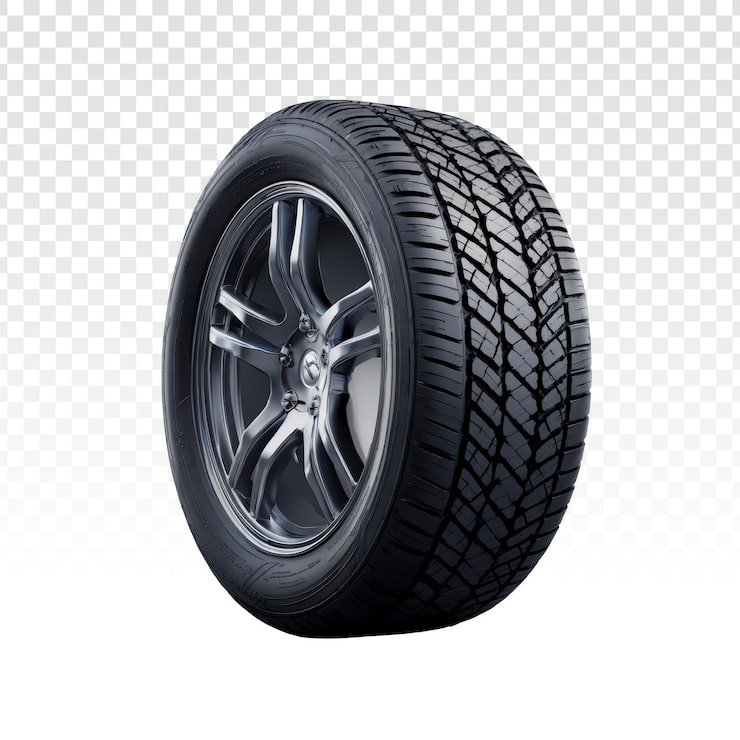
The Portugal tire industry is closely connected with automotive production, vehicle ownership, road transportation, and recurring replacement requirements. Tires influence vehicle safety, braking, handling, comfort, and efficiency, creating demand across passenger and commercial applications. Changes in mobility patterns, automotive technology, environmental regulation, and consumer preferences are also influencing the performance characteristics expected from modern tire products.
According to the Portugal tire industry report by MarkNtel Advisors, the study covers the 2026–2032 period and examines industry dynamics, key segments, demand conditions, competitive developments, technological changes, and factors influencing future development. The report considers vehicle demand, replacement requirements, technological advancement, and growing interest in high-performance and environmentally oriented tire products.
Automotive Activity Supports Demand
Portugal has an established automotive ecosystem that contributes to tire requirements through vehicle manufacturing and aftermarket activity. The country's automotive industry includes vehicle assembly and a broad network of component suppliers, creating links between original-equipment production and the wider replacement ecosystem.
Recent industrial developments also underline the importance of automotive manufacturing in Portugal. In 2025, the Portuguese Government announced an agreement with Volkswagen for production of a new fully electric vehicle at the Autoeuropa plant in Palmela, with production expected to begin in 2027. The new electric-vehicle production agreement illustrates the continuing evolution of the country's automotive manufacturing base.
This industrial activity can influence tire requirements through both original-equipment applications and replacement demand. Passenger vehicles generally require a balance of safety, comfort, grip, durability, and efficiency, while commercial vehicles may place greater emphasis on load capacity, mileage, and operating reliability.
Electrification Is Reshaping Product Requirements
The transition toward electric mobility is becoming increasingly relevant to Portugal's automotive ecosystem. Government programs have supported the adoption of zero-emission passenger vehicles, with the 2026 incentive program allocating €10 million to encourage replacement of combustion-engine vehicles with zero-emission alternatives.
Electric vehicles can introduce different requirements for tire design because of their weight characteristics, instant torque delivery, energy consumption, and acoustic performance. Tire manufacturers therefore need to balance rolling resistance, durability, load capacity, grip, and noise. Lower rolling resistance can contribute to vehicle efficiency, while sufficient traction and wear resistance remain important for safe operation.
Replacement Demand Remains Important
Replacement activity provides recurring requirements because tires experience wear through mileage and exposure to road surfaces, weather conditions, vehicle loads, and driving patterns. Maintenance practices and vehicle age can also influence replacement timing.
The replacement segment encompasses different product requirements. Passenger-car tires may emphasize braking, handling, comfort, efficiency, and tread life, whereas commercial applications can prioritize durability, mileage, load capacity, and operating reliability. This variation supports demand for products designed around particular vehicle categories and usage conditions.
Performance and Efficiency Gain Attention
Tire selection increasingly involves several technical characteristics. Wet-road grip, braking performance, rolling resistance, tread life, handling, noise, comfort, and purchase cost can all influence consumer and fleet decisions.
Manufacturers therefore need to balance multiple attributes during product development. Improving efficiency must be considered alongside grip and durability, while noise reduction and comfort need to be addressed without compromising other performance characteristics. The growing diversity of vehicle technologies is adding further complexity to this product-development process.
Sustainability and Producer Responsibility
End-of-life management is an important consideration within Portugal's tire industry. The Portuguese Environment Agency states that the country's producer-responsibility framework applies to tires placed on the national market and used tires. Under the framework, producers of new tires are responsible for ensuring the collection, transportation, and appropriate final destination of used tires.
This framework connects tire producers and importers with collection and recovery activities. Recycling, reuse, retreading, and other recovery processes can therefore become important components of the broader tire lifecycle, while manufacturers and distributors face greater attention toward responsible end-of-life management.
Circularity Gains Relevance
Portugal's wider waste-management framework incorporates extended producer responsibility across several specific waste streams, including tires and used tires. The Portuguese Environment Agency notes that producer responsibility is intended to encourage quantified collection, reuse, recycling, and recovery targets while supporting eco-efficiency and product design considerations.
For the tire industry, these principles can encourage greater attention to product durability, material efficiency, recyclability, and recovery. They also create stronger connections between manufacturers, distributors, workshops, collection organizations, treatment operators, and recycling facilities.
Technology and Industry Development
Technological advancement remains an important element of tire development. Manufacturers are working around requirements related to safety, durability, rolling resistance, comfort, handling, and acoustic performance. The growing presence of electric vehicles adds further technical considerations because tires must accommodate different vehicle characteristics.
Digital vehicle technologies may also influence tire maintenance by enabling monitoring of pressure, operating conditions, and service requirements. Wider adoption will depend on vehicle compatibility, infrastructure, consumer awareness, and the development of connected mobility systems.
Outlook for the Portuguese Industry
The Portugal tire industry is expected to remain influenced by automotive production, replacement requirements, electrification, product innovation, and sustainability considerations through the 2026–2032 period. Developments in electric-vehicle manufacturing and government support for zero-emission mobility indicate that the vehicle mix is continuing to evolve.
At the same time, producer-responsibility requirements are placing greater emphasis on tire collection, recovery, recycling, and lifecycle management. The interaction between vehicle technology, safety, efficiency, consumer preferences, and environmental responsibility is therefore likely to remain central to industry development.
Tags : tire