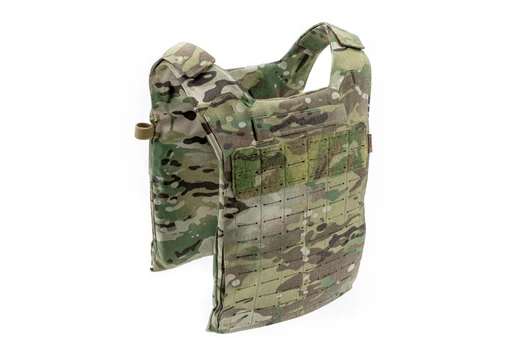
Understanding Plate Carriers
Protective equipment should balance comfort, function, and proper fit. For this reason, many users choose modular systems that support different equipment needs.
A well-designed carrier can help distribute protective plates across the torso. It can also provide attachment points for compatible accessories and equipment.
However, choosing the right setup requires more than looking at appearance. Materials, sizing, adjustment options, and intended use can all affect overall performance.
Plate Carriers are designed to hold protective plates while supporting a customizable equipment setup. Therefore, users should understand their features before selecting a carrier.
What Makes a Plate Carrier Useful?
A plate carrier provides a structured platform for carrying compatible protective plates. At the same time, it can support additional modular equipment.
Many modern designs use attachment systems for pouches and accessories. As a result, users can arrange their equipment according to their specific requirements.
Furthermore, adjustable straps can improve the overall fit. A secure fit helps reduce unnecessary movement during walking or other activities.
Focus on Proper Fit
Fit is one of the most important factors to consider. A carrier should sit securely without creating excessive pressure around the shoulders or torso.
Adjustable shoulder straps can help users find a comfortable position. Likewise, an adjustable cummerbund can provide better stability around the waist.
An incorrect fit may affect comfort during extended wear. Therefore, measurements should always be checked before choosing a particular size.
Important Materials and Construction
Materials can influence durability, weight, and everyday comfort. Common options include different types of nylon and other performance-focused textiles.
Strong stitching is also important for areas that experience regular stress. However, durability should not come at the expense of practical weight.
Lightweight construction can make a carrier easier to wear. At the same time, users should consider the conditions where the equipment will be used.
Modular Attachment Options
Modularity is another useful feature. Attachment points allow compatible pouches and accessories to be positioned where they are most convenient.
This flexibility makes it easier to create a personalized configuration. Moreover, users can change the arrangement when their equipment requirements change.
Before adding accessories, check the carrier's attachment system. Compatibility can vary between different products and configurations.
Choosing a Carrier for Your Needs
Start by identifying how and where the carrier will be used. Different activities can require different levels of adjustability, storage, and mobility.
Next, consider the type and size of compatible protective plates. The carrier should be designed to accommodate the plates you intend to use.
Weight is another important consideration. A heavier setup may become uncomfortable over time, especially when combined with additional equipment.
Therefore, focus on the complete setup rather than the carrier alone. This approach gives you a better idea of its overall practicality.
A Practical Approach to Tactical Gear
Raptor Tactical focuses on practical equipment designed around modular use and user needs. Its approach considers organization, adaptability, and everyday functionality.
For readers comparing different tactical gear options, the brand can provide another reference point. However, personal requirements should always guide the final choice.
Maintaining Your Equipment
Regular inspection can help identify wear before it becomes a larger problem. Check straps, stitching, attachment areas, and other frequently used components.
Keep fabric surfaces clean according to the manufacturer's care instructions. Also, allow equipment to dry properly after exposure to moisture.
Avoid making unnecessary modifications to structural components. Instead, use compatible accessories that are designed for the carrier.
Why Customization Matters
Every user may have different equipment requirements. Therefore, a modular carrier can provide more flexibility than a fixed configuration.
Customization can also improve organization. Frequently used items can be positioned where they are easier to reach.
Still, adding more equipment can increase weight and bulk. For this reason, users should keep only necessary items within their setup.
Conclusion
A good plate carrier should provide a secure fit, practical construction, and useful modularity. However, the best option depends on individual requirements and equipment compatibility.
Consider sizing, materials, adjustment features, plate compatibility, and attachment options before making a decision. A thoughtful setup can improve comfort and organization.
Frequently Asked Questions
What is a plate carrier designed to do?
A plate carrier is designed to hold compatible protective plates against the torso. It can also support modular accessories and equipment.
How should a plate carrier fit?
It should sit securely without causing excessive pressure or restricting normal movement. Proper adjustment is important for comfort and stability.
What should I consider before buying a plate carrier?
Consider sizing, plate compatibility, materials, weight, adjustment options, and attachment systems. Also, think about how you plan to use the equipment.