Introduction
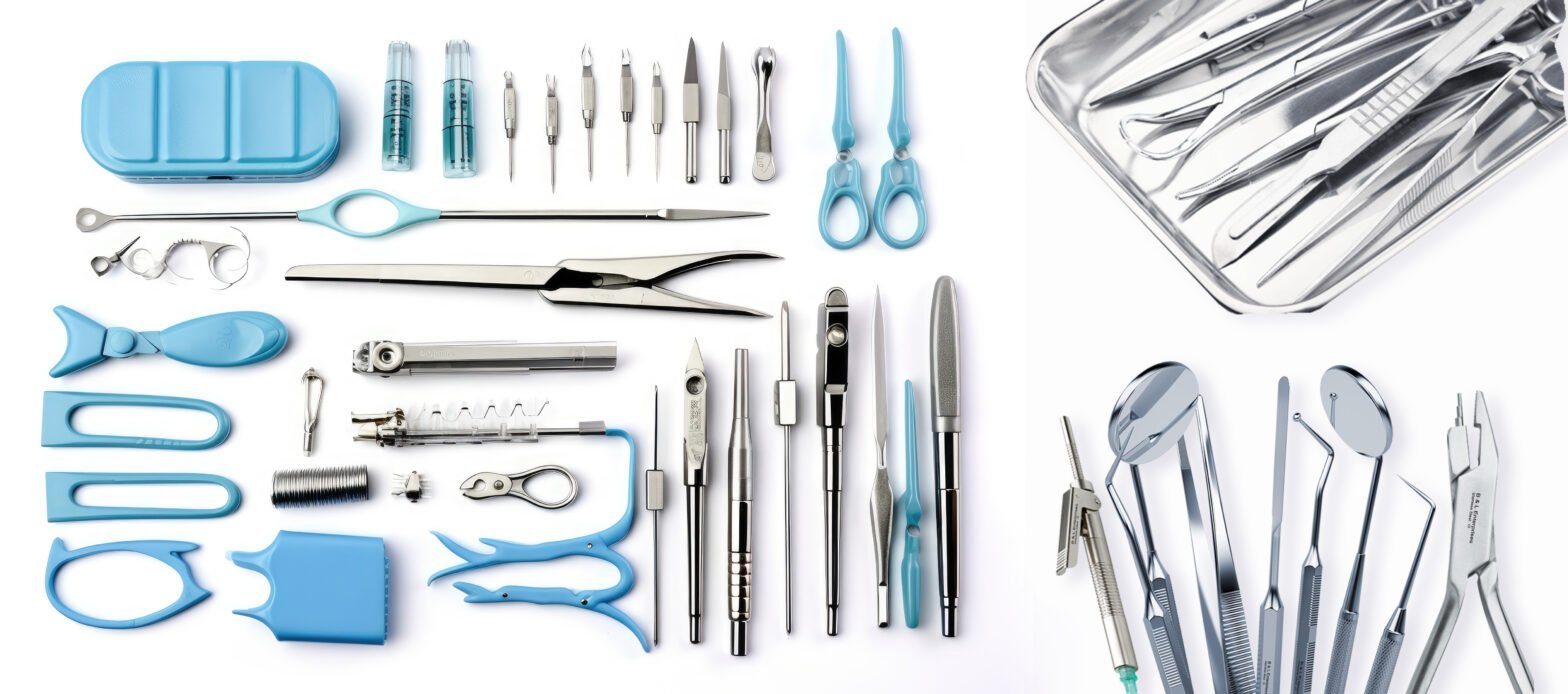
Surgical instruments are the backbone of modern medical procedures, enabling surgeons to perform precise and life-saving operations. Among these, plastic surgical instruments have gained popularity due to their lightweight design, cost-effectiveness, and reduced risk of infection.
In this comprehensive guide, we’ll explore the different types of surgical instruments, their uses, pros and cons, and trusted manufacturers. Whether you’re a medical professional, healthcare buyer, or curious reader, this article will provide deep insights into plastic surgical instruments, general surgery instruments, and stainless steel surgical instruments.
Understanding Surgical Instruments
Surgical instruments are tools or devices specifically designed to perform surgeries, ranging from minor procedures to complex operations. They are crafted with precision and often made from materials like stainless steel, plastic, or titanium to ensure safety, durability, and sterility.
Categories of Surgical Instruments
- Cutting and Dissecting Instruments
- Scalpels, scissors, and surgical knives.
- Used for incisions and tissue separation.
- Grasping and Holding Instruments
- Forceps, clamps, and needle holders.
- Designed to hold tissue, needles, or medical devices firmly.
- Retracting and Exposing Instruments
- Retractors and speculums.
- Help expose the surgical site for better visibility.
- Suturing Instruments
- Needle holders, suture scissors.
- Enable precise stitching after procedures.
- Specialty Instruments
- Used in neurosurgery, orthopedic surgery, or laparoscopic procedures.
Plastic Surgical Instruments – An Overview
Plastic surgical instruments are increasingly used in hospitals, clinics, and outpatient centers. They are particularly favored in single-use surgeries to prevent cross-contamination.
Benefits of Plastic Surgical Instruments
- Cost-Effective: Cheaper than stainless steel counterparts.
- Lightweight: Easier handling for surgeons during long procedures.
- Sterile and Disposable: Reduces the risk of hospital-acquired infections.
- Radiolucent: Safe for imaging procedures like X-rays and MRIs.
Common Types of Plastic Surgical Instruments
- Plastic forceps and clamps
- Plastic scalpels and blades
- Plastic retractors and speculums
- Plastic suturing instruments
Pro Tip: While plastic instruments are convenient, they are less durable than stainless steel, making them suitable mainly for single-use procedures.
Stainless Steel Surgical Instruments
Despite the rise of plastic instruments, stainless steel surgical instruments remain a staple in operating rooms due to their durability and reusability.
Advantages of Stainless Steel Instruments
- Long-lasting and reusable after sterilization
- Resistant to corrosion and wear
- High precision for intricate procedures
- Suitable for a wide range of surgeries
Popular Stainless Steel Instruments
- Scalpels
- Surgical scissors
- Forceps
- Needle holders
General Surgery Instruments – Essentials
General surgery instruments are used in common procedures like appendectomies, hernia repairs, and biopsies. Key instruments include:
- Scalpel – Precise cutting tool
- Hemostats – Control bleeding by clamping blood vessels
- Retractors – Expose surgical sites
- Needle holders – Assist in suturing
- Scissors – Cut tissue, sutures, or dressing

Choosing the Right Surgical Instruments Manufacturer
Selecting a surgical instrument manufacturer is critical for quality, safety, and compliance. Reputable manufacturers follow ISO 13485 and CE certification standards.
What to Look For
- Wide range of instruments (plastic and stainless steel)
- High-quality materials and ergonomic designs
- Customization options for hospitals and clinics
- Positive reviews from medical professionals
Top Surgical Instruments Manufacturers
- Medline Industries
- Aesculap
- B. Braun Melsungen AG
- Local surgical instruments suppliers with verified certifications
CTA Example: Contact a trusted Surgical Instruments Manufacturer to request a catalog or quote.
Case Studies: Plastic vs. Stainless Steel Instruments
Case Study 1: Outpatient Surgery
- Scenario: Minor dermatological procedure using plastic instruments.
- Outcome: Reduced infection rates, quick disposal, and lower costs.
Case Study 2: Major Surgery
- Scenario: Orthopedic surgery requiring high precision.
- Outcome: Stainless steel instruments ensured accuracy, durability, and multiple sterilizations.
Pros & Cons of Plastic and Stainless Steel Instruments
FAQs About Surgical Instruments
Q1: Are plastic surgical instruments safe?
Yes, especially for single-use procedures. They reduce infection risk and are FDA-approved for medical use.
Q2: How are stainless steel surgical instruments sterilized?
Autoclaving is standard, using high-pressure steam to eliminate bacteria and viruses.
Q3: Can plastic instruments replace stainless steel in major surgeries?
Not typically. Plastic instruments are best for minor or disposable procedures due to durability limitations.
Q4: How to choose a reliable surgical instruments supplier?
Check certifications, product range, reviews, and adherence to international medical standards.
Conclusion
Choosing the right surgical instruments can significantly impact patient safety and surgical outcomes. Plastic surgical instruments offer cost-effective, lightweight solutions for minor or disposable procedures, while stainless steel surgical instruments remain indispensable for major operations due to their precision and durability.
Whether you are a medical professional, supplier, or healthcare buyer, understanding the differences between plastic and stainless steel instruments, as well as selecting a trusted surgical instruments manufacturer, is crucial for successful operations.
Call to Action: Share this article with your colleagues, comment on your experiences with surgical instruments, or reach out to a certified surgical instruments supplier today!