Planning Vietnam During Winter? Destinations and Itinerary Ideas for Indians
By Jason Reed 21-09-2026 6
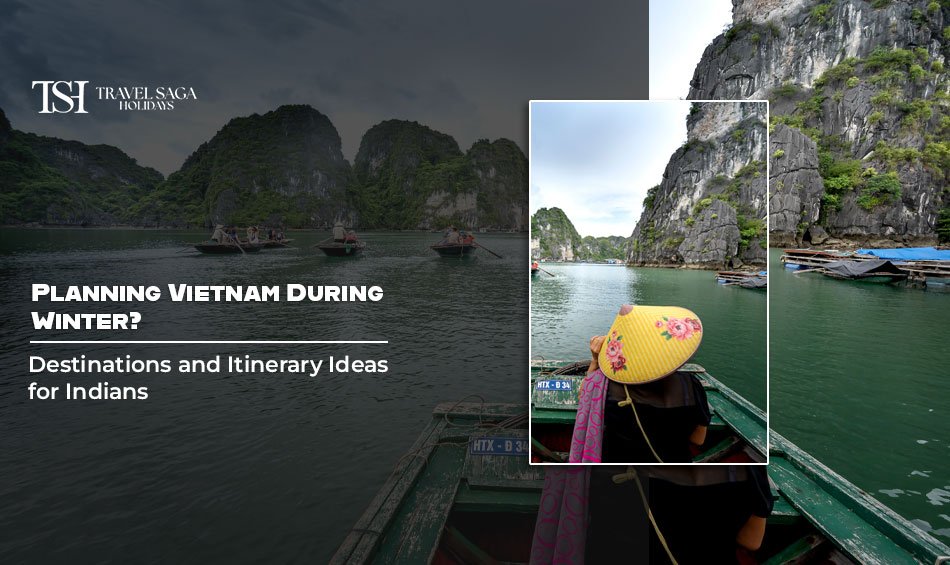
Winter can be an interesting time for Indians planning a Vietnam holiday because the country experiences very different weather conditions from north to south. Hanoi and Halong Bay can feel cool, misty and cloudy, while Ho Chi Minh City and Phu Quoc remain considerably warmer. This regional variation means that choosing destinations carefully can make a big difference to the overall experience.
For travellers researching Vietnam Holiday Packages from India, November to April is commonly considered a convenient period for sightseeing, although the ideal route depends on the month and the regions being visited. A well-planned journey can combine Hanoi's culture, Halong Bay's landscapes, Da Nang's coastal setting, Hoi An's heritage and the energy of Ho Chi Minh City without trying to cover the entire country in a few days.
Why Winter Changes the Way Vietnam Should Be Planned
Vietnam is long and geographically diverse, so “winter in Vietnam” does not describe one type of weather.
Northern Vietnam experiences cooler conditions from December through March. Hanoi can be chilly and cloudy, while Halong Bay often has mist covering its limestone formations. January can be particularly cold in the north, making warm layers useful.
Southern Vietnam follows a different pattern. Ho Chi Minh City generally has hot, sunny conditions from December to April, while Phu Quoc is also known for warm and relatively dry conditions around December and January.
This difference can actually work in favour of Indian travellers. Instead of expecting the same climate everywhere, the itinerary can be planned around the type of experience preferred.
Which Destinations Make Sense During Winter?
A winter route can include:
- Hanoi for cultural sightseeing, markets and the Old Quarter
- Halong Bay for cruises, limestone islands and scenic landscapes
- Da Nang for beaches and coastal sightseeing
- Hoi An for its historic streets and traditional atmosphere
- Ho Chi Minh City for city attractions, food and southern Vietnam experiences
- Phu Quoc for a warmer beach-focused break
- Sapa for mountain scenery and terraced landscapes
- Nha Trang for beaches and coastal activities
Not every destination needs to be included. The better approach is to choose a route that fits the number of days available.
How to Build Vietnam Holiday Packages from India Around Your Travel Days
The number of days available can significantly change how much of Vietnam you can experience without making the trip feel rushed. Instead of trying to cover every major destination, it is better to create a route that allows enough time for sightseeing, local experiences, and comfortable transfers.
6 Days for Hanoi, Halong Bay and Central Vietnam
Six days can work well for travellers who want to combine northern Vietnam with a short introduction to the country's central region.
Suggested route:
- Day 1: Arrive in Hanoi and explore the city
- Day 2: Travel to Halong Bay and enjoy a cruise
- Day 3: Return to Hanoi and continue sightseeing
- Day 4: Fly to Da Nang
- Day 5: Explore Da Nang and nearby attractions
- Day 6: Departure
This itinerary keeps the route relatively focused while allowing travellers to experience both Hanoi and the coastal character of central Vietnam.
7 Days for a Mix of Cities, Culture and Scenery
Seven days provide more flexibility and make it possible to include Hoi An alongside Hanoi, Halong Bay and Da Nang.
Suggested route:
- Day 1: Arrive in Hanoi
- Day 2: Explore Hanoi and its major attractions
- Day 3: Halong Bay cruise
- Day 4: Return to Hanoi and fly to Da Nang
- Day 5: Visit Ba Na Hills and the Golden Bridge
- Day 6: Explore Hoi An Ancient Town
- Day 7: Departure
This route combines city sightseeing, natural scenery, cultural experiences and coastal destinations without adding too many long travel days.
8 Days for a Northern and Southern Vietnam Experience
With eight days, travellers can expand beyond central Vietnam and experience the contrast between Hanoi and Ho Chi Minh City.
Suggested route:
- Day 1: Arrive in Hanoi
- Day 2: Hanoi sightseeing
- Day 3: Halong Bay cruise
- Day 4: Return to Hanoi and fly towards the next destination
- Day 5: Explore Da Nang
- Day 6: Continue sightseeing before travelling to Ho Chi Minh City
- Day 7: Explore Ho Chi Minh City
- Day 8: Departure
An eight-day trip is useful for travellers who want to experience different parts of Vietnam rather than spending the entire holiday in one region.
9 Days for a More Complete Vietnam Journey
Nine days give travellers more breathing room and make it easier to combine the country's northern, central and southern highlights.
Suggested route:
- Day 1: Arrive in Hanoi
- Day 2: Explore Hanoi
- Day 3: Halong Bay cruise
- Day 4: Return to Hanoi and travel to Da Nang
- Day 5: Explore Da Nang and visit Ba Na Hills
- Day 6: Discover Hoi An Ancient Town
- Day 7: Travel to Ho Chi Minh City
- Day 8: Explore Ho Chi Minh City and nearby attractions
- Day 9: Departure
The extra day makes the journey more comfortable because there is greater flexibility for sightseeing and transfers. It also reduces the need to pack too many activities into a single day.
For Vietnam Holiday Packages from India, the ideal duration ultimately depends on the destinations you want to experience. A six-day trip can provide a focused introduction, while seven, eight and nine-day itineraries allow progressively more time for combining Vietnam's northern, central and southern regions.
What Should Be Included in a Winter Vietnam Itinerary?
A useful itinerary should have a balance between sightseeing, travel time and free time.
Consider including:
- One major cultural experience in each city
- At least one scenic experience such as a Halong Bay cruise
- Time for local food and markets
- Beach time if visiting Da Nang, Nha Trang or Phu Quoc
- A heritage experience in Hoi An
- A southern Vietnam experience such as the Cu Chi Tunnels or Mekong Delta
- Free time for shopping and independent exploration
Some travellers also enjoy Vietnamese street-food tours, night markets and local boat experiences. Sapa can be added for travellers interested in mountains and rice terraces.
What Is the Weather Like in the Main Winter Destinations?
Official Vietnam Tourism information confirms that northern destinations such as Hanoi and Halong Bay become cooler and mistier between December and March, while southern Vietnam is generally hot and sunny during December to April.
That is why travellers should avoid packing only for the weather they expect from the word “winter.”
How Can Indians Reach Vietnam?
Vietnam is accessible from several major Indian cities, including Delhi, Mumbai, Bengaluru, Chennai, Hyderabad and Kolkata. Common international arrival points include Hanoi's Noi Bai International Airport, Ho Chi Minh City's Tan Son Nhat International Airport and Da Nang International Airport.
Flight time varies according to the departure city and routing, so the arrival airport should be selected according to the itinerary. For example, travellers beginning in Hanoi may prefer to arrive in the north, while a southern itinerary can start in Ho Chi Minh City.
Booking flights several weeks or months ahead can also make itinerary planning easier, particularly around popular holiday periods.
Do Indians Need a Visa for Vietnam?
Yes. Indian citizens need a visa to enter Vietnam.
Vietnam's e-visa system is available to citizens of all countries and territories under the current framework, and travellers should use the official Vietnamese immigration system for current application requirements.
Before travelling, check:
- Passport validity
- Visa validity and permitted entries
- Intended entry point
- Travel dates
- Accommodation information
- Current immigration requirements
The visa process should be completed before making non-refundable travel arrangements where possible. Requirements can change, so current government information should always take priority over older travel articles.
What Should Indians Pack for Vietnam in Winter?
Packing should follow the route rather than the calendar.
For northern Vietnam, consider:
- Light jackets or warm layers
- Comfortable walking shoes
- A compact umbrella
- Moisture-resistant clothing for misty conditions
For southern destinations, pack:
- Lightweight clothes
- Comfortable sandals or walking shoes
- Sun protection
- Swimwear if visiting beach destinations
Travellers moving between northern and southern Vietnam should prepare for both temperature ranges.
It is also useful to keep digital copies of passports, visas, hotel confirmations and flight details.
Practical Travel Tips for Indians Visiting Vietnam
A few small preparations can make the trip considerably easier, especially when planning Holiday Packages From India that combine several Vietnamese cities.
- Carry some Vietnamese Dong (VND) for smaller purchases and local markets.
- Download offline maps before leaving India.
- Use licensed taxis or established ride-hailing services such as Grab.
- Dress modestly when entering temples and religious sites.
- Keep important travel documents backed up digitally.
- Check vegetarian or dietary requirements before ordering food.
- Carry comfortable footwear because many city attractions involve walking.
- Keep some flexibility in the schedule for weather-related changes.
- Check domestic flight baggage rules when combining several Vietnamese cities.
Vietnam uses Vietnam Standard Time, which is GMT+7, and the country drives on the right-hand side of the road. Vietnamese is the main language, while English is commonly used in tourist areas.
Where Can Indian Travellers Stay?
Accommodation should be selected according to the route rather than choosing one hotel category for the entire trip.
Popular choices include:
- Hanoi: hotels around central areas for easier sightseeing
- Halong Bay: cruise accommodation for an overnight bay experience
- Da Nang: beach resorts and city hotels
- Hoi An: boutique stays around the historic area
- Nha Trang: beach resorts and coastal hotels
- Ho Chi Minh City: centrally located city hotels
Travellers looking for higher-end experiences can also consider luxury resorts, 5-star hotels, private transfers and premium guided sightseeing where available.
Some hotels in major tourist areas also provide Indian food options, which can be useful for families and travellers with specific dietary preferences.
Is Vietnam Suitable for Different Types of Indian Travellers?
Vietnam can work for several travel styles because the country combines cities, beaches, mountains, food and cultural attractions.
Families may prefer shorter travel days and a combination of sightseeing and leisure.
Couples can combine Hoi An, Halong Bay and beach destinations for a more relaxed itinerary.
Groups of friends may prefer a longer route that includes city experiences, food tours, markets and outdoor activities.
First-time international travellers may find a shorter Hanoi and Halong Bay itinerary easier to manage before considering a multi-city journey.
The important factor is not simply how many destinations can be added. A good itinerary should leave enough time to actually experience each place.
Important Notes Before Finalising the Trip
Winter does not guarantee identical weather throughout Vietnam. Halong Bay can become misty between December and March, and Hanoi can experience surprisingly cold conditions during the same period.
Central Vietnam should also be assessed separately because its weather pattern differs from both northern and southern regions. Meanwhile, southern destinations can provide considerably warmer conditions during the same months.
For that reason, travellers should:
- Check regional weather before finalising the route.
- Keep the itinerary flexible where possible.
- Verify current visa rules before applying.
- Confirm what accommodation, transfers and sightseeing arrangements are included in any package.
- Avoid trying to cover too many cities during a short trip.
- Allow sufficient time between domestic connections.
The goal should be a route that feels comfortable rather than simply impressive on paper.
Conclusion
Planning Vietnam during winter is less about finding one “perfect” destination and more about matching the route with regional weather, available days and the type of holiday desired. Hanoi and Halong Bay can provide a cooler northern experience, while Da Nang and Hoi An add central Vietnam's coastal and cultural appeal. For travellers comparing Vietnam Holiday Packages from India, working with an International Travel Agency in India such as Travel Saga Holidays can make it easier to coordinate destinations, accommodation, sightseeing, transfers and visa guidance. Ho Chi Minh City and Phu Quoc can then add a warmer southern experience, creating a more balanced Vietnam holiday based on the season and the time available.
FAQs
1. Is winter a good time to visit Vietnam from India?
Winter can be a convenient period for visiting Vietnam, but conditions differ significantly by region. Northern destinations are cooler and often misty, while southern Vietnam is generally warmer and sunnier.
2. How many days are enough for a Vietnam trip from India?
Five days can work for a focused Hanoi and Halong Bay trip. Seven days allows travellers to add Da Nang and Hoi An, while eight or nine days provide more room for a multi-region itinerary.
3. Which destinations should be included in Vietnam Holiday Packages from India?
Hanoi, Halong Bay, Da Nang, Hoi An and Ho Chi Minh City are useful choices for a first multi-city trip. Travellers with more time can also consider Sapa, Nha Trang or Phu Quoc.
4. Do Indians need a visa to visit Vietnam?
Yes. Indian passport holders need a visa for Vietnam. Vietnam's e-visa system currently allows applications from citizens of all countries and territories, subject to the applicable rules.
5. Is Halong Bay cold in winter?
Halong Bay can be cool to cold, cloudy and misty from December to March. Warm layers are recommended, particularly for overnight cruises.
6. Can a Vietnam itinerary include both Hanoi and Ho Chi Minh City?
Yes. A longer itinerary can combine northern and southern Vietnam, with domestic flights helping connect the two regions.
7. What currency should Indians carry in Vietnam?
Vietnam uses the Vietnamese Dong (VND). Carrying some local currency can be useful for smaller purchases, markets and situations where card payments are not convenient.
8. Can Vietnam travel plans be customized?
Yes. The number of days, destinations, accommodation category, sightseeing and transfers can be adjusted according to the traveller's requirements and the selected travel arrangement.