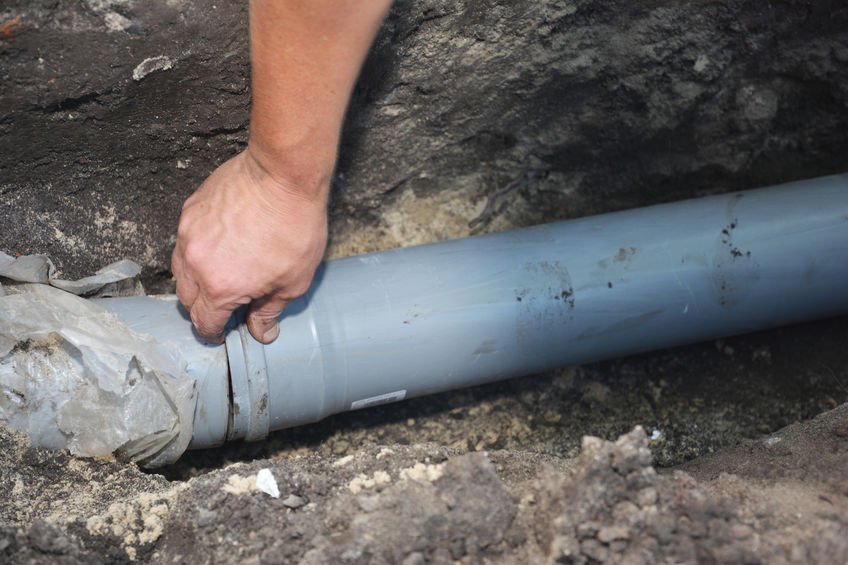
Sewer line installation is not something most property owners think about until there is a serious problem. In Vancouver, WA, aging sewer lines, root intrusion, and outdated materials make replacement or full installation increasingly common. Beyond the physical work, there is another layer many homeowners and property managers overlook: permits, inspections, and local regulations.
If you are planning a sewer line installation in Vancouver WA, understanding these requirements upfront can save time, money, and stress. This guide walks through what you need to know before work begins and how to make the process smoother.
Why Proper Sewer Line Installation Matters
A sewer line is one of the most critical systems on any property. When it fails or is improperly installed, the results can include sewage backups, property damage, health risks, and costly repairs. For older homes and commercial buildings, outdated sewer systems often no longer meet current standards.
Proper sewer line installation protects your property value, keeps occupants safe, and ensures your system functions reliably for decades. It also helps avoid fines, failed inspections, or having to redo work that does not meet code. Whether you are a homeowner, landlord, or business owner, doing it right the first time matters.
Sewer Line Regulations in Vancouver, WA
Sewer installation work in Vancouver is regulated by local and regional authorities. Most projects must comply with standards set by the City of Vancouver and Clark Regional Wastewater District. These regulations exist to protect public infrastructure, groundwater, and neighboring properties.
Local codes govern everything from pipe materials and depth to how connections are made to the municipal sewer system. Even small deviations can lead to inspection failures or delays, so compliance is not optional.
Sewer Line Permits in Vancouver WA
What permits are required
Most sewer line installation projects require multiple permits, including:
- Plumbing permits for the sewer line itself
- Building permits if structural elements are affected
- Right-of-way or excavation permits if work extends into public areas or easements
These sewer line permits ensure the work is reviewed and approved before excavation begins.
How the permit process works
The permit process typically involves submitting a detailed scope of work, site plans, and contractor information to the city. Fees vary based on project size and location. Review timelines can range from a few days to several weeks depending on complexity.
Working with an experienced vancouver sewer contractor often speeds up this step, as they are familiar with local sewer installation requirements and paperwork.
Required Sewer Line Inspections
Inspections are required at several stages of the project to confirm the installation meets code.
- Pre-installation inspection: Confirms location, utility markings, and approved plans
- In-progress inspection: Checks trench depth, pipe bedding, slope, and materials
- Final inspection: Verifies proper connection, testing, and backfill
Inspectors look closely at alignment, slope consistency, and approved materials. Missing an inspection or failing one can delay project completion and increase costs.
Sewer Installation Requirements and Standards
Materials and installation methods
Vancouver requires approved pipe materials such as PVC or other code-compliant options. Joints must be properly sealed, and pipes must be supported with correct bedding to prevent sagging or future failure.
Depth and slope standards
Proper slope is critical for gravity-fed sewer systems. Too little slope can cause clogs, while too much can lead to premature wear. Depth requirements also account for soil conditions and freeze protection.
Municipal connection rules
Connecting to the city sewer system must follow strict guidelines. This includes approved fittings, proper cleanouts, and sometimes backflow prevention, especially for commercial properties.
Common Challenges During Sewer Line Installation
Unexpected issues are common, especially with older properties. Tree roots, rocky soil, hidden utility lines, or groundwater can complicate excavation. Properties near streets may require traffic control or additional permits.
Experienced sewer contractors plan for these challenges and adjust methods without compromising code compliance.
Choosing the Right Sewer Installation Contractor
Not all contractors are equally equipped to handle sewer line installation in Vancouver WA. Look for professionals who are licensed in Washington State, fully insured, and familiar with local permitting offices.
Ask about past projects, inspection pass rates, and whether they handle permits and inspections on your behalf. A qualified contractor reduces risk and keeps your project moving forward.
Cost Expectations and Budgeting
Sewer line installation costs vary based on length, depth, access, soil conditions, and permit fees. Budgeting should account for permits, inspections, labor, materials, and potential obstacles.
Getting a detailed estimate upfront helps avoid surprises and allows you to plan financially.
Final Thoughts
Sewer line installation is a major investment, but understanding permits, inspections, and sewer installation requirements makes the process far more manageable. In Vancouver, WA, following local regulations protects your property and ensures long-term performance.
If you are planning a sewer line installation or replacement, working with a knowledgeable local professional can save time and prevent costly mistakes. Contact a licensed sewer contractor to review your options, handle permitting, and guide you through every step of the process.