Managing payroll can feel overwhelming for small business owners. According to recent data, over 60% of small businesses struggle with payroll compliance, leading to costly penalties and time-consuming corrections. Payroll software Australia has become essential for companies looking to streamline operations and avoid these pitfalls. The right solution not only saves time but also ensures accuracy in every pay run, keeping your business compliant with Australian tax regulations.
Understanding payroll tax doesn't have to be complicated. In this guide, you'll discover what payroll tax really means for your business, how to calculate it correctly, and why choosing the right payroll solution matters. We'll walk you through the basics of payroll obligations, common mistakes to avoid, and practical tips that make managing your team's wages more straightforward and stress-free.
What is Payroll Tax?
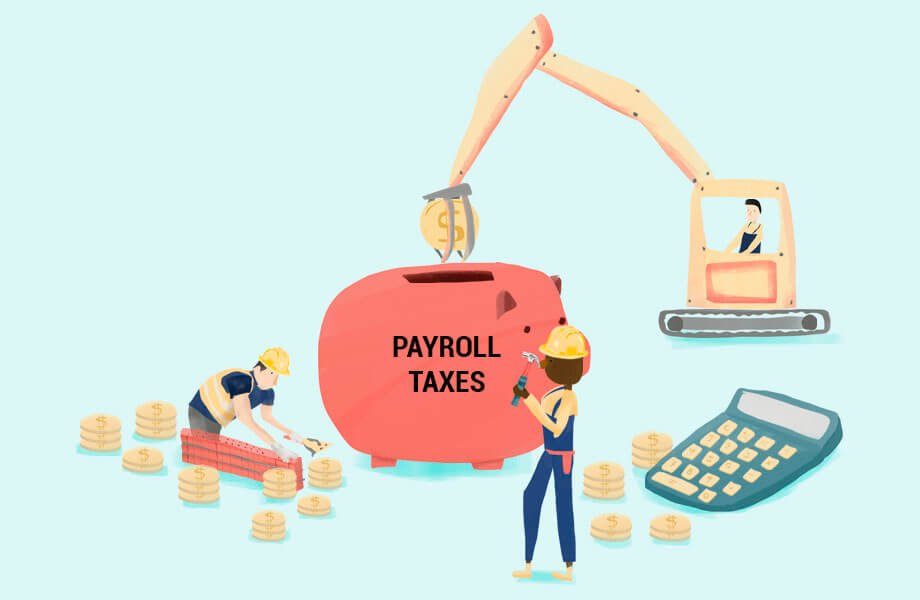
Payroll tax is a state-based tax that employers pay on the wages they give to their employees. Unlike income tax, which employees pay from their salaries, payroll tax comes directly from the employer's pocket. Each Australian state and territory has its own rules and threshold limits. If your total wages exceed the threshold in your state, you need to register and pay payroll tax.
The threshold varies across different states. For example, some states require registration when your annual wages reach a certain amount, while others offer exemptions for small businesses. It's essential to check your state's specific requirements to stay compliant and avoid unexpected bills.
How to Calculate Payroll Tax
Calculating payroll tax involves adding up all taxable wages paid to your employees during the financial year. This includes salaries, bonuses, commissions, and specific allowances. Once you have the total, you subtract the tax-free threshold for your state. The remaining amount is then multiplied by your state's payroll tax rate.
Most businesses calculate payroll tax monthly or annually, depending on their state requirements. Using payroll software Australia can automate these calculations, reducing errors and ensuring you never miss a payment deadline. The software keeps track of all wages, applies the correct rates, and generates reports that make lodging returns much easier to complete.
Common Taxable Wages Include:
- Regular salaries and hourly wages
- Overtime payments and shift allowances
- Bonuses and commissions
- Certain fringe benefits
- Payments to contractors in some cases
Why Small Businesses Need Reliable Payroll Solutions
Small businesses face unique challenges when managing payroll. Limited resources and time constraints make it difficult to keep up with constantly changing tax regulations. This is where modern payroll solutions become game-changers. They handle complex calculations automatically, send reminders for important deadlines, and keep all employee records organised in one place.
Choosing the best payroll solutions for small businesses means finding software that's both powerful and easy to use. You don't need complicated systems with features you'll never touch. Instead, look for platforms that offer unlimited employees for a fixed price, Australian-based support, and seamless integration with your existing tools.
Online payroll services provide flexibility that traditional methods can't match. You can process payments from anywhere, employees can access their payslips instantly, and everything is securely backed up in the cloud. This accessibility means you're never tied to your desk on payroll day.
Benefits of Using Professional Payroll Software
Modern payroll software does more than calculate wages. It handles Single Touch Payroll reporting, manages superannuation contributions, and automatically tracks employee leave balances. These features save hours of manual work each week and significantly reduce the risk of compliance issues.
Professional software also provides clear audit trails. Every transaction is recorded, making it simple to answer employee questions or respond to audit requests. You'll have instant access to historical data, detailed reports, and precise documentation that protects your business.
Staying Compliant with Australian Regulations
Compliance with payroll regulations protects your business from penalties and builds trust with your team. Australian employers must meet Single Touch Payroll requirements, submit accurate reports to the ATO, and ensure superannuation contributions are paid to employees' funds on time.
Using dedicated software helps maintain compliance effortlessly. The system updates automatically when tax rates change, validates entries before processing, and sends alerts for upcoming deadlines. This proactive approach means you're always ahead of your obligations rather than scrambling to catch up.
Conclusion
Payroll tax doesn't have to be the headache many business owners fear. With a clear understanding of your obligations and the right tools in place, managing payroll becomes straightforward and stress-free. Remember to check your state's specific threshold requirements, keep accurate records of all wages paid, and calculate tax amounts correctly using reliable systems.
Investing in quality payroll officer salary transforms how you handle this critical business function, giving you more time to focus on growth while ensuring every team member gets paid accurately and on time.
Ready to simplify your payroll process? Discover how the right solution can save you time and eliminate compliance worries. Visit the platform today and start your free trial to experience hassle-free payroll management designed specifically for Australian businesses.