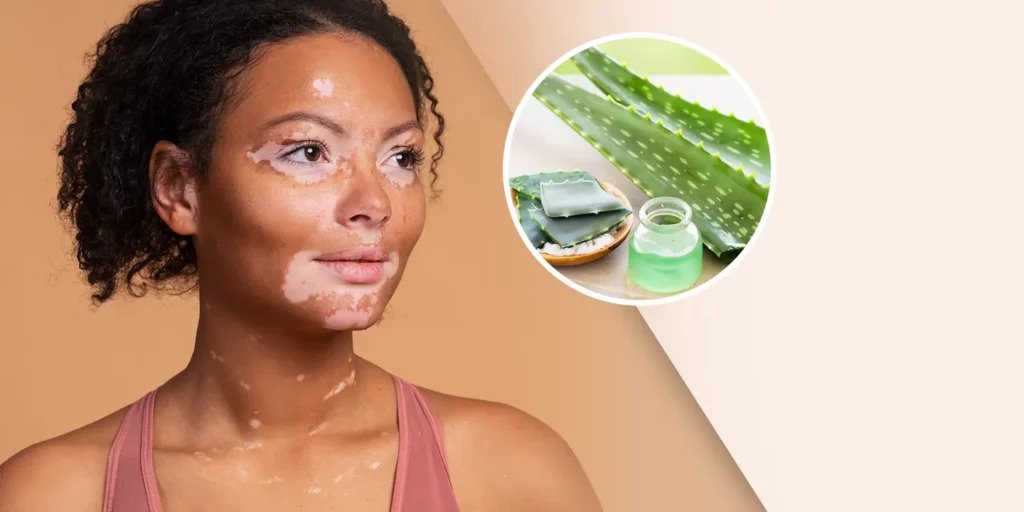
Vitiligo, a chronic skin condition characterized by the loss of pigment, affects millions around the world. While modern medicine focuses mainly on controlling the spread, Ayurveda offers a holistic approach that addresses the root cause. One of the most effective traditional therapies in Ayurveda for autoimmune and skin disorders is Panchakarma—a deep detoxification process that purifies the body, balances doshas, and rejuvenates tissues.
In this blog, we explore how Panchakarma for vitiligo works and why it is considered a powerful Ayurvedic treatment for vitiligo.
Understanding Vitiligo in Ayurveda
According to Ayurveda, vitiligo (Shwitra or Kilasa) occurs due to an imbalance in the Pitta and Kapha doshas, impaired digestion (Agni), toxin accumulation (Ama), and disturbed immunity. These factors affect the skin tissues (Rakta dhatu & Mamsa dhatu), leading to depigmentation.
Instead of just treating patches on the skin, vitiligo treatment in Ayurveda focuses on correcting internal imbalances and cleansing toxins from the body.
What Is Panchakarma?
- Panchakarma is a set of five therapeutic procedures designed to detoxify the body and restore dosha balance. It includes:
Vamana (therapeutic emesis)
Virechana (purgation therapy)
Basti (medicated enemas)
Nasya (nasal detox)
Raktamokshana (blood purification)
For vitiligo, a customized combination of these therapies is used depending on the patient's skin type, dosha imbalance, digestion strength, and disease severity.
How Panchakarma Helps in Vitiligo
1. Removes Deep-Seated Toxins
Toxin accumulation is a major factor behind vitiligo. Panchakarma eliminates Ama from the body, improving metabolism and skin health.
2. Balances Pitta Dosha
Since vitiligo is closely linked to Pitta imbalance, therapies like Virechana help cool and cleanse the system, promoting natural pigmentation.
3. Restores Immune Harmony
Vitiligo is considered an autoimmune condition. Panchakarma stabilizes immunity by calming aggravated doshas.
4. Improves Blood Circulation
Raktamokshana, when indicated, purifies the blood and enhances microcirculation, which is essential for re-pigmentation.
5. Enhances Absorption of Herbal Medicines
Post-detox, the body becomes more responsive to Ayurvedic herbs, such as Bakuchi (Psoralea corylifolia), Neem, Manjistha, and Khadira, used in vitiligo treatment Ayurveda.
Stages of Panchakarma for Vitiligo
1. Purva Karma (Preparation Phase)
Snehana – internal and external oleation using medicated oils
Swedana – herbal steam therapy to loosen toxins
2. Pradhana Karma (Main Detox Therapy)
Depending on the case, therapies like Virechana, Basti, and Raktamokshana are performed under expert supervision.
3. Paschat Karma (Post-Therapy Care)
Includes diet regulation, lifestyle guidance, and herbal medicines to enhance skin pigmentation and prevent relapse.
Benefits of Ayurvedic Treatment for Vitiligo with Panchakarma
- Promotes natural melanocyte regeneration
Slows or stops the spread of patches
Enhances skin texture and tone
Boosts digestion and metabolism
Improves mental and emotional well-being
Offers long-term, holistic healing
Panchakarma is often combined with external therapies like Lepa (herbal paste application), Kashaya Dhara, and controlled sun exposure for better results.
Diet & Lifestyle Tips During Treatment
To support your Ayurvedic treatment for vitiligo, adopt:
Foods to Avoid
Sour foods (curd, tamarind, vinegar)
Fish and dairy combinations
Junk food and excessively spicy items
Foods to Include
Fresh vegetables
Whole grains
Ghee
Herbs like turmeric and giloy
Lifestyle Tips
Reduce stress
Maintain a regular sleep schedule
Practice yoga and pranayama
Conclusion
Panchakarma offers a comprehensive, natural, and effective way to manage vitiligo by detoxifying the body, balancing doshas, and promoting re-pigmentation. When combined with the right herbs, diet, and lifestyle, vitiligo treatment in Ayurveda can bring lasting improvement and help restore confidence.
If you're looking for a holistic, root-cause solution, Ayurvedic treatment for vitiligo with Panchakarma is a promising path to explore.
Tags : .....