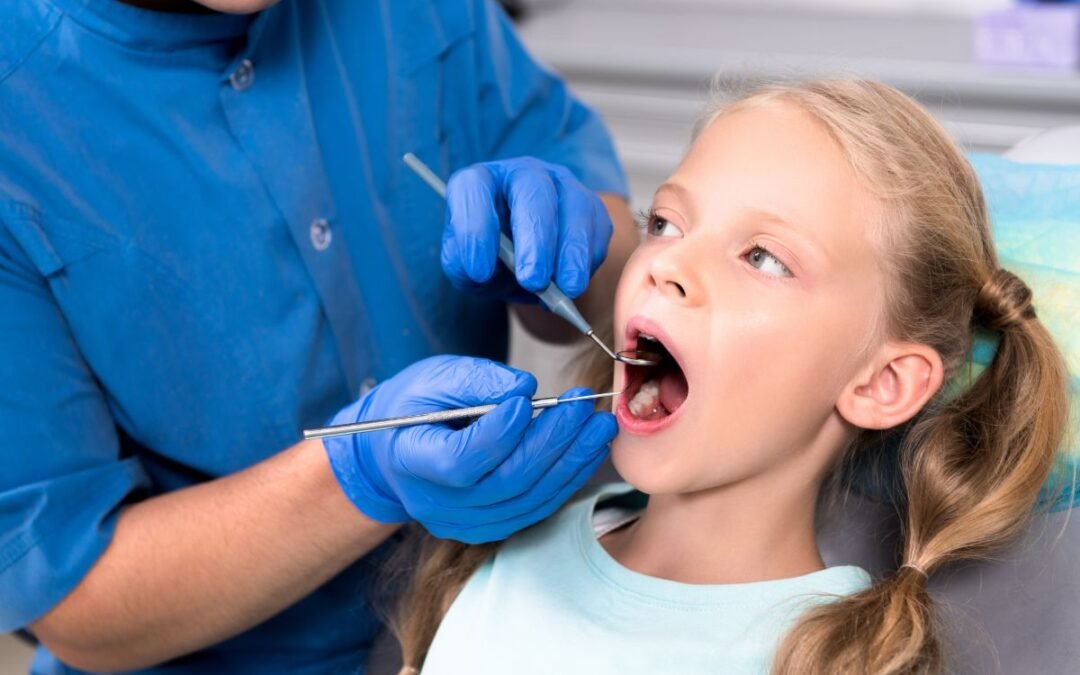
Searching for an orthodontist near me is often the first step for people who want to improve crooked teeth, crowding, spacing, or bite-related concerns. Orthodontic treatment focuses on gradually moving teeth into better positions and improving the relationship between the upper and lower teeth. A professional assessment is important for understanding the cause of an alignment concern and choosing an appropriate treatment approach.
Orthodontic care can be suitable for children, teenagers, and adults. Depending on individual needs, treatment may include traditional metal braces, ceramic braces, self-ligating braces, lingual braces, or clear aligners. The most suitable option depends on tooth position, bite, oral health, treatment goals, and the complexity of the required tooth movement.
Understanding Orthodontic Treatment
Orthodontics is a specialized area of dentistry that focuses on diagnosing and treating irregular tooth alignment and bite relationships. Controlled forces are used to gradually move teeth and improve their position.
Common concerns include crowded teeth, gaps, protruding teeth, overbite, underbite, crossbite, and other alignment problems. An orthodontic assessment may involve a clinical examination, bite evaluation, photographs, digital scans, and diagnostic imaging when clinically appropriate.
This evaluation allows the orthodontic professional to understand the patient's dental condition before recommending a treatment plan.
Finding an Orthodontist Near Me
When searching for an orthodontist near me, location is an important practical factor. Orthodontic treatment usually requires several appointments for examinations, adjustments, progress monitoring, and retention follow-up.
Choosing a conveniently located provider can make it easier to attend scheduled appointments and maintain continuity of care. However, location should not be the only consideration.
Patients can also evaluate specialist qualifications, orthodontic experience, available treatment options, diagnostic technology, communication, appointment availability, and follow-up services when selecting an orthodontic professional.
Importance of Orthodontic Qualifications
Orthodontic treatment requires specialized knowledge of tooth movement, bite relationships, jaw development, and treatment planning. Patients can check the professional's orthodontic qualifications and experience before beginning treatment.
Experience with different orthodontic systems may also be useful. Some patients may need conventional braces, while others may be suitable for ceramic braces or clear aligners.
For more complex alignment and bite concerns, a detailed assessment and individualized treatment plan are particularly important.
Metal Braces
Metal braces remain a commonly used orthodontic treatment option. They consist of brackets attached to the teeth and archwires that apply controlled forces to gradually move teeth.
They can be used for many types of alignment and bite concerns. Because they are fixed appliances, patients need to pay particular attention to brushing and cleaning around the brackets and wires.
Regular appointments allow treatment progress to be monitored and adjustments to be made according to the treatment plan.
Ceramic Braces
Ceramic braces use tooth-coloured or less noticeable brackets and work according to similar principles as traditional fixed braces. They may be considered by patients who prefer a more discreet appearance during treatment.
Their suitability depends on the individual's dental condition and the type of tooth movement required. Maintaining good oral hygiene remains important because food particles and plaque can accumulate around fixed orthodontic appliances.
An orthodontic consultation can help determine whether ceramic braces are appropriate.
Clear Aligners
Clear aligners are removable trays designed to move teeth through a series of planned stages. They can provide a discreet alternative to traditional braces for suitable cases.
Aligners can generally be removed during meals and oral hygiene routines. They should then be worn according to professional instructions to support the planned movement of the teeth.
Clear aligners are not appropriate for every orthodontic concern. The required tooth movements, bite relationship, oral health, and treatment goals should be assessed before choosing this option.
Orthodontic Care for Children
Children may benefit from orthodontic evaluation when there are concerns about tooth eruption, crowding, spacing, jaw development, or bite alignment.
An early assessment does not necessarily mean that active treatment must begin immediately. Depending on the child's growth and dental development, monitoring may be recommended before treatment starts.
When treatment is appropriate, the timing and appliance are selected according to the child's dental development and individual orthodontic needs.
Orthodontic Treatment for Teenagers
Teenagers commonly receive orthodontic care after many permanent teeth have erupted. Braces or clear aligners may be considered depending on the patient's alignment and bite concerns.
Lifestyle factors can influence the practical choice of appliance. Sports activities, eating habits, appearance preferences, and oral hygiene routines may be discussed during treatment planning.
Regular appointments and following professional instructions are important for maintaining treatment progress.
Adult Orthodontic Care
Orthodontic treatment is also suitable for many adults. Adults may seek treatment because of crooked teeth, gaps, crowded teeth, bite concerns, or tooth movement after previous orthodontic treatment.
Existing dental restorations, gum health, missing teeth, and previous dental procedures may influence treatment planning. A comprehensive examination helps identify these factors before treatment begins.
Depending on the case, adults may be considered for metal braces, ceramic braces, clear aligners, or other orthodontic options.
Personalized Treatment Planning
Orthodontic treatment should be customized according to each patient's dental condition. Choosing an appliance simply because it is popular may not provide the appropriate solution for every case.
Treatment planning can consider tooth position, bite relationships, jaw development, oral health, dental history, and treatment objectives. Digital scans and diagnostic imaging may be used when clinically appropriate.
Patients should receive clear information about the proposed treatment stages, expected appointments, appliance care, retention, and follow-up requirements.
Modern Orthodontic Technology
Modern orthodontic care may incorporate digital imaging, intraoral scanning, computer-assisted treatment planning, and digital monitoring. These technologies can support diagnosis and help visualize planned tooth movements.
Digital scanning may also be used when planning certain clear aligner treatments. However, technology should complement professional clinical assessment rather than replace it.
The diagnostic methods used will depend on the patient's dental condition and the treatment being considered.
Maintaining Oral Hygiene During Treatment
Good oral hygiene is essential during orthodontic treatment. Brackets, wires, and other appliances can create additional areas where plaque and food particles accumulate.
Patients wearing fixed braces should brush carefully around brackets and wires and clean between the teeth regularly. Interdental brushes and other recommended cleaning tools may help reach difficult areas.
Patients using clear aligners should keep their teeth clean before replacing the trays and follow professional instructions for cleaning the aligners.
Retainers After Orthodontic Treatment
Retention is an important part of orthodontic treatment after active tooth movement has been completed. Teeth can naturally shift over time, so retainers are commonly used to help maintain their corrected positions.
Retainers may be fixed or removable depending on the treatment plan. Following the recommended retention schedule is important for maintaining the alignment achieved during active treatment.
Follow-up appointments can also help monitor tooth position and address retention concerns when necessary.
Benefits of Convenient Orthodontic Care
Choosing an orthodontist near me can make ongoing treatment easier to manage. Since orthodontic care often involves multiple appointments, having a convenient location may help patients maintain their scheduled visits.
Convenience can be particularly useful for children, teenagers, working adults, and families who need regular follow-up.
However, accessibility should be considered alongside professional qualifications, treatment experience, communication, available technology, and suitable treatment options.
Preparing for an Orthodontic Consultation
Before an orthodontic consultation, patients can consider the concerns they want to address and any previous dental or orthodontic treatment they have received.
During the consultation, patients can discuss available treatment options, expected treatment stages, appliance care, appointment requirements, and retention.
A professional assessment provides the information needed to determine whether braces, clear aligners, or another orthodontic approach is appropriate for the individual case.
Book an Orthodontic Consultation Near You
If you are searching for an orthodontist near me because of crooked teeth, crowding, spacing, or bite concerns, a professional consultation is a useful first step. An orthodontic assessment can evaluate your teeth and bite and help identify suitable treatment options.
Tags : #orthodontistnearme