New Zealand Alcoholic Drinks: Premium Beverages and Changing Consumer Preferences Drive Growth
By kyle 09-10-2026 9
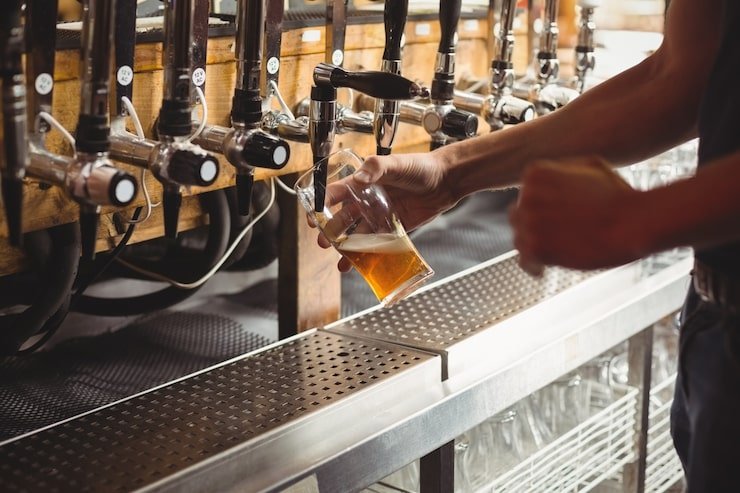
New Zealand's alcoholic drinks landscape continues to evolve as consumers increasingly seek premium beverages, craft products, and unique drinking experiences. The country is known for its high-quality wines, craft beers, premium spirits, and ready-to-drink (RTD) beverages, with local producers focusing on innovation, sustainability, and premiumization. Rising tourism, changing lifestyles, and growing demand for locally produced alcoholic beverages are encouraging manufacturers to diversify their offerings and invest in advanced production technologies.
According to the latest report by Markntel Advisor, the New Zealand Alcoholic Drinks Market was valued at USD 36.02 Billion in 2025 and is projected to reach USD 44.69 Billion by 2032, growing at a CAGR of 3.13% during the forecast period.
Premium and Craft Beverages Gain Popularity
Consumers across New Zealand are increasingly choosing premium wines, craft beers, artisanal spirits, and small-batch alcoholic beverages that offer distinctive flavors and high-quality ingredients. Craft breweries and boutique distilleries continue introducing innovative products that appeal to consumers seeking authentic and locally produced beverages.
Premium packaging, limited-edition releases, and unique flavor profiles are helping producers strengthen brand loyalty while attracting younger adult consumers.
The International Organisation of Vine and Wine (OIV) supports global research and innovation in the wine industry while promoting quality standards and sustainable production.
Ready-to-Drink Products Expand Consumer Choices
Ready-to-drink cocktails, flavored alcoholic beverages, and canned mixed drinks are becoming increasingly popular due to their convenience and variety. Manufacturers are responding by launching new flavors, premium formulations, and lower-alcohol alternatives designed to suit changing consumer preferences.
These products appeal to consumers seeking convenient beverage options for social gatherings, outdoor events, and casual occasions.
Sustainability Shapes Beverage Production
Environmental sustainability has become a strategic priority for many alcoholic beverage producers in New Zealand. Companies are investing in renewable energy, water conservation, lightweight packaging, recyclable materials, and sustainable sourcing practices to reduce their environmental footprint.
Consumers increasingly support brands that demonstrate responsible production practices alongside product quality, encouraging manufacturers to strengthen their sustainability initiatives.
The United Nations Environment Programme (UNEP) promotes sustainable manufacturing and responsible resource management across industries worldwide.
Tourism Supports Premium Beverage Experiences
New Zealand's tourism industry contributes significantly to demand for locally produced alcoholic beverages. Visitors frequently explore wineries, breweries, and distilleries through tasting experiences, vineyard tours, and food pairing events.
These tourism activities help producers showcase regional products while strengthening brand recognition in both domestic and international markets.
The UN Tourism highlights tourism's role in supporting local food and beverage industries through experiential travel.
Innovation Continues to Drive Product Development
Manufacturers continue investing in product innovation by introducing organic beverages, low-alcohol options, alcohol-free alternatives, and premium spirits that cater to changing consumer lifestyles. Continuous research into fermentation techniques, ingredient quality, and packaging solutions enables producers to remain competitive in a dynamic marketplace.
Innovation also supports greater product differentiation and expands opportunities within both domestic and export markets.
Quality Assurance Strengthens Consumer Confidence
Maintaining consistent quality remains essential throughout New Zealand's alcoholic beverage production. Manufacturers continue implementing advanced quality assurance systems, internationally recognized food safety standards, and rigorous production controls to ensure product consistency, safety, and premium quality.
Transparent labeling, regulatory compliance, and strict quality management help strengthen consumer confidence while supporting the global reputation of New Zealand's beverage producers.
The International Organization for Standardization (ISO) develops internationally recognized standards that support quality management, manufacturing excellence, and food safety across industries.
Conclusion
New Zealand's alcoholic drinks landscape continues to benefit from premiumization, craft beverage innovation, sustainable production, and evolving consumer preferences. Growing demand for high-quality wines, beers, spirits, and ready-to-drink beverages is encouraging manufacturers to invest in advanced production technologies, premium ingredients, and environmentally responsible operations.
As companies continue focusing on product innovation, quality assurance, and sustainable manufacturing practices, the country is well positioned to strengthen its reputation as a producer of premium alcoholic beverages while meeting changing consumer expectations in both domestic and international markets.
Tags : alcoholic drinks