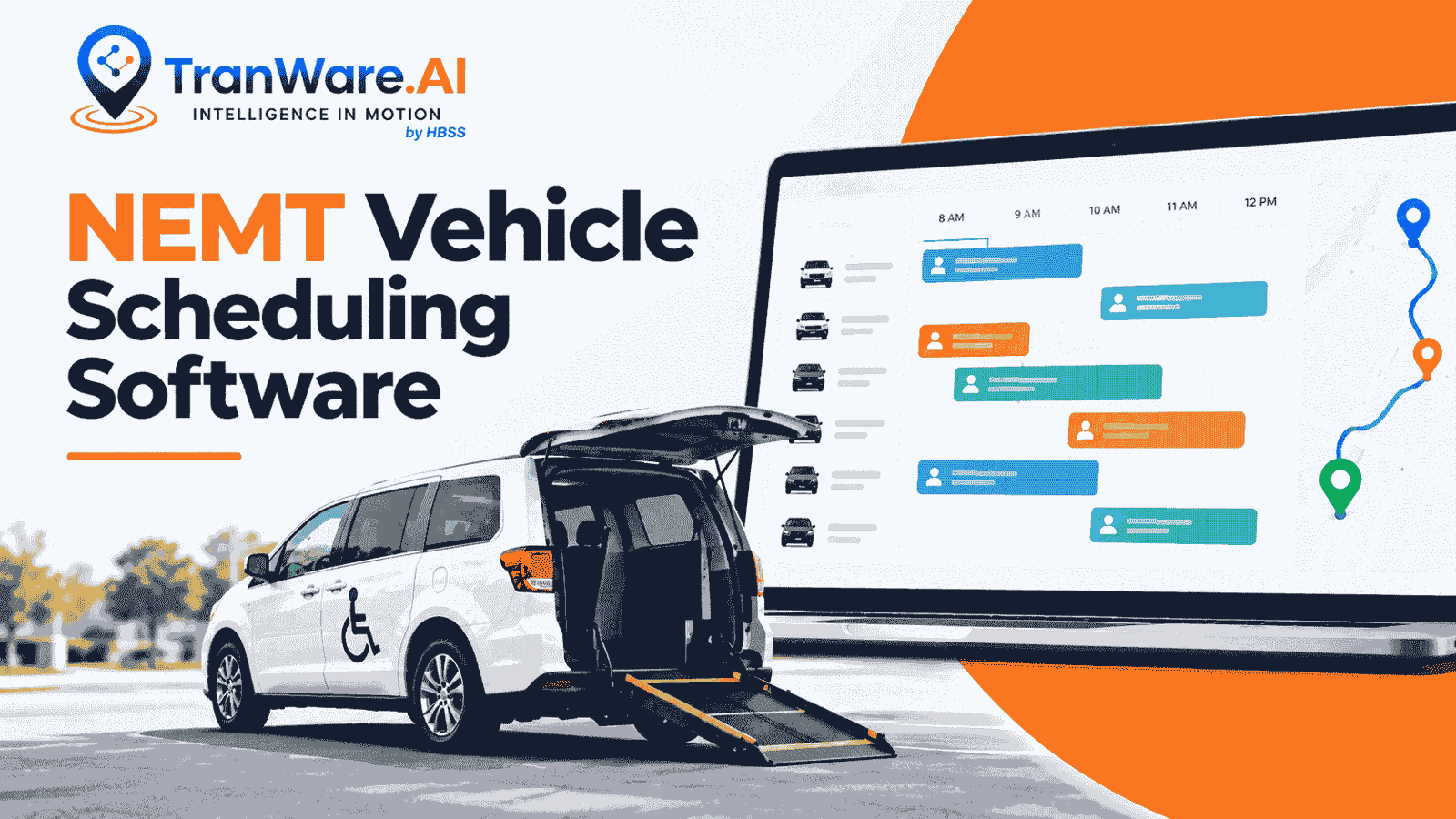
Non-emergency medical transportation (NEMT) providers need reliable systems to manage trip bookings, driver assignments, vehicle availability, and passenger requirements. As transportation operations grow, manual scheduling can become time-consuming and increase the risk of errors. NEMT vehicle scheduling software helps providers organize these tasks and improve daily operational efficiency.
Understanding NEMT Transportation Software
NEMT transportation software is designed to help providers manage the daily activities involved in non-emergency medical transportation. Depending on the platform, features may include trip booking, recurring ride scheduling, driver assignments, vehicle management, route planning, and reporting.
Using software for NEMT can help dispatchers manage changing schedules and monitor trip progress. It can also make it easier to organize passenger information, maintain trip records, and coordinate transportation resources.
When comparing software solutions, providers should consider their daily trip volume, fleet size, accessibility requirements, reporting needs, and integration options.
Benefits of Automated NEMT Scheduling
Manual scheduling can create problems when multiple trips, drivers, and vehicles must be coordinated throughout the day. Automated scheduling tools can help organize assignments based on available resources and configured operational requirements.
The best NEMT fleet software for automated scheduling should support efficient trip planning, driver availability, vehicle capacity, pickup and drop-off windows, and recurring transportation needs.
Route optimization is another important capability. It can help providers plan practical routes and coordinate multiple trips while considering travel distances, appointment times, and vehicle requirements. Dispatchers can then use this information to make better operational decisions.
Automation does not eliminate the need for human oversight. Dispatchers should still review assignments and handle exceptions, unexpected delays, and passenger-specific requirements.
Choosing the Best NEMT Software for Small Providers
Small transportation businesses often work with limited staff and budgets. They need technology that simplifies daily tasks without creating unnecessary complexity.
The best NEMT software for small providers should offer essential scheduling, dispatching, customer management, and reporting features. Easy-to-use interfaces, reliable support, and flexible pricing are also important considerations.
Small providers should evaluate whether the platform can support future growth. A solution that accommodates additional vehicles, drivers, and trips can reduce the need to change systems as the business expands.
Providers should also review mobile application capabilities, billing tools, and vehicle tracking to determine which features are most useful for their operations.
Best NEMT Fleet Software for Multi-Location Providers
Organizations operating across several locations face additional coordination challenges. Dispatch teams may need to manage different service areas, vehicle availability, driver schedules, and transportation requirements.
The best NEMT fleet software for multi-location providers should provide centralized visibility while allowing teams to manage location-specific workflows. Fleet tracking, consolidated reporting, scheduling controls, and configurable access can help organizations coordinate operations across different branches.
Fleet management features can also support preventive maintenance, digital vehicle inspections, incident reporting, and maintenance records. Keeping these activities organized can help operators monitor vehicle condition and plan maintenance more effectively.
Medical Transportation Scheduling Software for Brokers
Transportation providers working with brokers must coordinate trip requests, scheduling details, service requirements, and trip records. Non-emergency medical transportation scheduling software for brokers can help streamline these workflows when the platform supports the necessary integrations.
Before choosing a system, providers should confirm whether it integrates with their specific broker platforms and supports the required data exchange. They should also evaluate billing workflows, reporting, data security, and the ability to manage trip updates.
Reliable medical transportation scheduling software can help teams organize passenger information and maintain more consistent records. However, integration capabilities vary by vendor, so providers should verify individual requirements before making a decision.
End-to-End Paratransit Scheduling Software in North America
Paratransit operators often serve passengers who require accessible transportation and specialized trip coordination. End-to-end paratransit scheduling software in North America should support recurring trips, accessible vehicle assignments, route planning, dispatching, and operational reporting.
Providers may need to account for wheelchair-accessible vehicles, lift requirements, passenger assistance, and other configurable vehicle attributes. Scheduling tools should allow teams to match transportation resources with passenger needs.
Organizations with unique requirements may consider NEMT scheduling software custom solutions. Customization can help align workflows, reports, and integrations with specific business processes. Before investing in custom development, providers should identify essential requirements and compare them with the standard features already available.
Businesses searching for aviation management software for medical transport workflows should assess aviation-specific capabilities separately. Aviation transportation has different scheduling, safety, and operational requirements from conventional ground-based NEMT services.
How TranWare AI Supports Transportation Operations
TranWare AI provides transportation management solutions for NEMT, paratransit, public transportation, microtransit, and other fleet operations. Its platform includes scheduling and dispatching, route optimization, vehicle tracking, fleet maintenance, mobile applications, customer billing, payment processing, and AI-powered automation.
These capabilities help transportation organizations manage essential workflows within a connected software environment. Providers evaluating transportation technology can compare available features, integration options, scalability, and support to identify a solution that fits their operational needs.
Selecting the right software requires more than comparing feature lists. Transportation businesses should consider ease of use, implementation requirements, customer support, data security, and long-term operating costs.
Frequently Asked Questions
1. What is NEMT vehicle scheduling software?
It helps providers schedule medical transportation trips, assign drivers, and coordinate vehicles.
2. What is the best NEMT software for small providers?
The best option depends on budget, trip volume, scheduling needs, integrations, and scalability.
3. How does NEMT fleet software improve driver efficiency?
It supports better trip assignments, route planning, and vehicle utilization.
4. Can NEMT software support broker workflows?
Some platforms offer broker integrations. Providers should verify compatibility with their specific brokers.
5. What should providers look for in paratransit scheduling software?
Important features include accessible vehicle assignments, recurring trip management, route optimization, dispatching, and reporting.