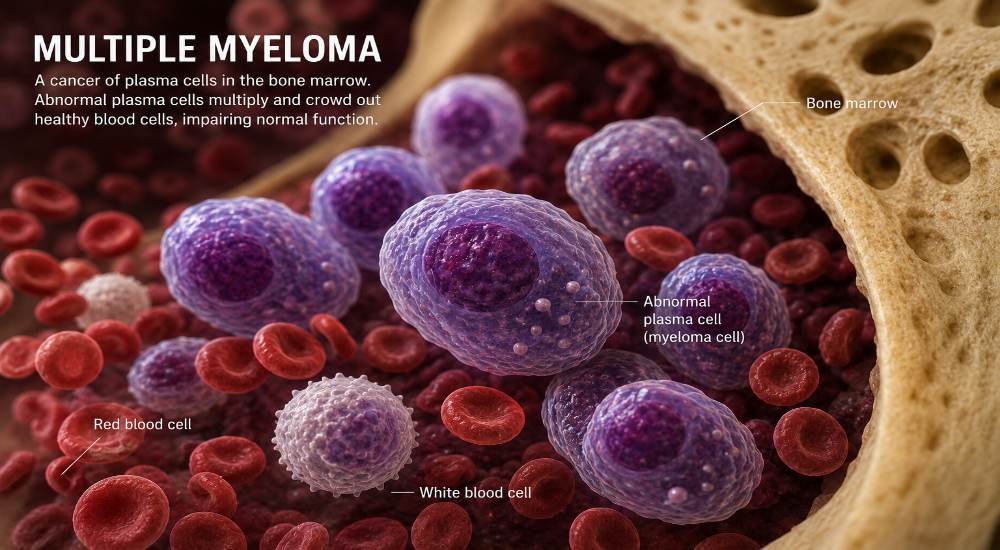
Multiple Myeloma Market is gaining increasing attention as healthcare systems continue to focus on early cancer detection and precision-based treatment approaches. Multiple myeloma, a cancer affecting plasma cells in the bone marrow, remains one of the more complex hematologic conditions due to its recurring nature and varied patient responses. As diagnostic technologies improve and awareness grows among healthcare providers, treatment pathways are gradually becoming more personalized and targeted. This shift is influencing how clinicians approach long-term disease management and supportive care strategies across different healthcare settings.
Understanding the Changing Landscape of Multiple Myeloma Care
Multiple myeloma treatment has evolved considerably over the last decade. Earlier treatment methods relied heavily on chemotherapy and stem cell transplantation, while newer approaches now integrate targeted therapies, immunotherapy, and combination treatment regimens. The increasing use of precision medicine is helping physicians better understand disease progression and tailor therapies according to patient-specific biomarkers.
The growing burden of blood-related cancers worldwide has also encouraged healthcare providers to strengthen diagnostic capabilities. Improved screening methods and laboratory testing are enabling earlier identification of abnormal plasma cell activity. As a result, patients are increasingly being diagnosed during earlier disease stages, allowing healthcare professionals to initiate treatment sooner and potentially improve long-term outcomes.
Why Early Detection Is Reshaping Treatment Decisions
Early detection plays a critical role in improving the management of multiple myeloma. Identifying the condition before severe organ damage develops can help reduce complications involving the kidneys, bones, and immune system. Healthcare providers are increasingly emphasizing routine blood testing, imaging technologies, and genetic profiling to detect abnormalities earlier in high-risk populations.
According to a study by MarkNtel Advisors, the Global Multiple Myeloma Market is projected to witness notable expansion during the forecast period, supported by increasing cancer awareness, advancements in oncology diagnostics, and rising adoption of targeted therapies. The growing focus on precision-based treatment planning is also contributing to stronger clinical outcomes and broader treatment accessibility in several healthcare systems worldwide.
In addition, healthcare organizations are investing in precision oncology and advanced diagnostic infrastructure to support faster disease identification. These developments are gradually transforming treatment pathways from generalized care models toward more personalized therapeutic approaches.
Advancements in Targeted Therapies and Immunotherapy
Modern multiple myeloma treatment increasingly relies on targeted therapies designed to attack cancer cells while minimizing damage to healthy tissues. Proteasome inhibitors, monoclonal antibodies, and immunomodulatory drugs have become essential components of contemporary treatment regimens. These therapies are helping improve disease control and extend progression-free survival for many patients.
Immunotherapy is also emerging as a significant area of development within oncology care. CAR-T cell therapy and bispecific antibodies are being explored to strengthen immune responses against cancer cells. Such innovations are opening new possibilities for patients with relapsed or treatment-resistant disease.
The growing adoption of molecular diagnostics is further supporting personalized treatment selection by helping clinicians identify genetic mutations and biomarkers linked to therapy response.
According to the National Cancer Institute, ongoing research in immunotherapy and targeted oncology treatments continues to improve understanding of blood cancers and may contribute to more individualized cancer care pathways in the coming years.
Regional Healthcare Investments Supporting Oncology Services
Healthcare investments across North America, Europe, and Asia-Pacific are contributing significantly to the expansion of oncology treatment infrastructure. Governments and private healthcare organizations are increasing funding for cancer research centers, specialized hospitals, and advanced laboratory services. This is helping improve patient access to specialized therapies and supportive care programs.
North America continues to represent a significant share of oncology innovation due to strong pharmaceutical research activity and the presence of advanced healthcare systems. Meanwhile, several countries in Asia-Pacific are strengthening cancer screening initiatives and expanding healthcare accessibility to address rising cancer incidence rates among aging populations.
Improved healthcare infrastructure is also supporting the integration of clinical pathology services and advanced imaging technologies into routine oncology workflows, enabling faster diagnosis and more effective treatment planning.
The World Health Organization highlights the importance of early diagnosis, timely treatment access, and healthcare system preparedness in reducing the global burden associated with cancer-related diseases.
Challenges Affecting Long-Term Disease Management
Despite ongoing advancements, several challenges continue to affect multiple myeloma care. High treatment costs, limited access to specialized therapies in developing regions, and the recurring nature of the disease remain significant concerns for healthcare providers and patients alike. Many advanced therapies require extensive monitoring and supportive care, increasing the overall economic burden on healthcare systems.
Additionally, treatment resistance continues to present complications in long-term disease management. Patients may eventually develop resistance to certain drug combinations, requiring physicians to continuously adapt therapeutic strategies. Managing treatment-related side effects such as infections, fatigue, and bone complications also remains an important aspect of patient care.
Healthcare organizations are therefore focusing on expanding access to supportive oncology services, patient education programs, and integrated care models that may help improve treatment adherence and overall quality of life.
According to the U.S. Food and Drug Administration, continuous innovation in oncology drug development and regulatory approvals is contributing to broader availability of advanced therapies for hematologic cancers.
Key Companies Contributing to Therapeutic Innovation
Several pharmaceutical and biotechnology companies are actively involved in developing advanced therapies for multiple myeloma. Research efforts are primarily focused on immunotherapy, targeted drug development, and combination treatment strategies designed to improve patient outcomes and reduce relapse rates.
Major companies operating within the Global Multiple Myeloma Market include Johnson & Johnson, Bristol Myers Squibb, Amgen Inc., Pfizer Inc., Sanofi, Takeda Pharmaceutical Company Limited, AbbVie Inc., Novartis AG, and GlaxoSmithKline plc. These organizations continue to invest in clinical trials, oncology research collaborations, and innovative treatment platforms aimed at improving long-term disease management.
As healthcare systems continue to prioritize cancer diagnostics and personalized medicine, multiple myeloma treatment pathways are expected to evolve further. The growing integration of targeted therapies, early detection technologies, and immunotherapy may continue shaping the future of oncology care while improving patient access to more individualized treatment solutions worldwide.