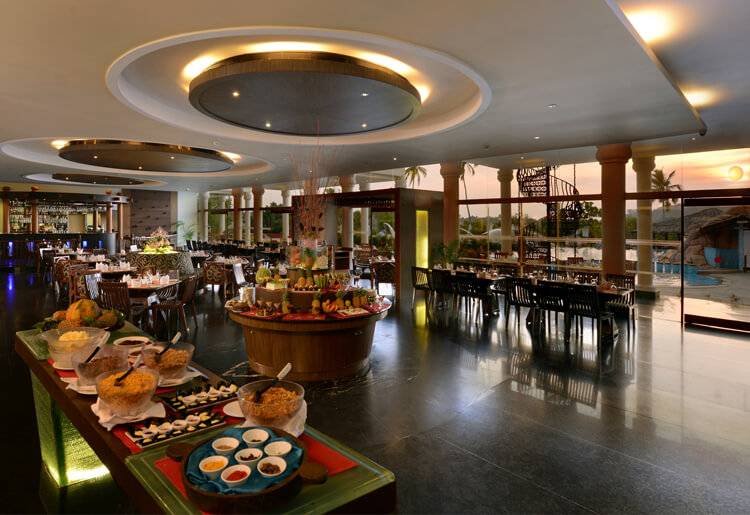
Goa is not a place that tolerates mediocrity at the table. The expectations that a local and a visitor bring to a meal are high, given that the food culture has been influenced by trade, migration, and the food available along the coastline, some of the best in India. The problem for a buffet restaurant in this setting is not just getting food on a counter but maintaining the freshness, relevance, and variety of the food over many meals and a long season of tourists, which lasts almost half the year without any rest.
So, most people are unaware of the science behind freshness and variety at a buffet. It may seem like a simple process on the serving line, but it's the result of thoughtfully selecting ingredients, planning menus for the kitchen, controlling the temperature of food, and always knowing who is in the dining room on any given day. It's a practice of the good buffet restaurants in Goa rather than a stroke of luck, as the customers turn so quickly, and the ingredients are exceptional and perishable.
We are beginning our study on Sources
It starts with a well-run Goa buffet sourcing. The state's fishing villages provide fresh catch daily, and the good restaurants have established direct links with the fishermen, avoiding the extra day or so in some cases in the supply chain that is experienced by the wholesale suppliers. It's a big deal in seafood: for example, the kingfish that are caught at 06:00 one day is clearly different from the fish that have been kept in cold storage for 36 hours.
Vegetable sourcing goes along the same lines. Buffet in Goa kitchens rely on local farms and market vendors to get their produce at the beginning of the day. Coconuts are massively used for coconut milk, grated flesh, and oil in the Goa cuisine and are produced fresh at the spot and not stored in the form of stock. Some of the ingredients of solkadhi, certain curries, kokum used in certain curries, mangoes used in chutney in the summer months, and banana flowers used in traditional preparation show what is in season — it is not what is convenient to be stored throughout the year.
This is about more than just quality; it's a commitment to local and seasonal sourcing. It is also a fresh approach. Ingredients that have been transported a short distance and have been harvested or caught on the same day do not need to be handled as carefully as ingredients from a long supply chain. Fresher food makes for shorter supply chains, and less intervention is needed for fresher food to turn out to be a good taste.
The Kitchen Schedule Behind the Counter
One of the most frequent misconceptions about buffet service is that the food is made in a single quantity and just restocked as the initial supply decreases. The actual operation of the kitchens of well-run buffets is a rotation of work in which meals are prepared at various times during the meal service.
Breakfast is prepared long before serving in the bigger hotel buffets in Goa. However, the most challenging part of the day is between breakfast and lunch, and lunch and dinner. Proteins are not fried as a full batch at the same time for the service. On the other hand, smaller portions are made on a regular basis so that serving counter food is never more than a few hours old. For gravies and curries that retain their shape better than dry, it is possible to prepare larger quantities, but these are still carried to the counter in smaller portions.
Temperature control is also vital. All licensed food service establishments know about the legal and practical need to keep hot foods at a certain temperature, but the better buffet restaurants in Goa do more than just keep hot foods above a certain temperature. Regularly, food items on trays are checked, and if they are out of the 'sweet time', they are taken away and replaced with fresh food, rather than being left to go bad over time. This rotation needs staffing and attention, but is the difference between a good-tasting buffet and an impressive one at the beginning of service, which quickly falls apart.
The diversity of the spread without losing its identity
At a buffet, it's a balancing act to manage variety. If you change something too much, your regular visitors will get bored. Too much change and the kitchen will lose efficiency and become more expensive, and the guest will lose the sense of the same menu, which he or she may rely on when deciding which restaurant to go to again.
This is managed in Goa by the more experienced buffet operators who have a core and rotation model. There are always a few dishes on the buffet, such as rice, dal, a typical Goan fish curry, a chicken dish, bread, and a standard salad area. These anchors establish the trust and confidence that repeat visitors look for, and are also a starting point for new visitors. These are anchored around the kitchen, which rotates dishes around them on a given schedule: a different preparation of vegetables daily, a different seafood preparation, a different chutney, a different pickle, and a different dessert.
Sometimes this rotation coincides directly with the sourcing process itself that takes place in the morning. When the day's catch is good for pomfret, it is used as the fish feature. Any leafy vegetables that have been imported from an unusual source in the area will be listed in the salad section. The menu adjusts itself to the fresh and available ingredients rather than dictates the rotation of the ingredients.
Reading the Room
Even the more attentive buffet restaurants in Goa also modify their buffets to cater to people who are eating. One day, when the restaurant is full of North Indians, the kitchen may decide to beef up its vegetarian menus and offer milder Goan dishes as well as Goan dishes in the same spice combination. With a large number of international visitors, the continental part could be slightly extended, and the use of shellfish and pork might be indicated on the labels.
This type of "awareness" is not written down in the majority of restaurants. It is communicated between the head chef and floor manager, who both have the knowledge and read the composition of the dining room, and communicate adjustments to the kitchen. After years in use, these judgments become second nature to them — and they are based on a real understanding of the variety of appetites among all those who come through the door.
Conclusion
Goa isn't known for too many restaurants or affordable prices. It's founded on the quality of their ingredients, the uniqueness of their cuisine, and the excellence of their hospitality, which the state's best operators have upheld over the generations. If that's the case, freshness and variety are not a restaurant's strong suit for pure veg resort in north Goa, and they do not promote freshness and variety. They are commitments to be fulfilled silently and steadfastly in each service.
With Goa still enjoying the tourist influx of couples seeking the ideal combination of natural beauty, a rich culture, and an event infrastructure that matches the standards of the world, the Resort Rio can still be seen as the benchmark with which the veg resorts in Goa can be considered when it comes to weddings. Couples intending to have a destination wedding in India are encouraged to download the Resort Rio Wedding Brochure and get in touch with the wedding planning team directly through the resort site.
Tags : buffet restaurants in Goa