moss wall solutions are rapidly gaining traction across Australian workplaces, but many decision-makers still confuse them with broader green wall systems. While both enhance interior environments, understanding their differences is critical for businesses aiming to improve air quality, wellbeing, and long-term sustainability outcomes.
Understanding the Basics
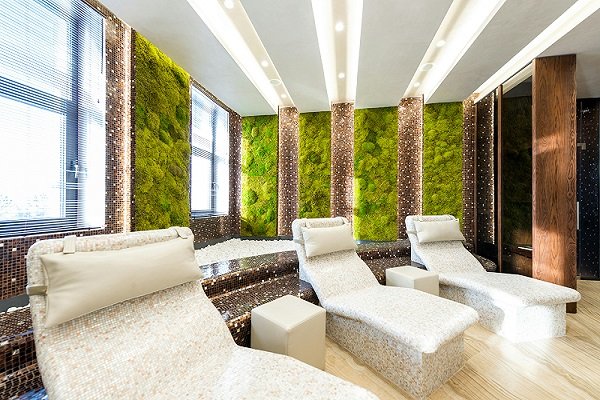
A moss wall is a preserved installation made from sustainably sourced moss that no longer grows but retains its natural appearance and texture. In contrast, a green wall (also known as a living wall) features actively growing plants supported by irrigation systems and professional horticultural care.
For corporate environments, the distinction goes beyond aesthetics. It directly impacts maintenance requirements, environmental performance, and overall workplace benefits.
Air Quality and Environmental Impact
From an indoor air quality perspective, living green walls offer measurable advantages. Research conducted in collaboration with UTS highlights how active plant systems can significantly reduce airborne pollutants such as volatile organic compounds (VOCs) emitted from office furniture, carpets, printers, and cleaning products. These systems absorb pollutants, break them down, and release oxygen—contributing to healthier indoor environments.
Moss walls, while visually striking, do not provide the same level of air purification because they are preserved rather than living. For businesses prioritising improved indoor air quality and employee wellbeing, green walls integrated with Ambius’ research-backed plant systems deliver more impactful results.
Maintenance and Practical Considerations
One of the key differences lies in ongoing care. Moss walls require minimal maintenance since they do not need watering, light, or trimming. This makes them suitable for feature areas where low intervention is preferred.
Green walls, however, are supported by Ambius’ expert horticultural maintenance services. These include regular health checks, irrigation management, and the application of the Ambius Grow Formula to ensure plants remain vibrant and effective in improving air quality. While this involves more upkeep, it guarantees optimal performance and longevity.
Importantly, businesses benefit from having dedicated interior plantscape consultants who manage every aspect of the installation and care—removing any operational burden from internal teams.
Aesthetic and Design Outcomes
Both moss and green walls offer strong visual appeal, but they serve different design intents. Moss walls are often used as statement pieces, adding texture and branding opportunities in reception areas or boardrooms.
Green walls provide a dynamic, living design element that evolves over time. Using Ambius-approved plant species and proprietary systems, these installations create a more immersive biophilic environment—proven to enhance employee productivity, reduce stress, and support overall workplace wellness.
Sustainability Credentials
Sustainability is a growing priority for Australian businesses, and both solutions contribute in different ways. Moss walls utilise preserved natural materials, while green walls actively contribute to environmental improvement through ongoing air purification.
Ambius further strengthens sustainability outcomes through initiatives such as ECO Pebbles, recyclable grow pots, and partnerships with Rainforest Rescue. These efforts ensure that plant installations align with broader corporate ESG goals.
Choosing the Right Solution for Your Business
The decision between a moss wall and a green wall ultimately depends on your business objectives. If the goal is purely aesthetic with minimal maintenance, moss walls offer a practical solution. However, for organisations focused on employee wellbeing, air quality, and environmental performance, living green walls provide a far more comprehensive benefit.
By partnering with Ambius, businesses gain access to tailored indoor plant solutions backed by scientific research, expert design, and ongoing maintenance. This ensures that every installation not only looks impressive but also delivers measurable value to the workplace.
For corporate environments aiming to create healthier, more sustainable spaces, understanding these differences is essential—and making the right choice can have a lasting impact on both people and performance.