Modernize Pharma Manufacturing Workflows With the Right Pharmaceutical Software Development Company
By Arobit Tech 27-08-2026 98
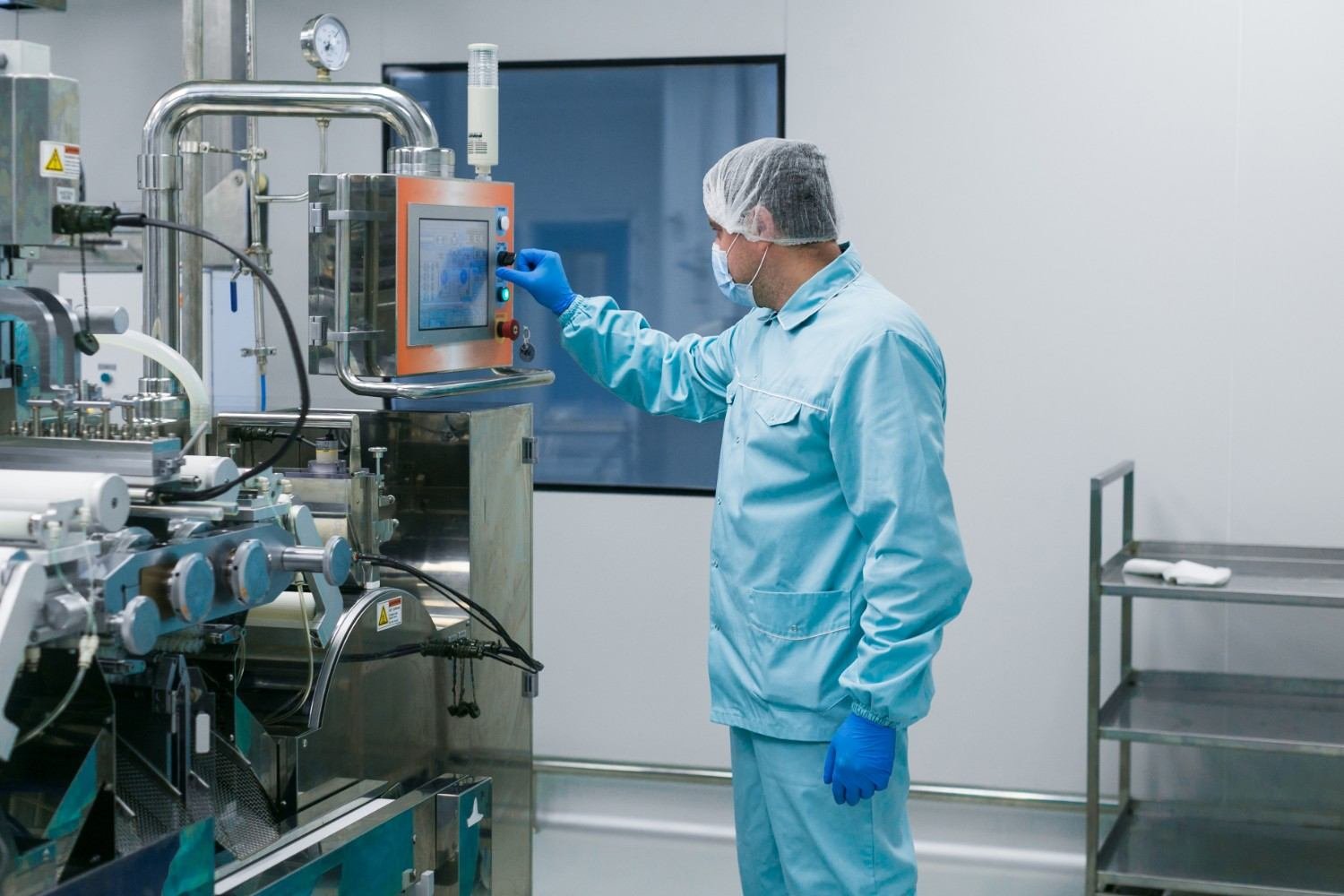
Pharma manufacturing is changing fast. Old systems, paper records, and manual checks slow down production and increase errors. The answer is simple. Companies need smart software that connects every step of manufacturing, from raw material tracking to final packaging. This article explains how the right technology partner can help pharma companies modernize their workflows, cut costs, and stay compliant with strict industry rules.
Why Choose a Pharmaceutical Software Development Company
A pharmaceutical software development company understands the unique needs of drug makers. Unlike general software vendors, these companies know regulatory requirements like FDA guidelines, GMP standards, and data integrity rules. They build tools that are not just functional but also audit ready.
Working with such a specialized partner means fewer compliance headaches. The software is designed with validation processes in mind from day one. This saves time during inspections and reduces the risk of costly penalties.
These companies also bring industry experience. They have already solved problems that many pharma manufacturers face, such as batch record errors, inventory mismatches, and slow reporting. That experience translates into faster, smarter solutions.
Common Problems in Traditional Pharma Manufacturing
Many pharma plants still rely on outdated methods. Some common issues include:
- Paper based batch records that are hard to track
- Manual data entry that leads to mistakes
- Disconnected systems between production and quality control
- Delayed reporting that slows down decision making
- Difficulty meeting audit and compliance deadlines
These problems cost time and money. They also increase the risk of product recalls, which can damage a company's reputation.
How Modern Software Solves These Challenges
Modern manufacturing software connects every department. Production, quality assurance, inventory, and compliance teams all work from one shared system. This minimizes misunderstandings and facilitates faster communication.
Real time data tracking is another major benefit. Managers can see exactly what is happening on the shop floor at any moment. If something goes wrong, they know immediately instead of finding out days later.
Automated documentation also plays a big role. Instead of filling out paper forms, workers record data directly into digital systems. This data is accurate, searchable, and ready for audits at any time.
The Role of IT Solutions for Pharmaceutical Industry
Good IT solutions for pharmaceutical industry needs go beyond simple software. They include cloud storage, secure data management, mobile access, and integration with lab equipment. These solutions help companies scale their operations without losing control over quality or compliance.
For example, cloud based systems allow multiple manufacturing sites to share data instantly. This is helpful for large pharma companies with plants in different locations. Everyone works with the same updated information, which reduces errors caused by outdated records.
Mobile access is also useful. Supervisors can check production status from anywhere. This flexibility helps them respond quickly to problems, even outside the factory.
Essential Features of Pharma Manufacturing Software to Consider
When choosing a software partner, pharma companies should look for these features:
- Batch record management with digital signatures
- Real time inventory and material tracking
- Automated compliance reporting
- Integration with existing lab and factory equipment
- Strong data security and backup systems
- Easy to use dashboards for quick decision making
A good development partner will customize these features based on the company's specific needs. Every pharma manufacturer is different, so a one size fits all approach rarely works well.
Benefits of Modernizing Manufacturing Workflows
Switching to modern software brings several clear benefits.
First, it improves accuracy. Automated processes help minimize human mistakes when entering data and performing calculations. This leads to fewer mistakes in batch records and quality checks.
Second, it saves time. Tasks that once took hours, like preparing compliance reports, can now be done in minutes. This gives teams more time to focus on important work.
Third, it strengthens compliance. Digital systems automatically track every step of the manufacturing process. This helps make audits quicker and more manageable.
Fourth, it improves decision making. Managers get real time insights into production performance. They can identify potential issues early and address them before they develop into major problems.
Choosing the Right Development Partner
Not every software company understands pharma manufacturing. Companies should choose a partner with proven experience in the pharmaceutical sector. Ask about past projects, client references, and knowledge of regulatory standards.
It is also beneficial to select a partner that provides continuous support. Software needs updates and maintenance over time. A reliable partner will be available for troubleshooting and future upgrades.
Communication matters too. The right partner listens to the company's specific challenges and builds solutions that fit, rather than pushing a generic product.
Conclusion
Modernizing pharma manufacturing is no longer optional. Companies that rely on outdated systems risk falling behind competitors who move faster and stay compliant more easily. Investing in strong IT solutions for manufacturing helps pharma companies improve accuracy, save time, and reduce compliance risks. Choosing the right software partner is the first step toward a smoother, smarter, and safer manufacturing process.
Frequently Asked Questions
Q1. Why do pharma companies need specialized software instead of general manufacturing tools?
Pharma manufacturing has strict regulatory requirements. Specialized software is built to handle compliance, batch tracking, and audit needs that general tools often miss.
Q2. How long does it take to implement new pharma manufacturing software?
Implementation timelines vary depending on the organization’s size and the complexity of its systems. Small scale projects may take a few months, while larger systems can take longer to fully integrate.
Q3. Is cloud based software safe for pharma manufacturing data?
Yes, when built correctly. Reputable software providers use strong encryption and secure servers to protect sensitive manufacturing and patient related data.
Q4. Can modern software help with FDA audits?
Yes. Digital record keeping and automated reporting make it easier to prepare for audits and respond quickly to regulator requests.
Q5. What is the biggest benefit of modernizing manufacturing workflows?
The biggest benefit is improved accuracy and faster decision making, which reduces errors and helps companies stay compliant with industry standards.