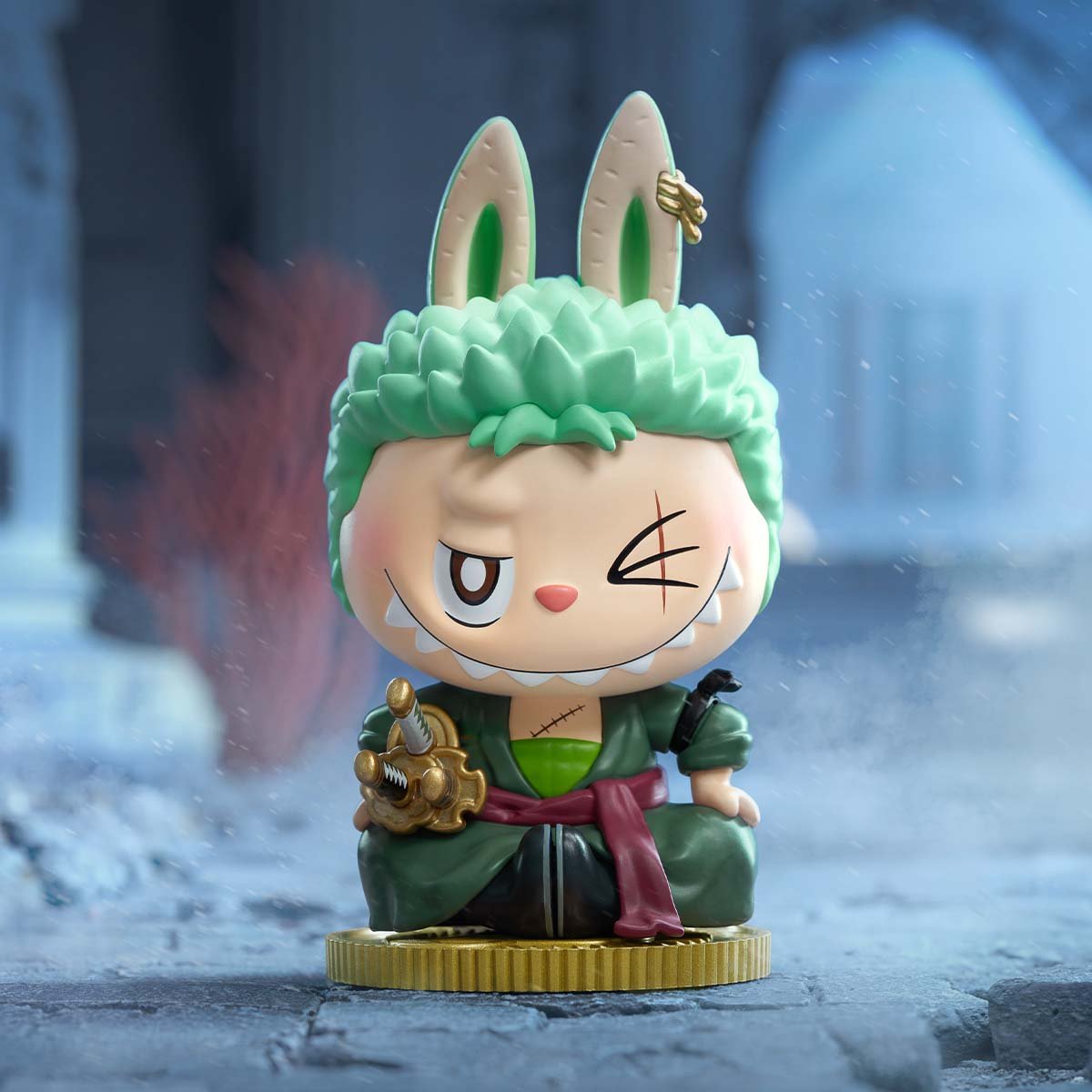
Mexican Handmade Labubu Dolls: A Vibrant Tradition of Art and Culture
Mexico is renowned for its rich and diverse cultural heritage, reflected in its vibrant textiles, intricate pottery, colorful murals, and handcrafted folk art. Among these treasured crafts, the handmade Labubu dolls stand out as captivating symbols of indigenous artistry, cultural identity, and creative expression. These charming, colorful dolls are more than mere decorative objects—they embody centuries-old traditions, community stories, and the artistry of Mexican artisans.
Origins and Cultural Roots
The tradition of making Labubu dolls traces back to indigenous communities across Mexico, particularly in regions like Oaxaca, Chiapas, Guerrero, and Puebla. These dolls are believed to have originated as ritual objects or talismans, used in ceremonies to ward off evil spirits, protect homes, or bring good luck and fertility. Over time, they evolved into more widespread folk art pieces, cherished for their vibrant designs and cultural symbolism.
Historically, these dolls were crafted using natural materials available locally—cotton, wool, plant fibers, and natural dyes. The artisans’ skills were passed down through generations, with each community developing its own distinctive style, embroidery techniques, and motifs reflecting local legends, beliefs, and environment.
The Art of Handmade Craftsmanship
What makes Mexican Labubu dolls truly special is the meticulous craftsmanship involved in their creation. Each doll is handcrafted with care, patience, and a deep understanding of traditional techniques. Artisans often spend hours embroidering faces, clothing, and accessories, using vibrant threads and natural dyes to produce bright, lively colors.
The construction process typically involves shaping the body from fabric or stuffing, then dressing it in traditional clothing—often embroidered shirts, skirts, or shawls—representative of local attire. The faces are usually embroidered with expressive features, conveying personality and emotion. Every detail, from the elaborate headdresses to the tiny accessories, reflects the artisan’s skill and cultural knowledge.
This dedication to craftsmanship ensures that each Labubu doll is a unique piece of art, embodying the community’s artistic identity. The dolls are often made by women artisans, whose skills and stories are woven into each stitch.
Cultural Significance and Symbolism
Mexican handmade Labubu dolls are rich in symbolism. They serve as cultural storytellers, representing local myths, religious beliefs, and social values. Their vibrant colors are believed to ward off evil, attract prosperity, and bring happiness.
Many dolls depict figures from indigenous mythology or traditional dress, making them portable representations of community identity. Some are designed as protective charms for homes or fields, while others are used in festivals and rituals to honor deities or ancestors.
Furthermore, these dolls often reflect social and cultural themes—such as gender roles, community unity, or historical events—making them powerful symbols of indigenous resilience and cultural pride.
A Reflection of Mexican Diversity
Mexico’s diverse indigenous groups each have their own style of Labubu dolls, making them a vibrant reflection of the country’s multicultural fabric. For instance:
- Oaxacan dolls are known for their intricate embroidery, colorful textiles, and traditional Zapotec or Mixtec motifs.
- Chiapas dolls often feature indigenous dress, with detailed facial embroidery and accessories that represent local customs.
- Guerrero dolls may incorporate more rustic materials and earthy tones, reflecting the region’s natural landscape and cultural practices.
This regional diversity adds to the richness of the craft and makes collecting Labubu dolls a journey through Mexico’s cultural landscape.
Supporting Artisans and Preserving Tradition
In recent years, the popularity of Mexican handmade Labubu dolls has grown internationally, which is a positive development for artisans and their communities. Purchasing these dolls directly from local artisans helps sustain traditional craft practices, supports economic development, and promotes the preservation of indigenous culture.
Many NGOs and fair trade organizations work to connect artisans with global markets, ensuring fair wages and ethical production. By choosing authentic, handmade Labubu dolls, collectors and enthusiasts contribute to the livelihood of artisans and help keep these vibrant traditions alive.
Why Labubu Dolls Make Perfect Collectibles
For collectors, , or anyone who appreciates handcrafted art, Mexican Labubu dolls are a wonderful addition to any collection. Their handcrafted nature, regional diversity, and cultural symbolism make each doll a meaningful piece.They are visually stunning—brightly colored, expressive, and full of character—making them ideal for display in homes, offices, or cultural exhibitions. Their portability allows collectors to gather a variety of styles from different regions, creating a colorful tapestry of Mexican folk art.Furthermore, these dolls are versatile as gifts or souvenirs, serving as tangible tokens of Mexican culture and craftsmanship.
Conclusion
Mexican handmade Labubu dolls are much more than charming decorative figures—they are vibrant expressions of Mexico’s cultural heritage, artisanal skill, and indigenous resilience. Each doll tells a story, embodies traditions, and reflects the community’s collective identity.In a world increasingly dominated by mass-produced items, these handcrafted dolls stand out as authentic, meaningful, and timeless pieces of art. Whether as a collector’s treasure, a cultural ambassador, or a gift that celebrates Mexican artistry, Labubu dolls continue to enchant and inspire all who appreciate the beauty of traditional craft.
Tags : Labubu