Understanding Membrane Sheets
Waterproofing plays an important role in protecting buildings from rainwater, moisture, humidity, and groundwater. Roofs, foundations, basements, terraces, and other exposed areas can develop leakage when water enters through cracks and joints. A suitable membrane system can create an additional protective barrier and help improve the durability of a structure.
What Is a Membrane Sheet
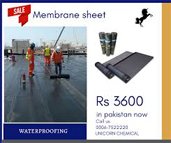
A membrane sheet is a flexible waterproofing material designed to provide a protective layer against water and moisture. Different membrane products are manufactured with specific materials, thicknesses, reinforcement, and surface finishes to meet different construction requirements. They can be used in roofing, foundations, underground structures, terraces, and other areas that require moisture protection.
How Membrane Sheets Work
Membrane sheets create a continuous barrier over a properly prepared surface, helping prevent water from passing through vulnerable areas. Depending on the product, installation may involve adhesives, heat application, mechanical fixing, or other approved methods. Correct overlaps and properly sealed joints are important for maintaining continuity across the waterproofing system.
Applications in Roofing
Roofing is one of the most common applications for waterproofing membranes because roofs are continuously exposed to rain, sunlight, and temperature changes. A suitable membrane can provide an additional waterproof layer over the roof surface. Proper attention to edges, joints, drainage outlets, and penetrations is essential for achieving effective protection.
Basement and Foundation Waterproofing
Basements and foundations can be exposed to groundwater and moisture from surrounding soil. Water may enter through construction joints, cracks, and other weak points if suitable protection is not provided. Membrane systems can be installed as part of a comprehensive waterproofing solution to help protect underground structures from moisture infiltration.
Benefits of Membrane Waterproofing
Quality membrane products can provide strong resistance to water penetration while offering flexibility and durability suitable for different construction applications. Depending on the material, membranes can also accommodate certain levels of surface movement. Their versatility makes them suitable for both new construction projects and selected waterproofing renovation applications.
Importance of Surface Preparation
Proper surface preparation is essential before installing a membrane sheet. The surface should be clean, stable, and free from dust, loose materials, oil, and other contaminants. Cracks, damaged areas, and uneven sections may need to be repaired before installation so the membrane can achieve proper contact with the surface.
Professional Installation
The performance of a membrane system depends greatly on correct installation. Professional installers can carefully manage overlaps, seams, corners, joints, drainage points, and pipe penetrations. Following the manufacturer's recommended installation procedure can help minimize weak areas and improve the reliability and service life of the waterproofing system.
Choosing the Right Membrane
Different projects require different membrane specifications. Factors such as thickness, reinforcement, flexibility, water exposure, temperature changes, surface type, and expected movement should be considered before selecting a product. Choosing a membrane that matches the specific requirements of the project can provide better performance and long-term value.
Long-Term Protection for Buildings
A properly selected and professionally installed membrane sheet can provide reliable protection against water infiltration in many types of structures. Regular inspections can help identify damaged areas, drainage problems, or other issues before they become serious. With quality materials, proper installation, and suitable maintenance, membrane waterproofing can support the long-term protection and durability of modern buildings.
Tags : membrane sheet