If you've spent any time in Jaipur's IT parks, government offices, or even running your own shop, you've probably noticed the same complaint coming up again and again a stiff neck by evening, a dull ache in the lower back, that heaviness in the shoulders after a long day at the desk. It's not just you. Over the past few years, we've spoken with dozens of customers across Jaipur who came in looking for a massage chair for exactly this reason, and the pattern is almost always the same: desk work, traffic, and not enough movement in between.
This article walks through what actually helps with back and neck pain when it comes to massage chairs, based on what we've seen work (and not work) for real buyers in Jaipur.
Why So Many Jaipur Residents Deal With This
Jaipur's work culture has shifted a lot in the last decade. More people are working desk jobs, spending hours commuting through areas like Tonk Road or the Ajmer Road stretch during peak traffic, and generally sitting far more than earlier generations did. Add in the summer heat, which makes people less inclined to walk or stretch outdoors, and you get a fairly predictable outcome: tight shoulders, a stiff neck, and a lower back that complains by the end of the day.
None of this is unique to Jaipur, but the specific mix of long commutes and desk-heavy jobs here does seem to push people toward looking for relief they can access daily, rather than booking a massage once a month.
What Actually Makes a Difference in a Massage Chair
Not every massage chair is built the same way, and if your main goal is relief rather than general relaxation, a few features matter more than others.
Track length. This is the one people overlook most. A chair with a full SL-track runs from the neck all the way down to the hips, which means the rollers can actually reach your lower back. Chairs with a shorter L-track often stop around the mid-back, which is fine for general use but won't do much if your pain sits lower down.
How the rollers move. Kneading and shiatsu-style movement feels closer to an actual massage than simple vibration. If you've ever tried a cheap chair that just buzzes, you'll know the difference the moment you sit in one with proper roller mechanics.
Airbags around the shoulders. A lot of people carry tension specifically in the shoulder area from hunching over a laptop or phone. Chairs with dedicated shoulder airbags apply steady pressure here, which tends to help more than people expect on the first try.
Heat. This one surprises a lot of first-time buyers. A few minutes of heat before the massage starts genuinely helps loosen tight muscles, making the rest of the session more effective. It's a small feature but a meaningful one.
Zero gravity recline. This position takes weight off your spine by distributing it more evenly. It's worth testing in person, since not every chair's recline angle feels the same — some genuinely feel weightless, others less so.
A Few Things We'd Tell Anyone Buying for This Reason Specifically
If relief is your priority over general relaxation, don't just compare prices — compare where the airbags actually sit and how far the track extends. Two chairs at similar price points can have very different coverage, and it's easy to miss this from a product listing alone. Sitting in the chair for at least five to ten minutes during a demo, rather than a quick 30-second try, usually tells you a lot more than the spec sheet does.
It's also worth being upfront with the salesperson about exactly where your pain is. A chair optimized for shoulder tension isn't always the best fit for someone whose main issue is lower back stiffness, and a good store should be able to point you toward the right model rather than just the most expensive one.
An Honest Note on What a Massage Chair Can and Can't Do
We've had customers ask if a massage chair can "fix" chronic back pain, and the honest answer is that it's not designed to. What it can do well is ease everyday muscle tightness, help you relax after a long day, and make ongoing stiffness more manageable as part of a daily routine. If your pain is sharp, radiates down your leg, or has been getting worse over time, that's a conversation for a doctor or physiotherapist, not a massage chair. We'd rather say this plainly than oversell what these chairs can do.
For general stiffness from sitting too long, though, consistent short sessions tend to make a real, noticeable difference over a few weeks — which is what most people buying for this reason are actually looking for.
Frequently Asked Questions
Can a massage chair really help with chronic back pain?
It can ease everyday muscle tightness and tension, but chronic or severe back pain is best evaluated by a doctor rather than managed through a massage chair alone.
How often should I use a massage chair for neck and back relief?
Short daily sessions of around 15-20 minutes tend to work better and feel safer than occasional long sessions.
What's the real difference between an L-track and SL-track for back relief?
An SL-track reaches down to the hips and lower back, while an L-track usually stops around the mid-back — a meaningful difference if your pain sits lower down.
Is heat therapy necessary for back and neck relief?
It's not essential, but it does help relax muscles before the massage starts, which many people find makes the session more effective.
Final Thoughts
If back and neck relief is the main reason you're considering a massage chair in Jaipur, pay closer attention to track length, airbag placement, and heat features than you would if you were buying purely for relaxation. These details matter more than the number of "auto programs" a chair advertises.
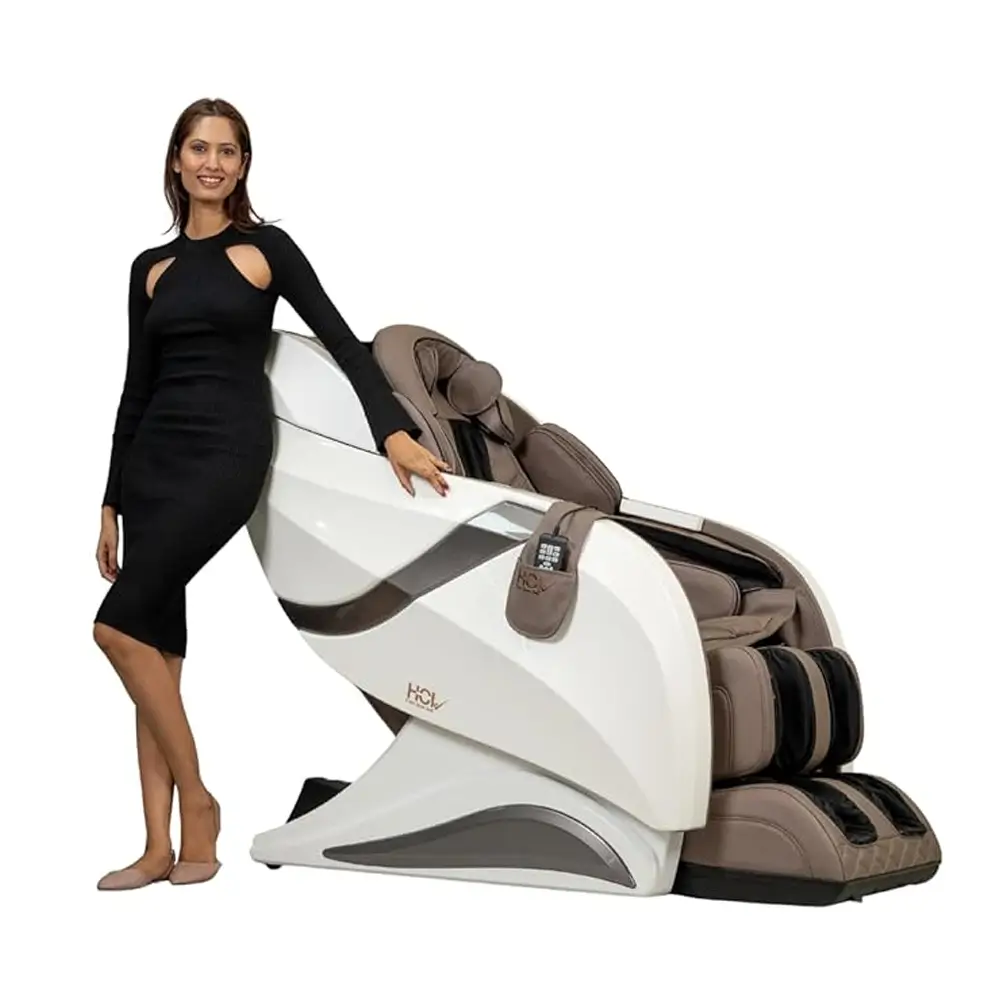
At HCI Massage Chair, we work with customers across Jaipur to find a chair that actually fits their specific pain points, not just their budget, and every chair comes with local warranty and service support so you're covered well after the purchase.
Tags : .....