Multifamily housing has to meet a higher standard than many other property types. Apartment communities, townhome developments, and mixed-use residential buildings must be attractive, durable, safe, and practical for daily use by many residents. That is why masonry continues to be an important part of multifamily construction.
From stair towers and perimeter walls to exterior accents and shared outdoor areas, masonry helps create communities that feel solid, long-lasting, and well designed.
Why Multifamily Projects Demand Durable Materials
Multifamily properties experience constant activity. Residents move in and out, delivery vehicles come and go, maintenance teams work year-round, and shared areas see daily use. Materials that work well in a single-family setting may not always perform as well in a high-traffic residential environment.
Masonry is valuable because it offers:
- Strong resistance to impact and wear
- Long-term structural reliability
- Low maintenance requirements
- Fire-resistant qualities
- Sound-reducing benefits
- A clean, finished appearance
For property owners and developers, those qualities can help reduce repair costs while improving the resident experience.
Common Masonry Applications in Multifamily Housing
Masonry can support both function and design across a residential development. It is often used in areas where strength, appearance, and longevity all matter.
Stair Towers and Structural Elements
Concrete masonry units are often used in stairwells, elevator shafts, and other core building areas because they provide strength and durability.
Perimeter and Privacy Walls
Masonry walls help define property boundaries, improve security, reduce noise, and create separation between public and private spaces.
Exterior Accents
Brick, stone, and decorative block can add character to building facades, leasing offices, clubhouses, and entryways.
Outdoor Amenity Areas
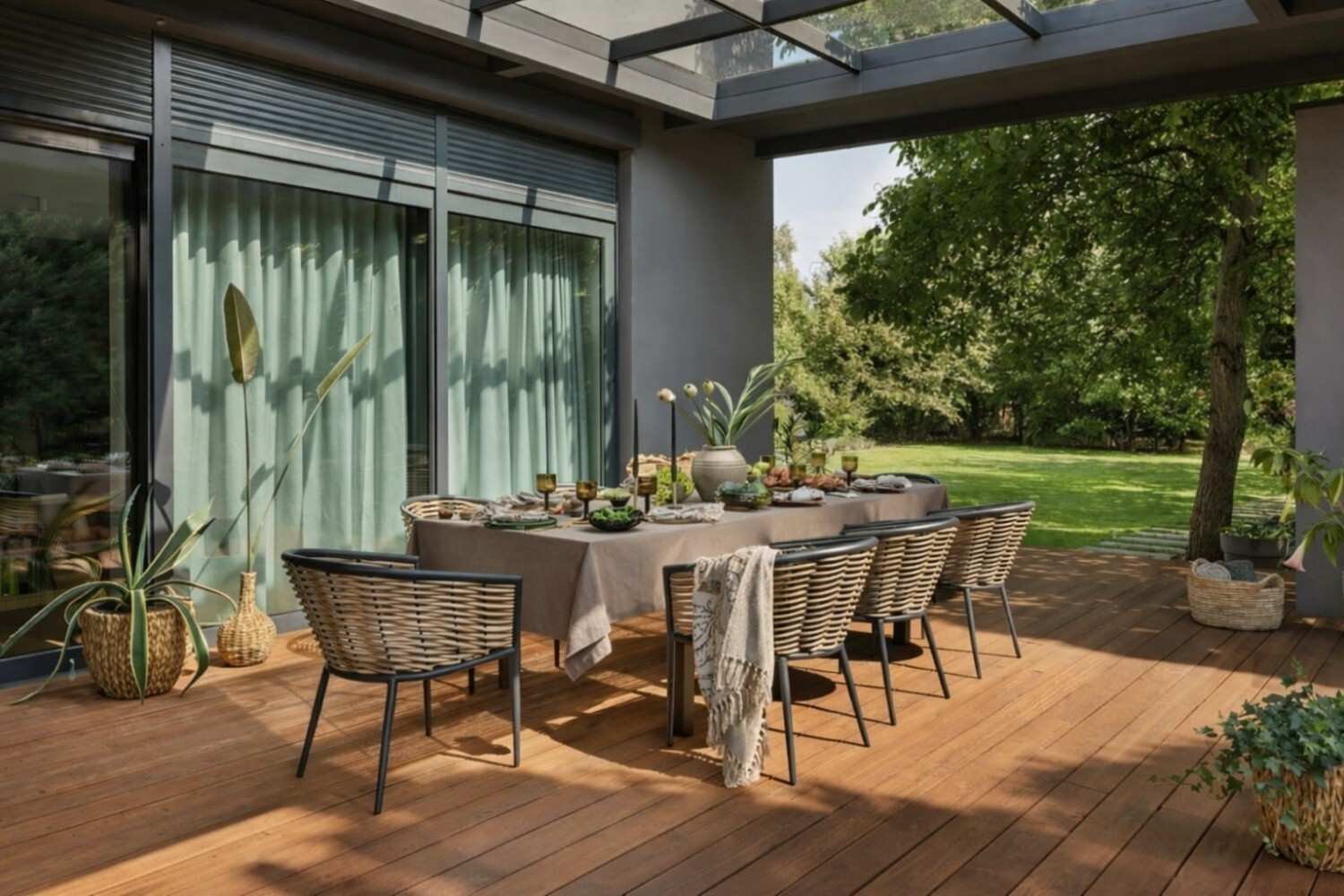
Pool areas, courtyards, seating walls, outdoor kitchens, and landscape features benefit from masonry because it holds up well in exposed environments.
The Importance of Regional Experience
Construction in Stockton and surrounding areas requires attention to climate, local development patterns, scheduling demands, and project coordination. Multifamily projects also involve many moving parts, including grading, utilities, framing, inspections, and finish trades.
Working with a multifamily masonry contractor Stockton CA can help project teams better align masonry planning with the realities of regional construction and multifamily development needs.
How Masonry Supports Long-Term Property Value
The true cost of a multifamily project is not limited to construction. Owners must also consider maintenance, repairs, tenant satisfaction, and long-term asset performance.
Masonry can support value by helping reduce:
- Frequent exterior repairs
- Damage in high-use areas
- Noise transfer between spaces
- Weather-related deterioration
- Premature replacement of site features
A development that looks better and performs better over time is easier to maintain and more appealing to residents.
Balancing Practicality With Curb Appeal
Durability does not have to mean plain design. Modern masonry offers a wide range of colors, textures, patterns, and finishes that can complement many architectural styles.
Multifamily communities can use masonry to create:
- Welcoming entrance monuments
- Decorative clubhouse facades
- Contemporary exterior accents
- Durable trash enclosures
- Attractive retaining walls
- Defined outdoor gathering spaces
These details help a property feel more complete and professionally planned.
Planning Masonry Early in the Project
The best results come when masonry is considered early in the design and construction process. Waiting too long can create avoidable conflicts with structural plans, site layout, drainage, or scheduling.
Before work begins, teams should review material choices, access points, wall locations, reinforcement needs, inspection timing, and coordination with other trades. Careful planning helps keep the project efficient while protecting quality.
Conclusion
Masonry remains a smart choice for multifamily construction because it brings together strength, durability, safety, and design flexibility. In active residential communities, these benefits matter every day.
For developers building in Stockton and nearby markets, well-planned masonry can help create multifamily properties that look polished, function reliably, and continue serving residents for many years.