Maskne No More: How an Acne Facial in Nanuet, NY Tackles Modern Breakout Triggers
By Rose Ela 26-09-2026 9
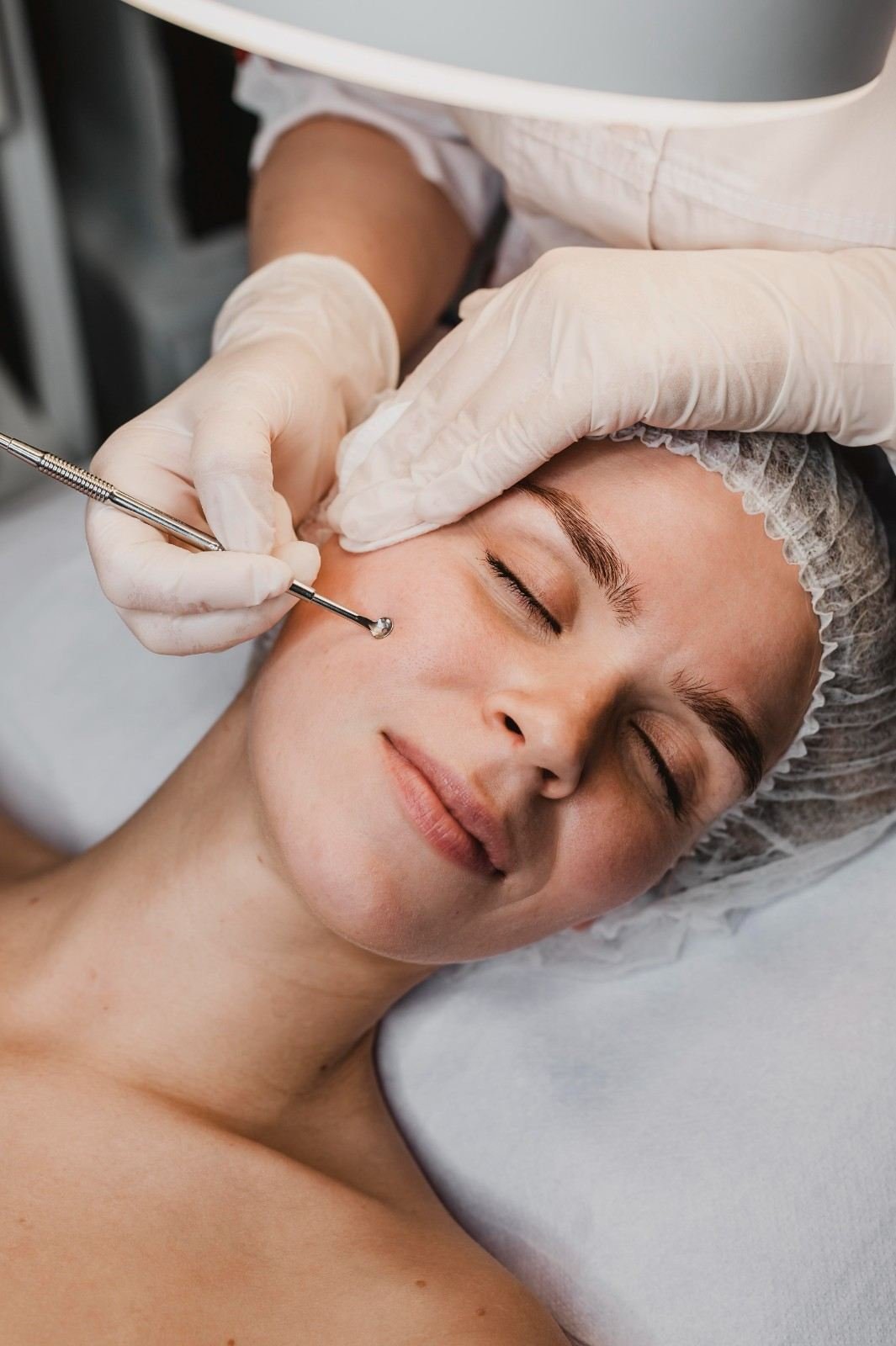
Breakouts on your chin, cheeks, and jawline can feel stubborn. Many people call this problem maskne. An acne facial in Nanuet, NY can help by cleaning your pores deeply, calming red skin, and guiding you toward a better routine. It works best when you pair it with simple habits at home. This guide explains what causes maskne, how a professional facial helps, and what you can do every day.
What Is Maskne?
Maskne is acne that shows up where a mask touches your skin. Heat, sweat, and rubbing are the main causes. Together, they can block pores and irritate the skin.
The word became popular during the pandemic. The problem did not go away, though. Helmets, chin straps, and sports gear can cause the same kind of breakouts.
Acne is also very common. The American Academy of Dermatology (AAD) states:
"Acne is the most common skin condition in the United States, affecting up to 50 million Americans annually."
So if you have maskne, you are far from alone.
Modern Breakout Triggers to Know
Today's triggers go beyond masks. Here are the most common ones:
- Friction: Straps, helmets, and tight fabric rub the skin and cause irritation.
- Sweat and heat: Trapped moisture can mix with oil and dead skin cells.
- Heavy makeup: Thick products can clog pores.
- Phone screens: A phone pressed to your cheek can transfer oil and dirt.
- Stress: Stress can make existing acne look worse.
- Harsh scrubbing: Rough scrubs can damage the skin barrier.
Knowing your triggers is the first step. It helps you and your skin expert choose the right plan.
How an Acne Facial Works
A good acne facial is gentle and planned around your skin. Most sessions follow these steps:
- Skin check: The esthetician looks at your skin and asks about your routine.
- Deep cleanse: Dirt, oil, and makeup are removed.
- Light exfoliation: Dead skin cells are cleared away.
- Safe extractions: A trained professional clears blocked pores with clean tools.
- Calming mask: Soothing ingredients reduce redness.
- Protection: Moisturizer and sunscreen finish the treatment.
A facial for acne-prone skin should never feel harsh or painful. If it does, speak up. Good care respects your skin barrier.
Why Professional Care Helps
Many people squeeze pimples at home. This can push bacteria deeper into the skin. It may also lead to scars and dark marks.
A trained esthetician knows how to remove clogged pores safely. They also match products to your skin type. Regular visits can help you spot problems early.
What to Expect Before and After
Before your visit, tell your esthetician about your skincare products and any prescriptions. Some acne medicines make the skin more sensitive.
After the facial, mild redness is normal. It usually settles soon. Avoid picking, heavy makeup, and harsh products for a day or two. Wear sunscreen every day.
A Simple Home Routine for Maskne
Professional care works best with steady habits. The AAD shares these tips for mask wearers:
- Wash your face with a mild, fragrance-free cleanser.
- Apply moisturizer right after washing.
- Skip makeup under a mask, or choose non-comedogenic products.
- Wash cloth masks often with fragrance-free detergent.
- Choose soft, breathable fabric such as cotton.
- Take a 15-minute mask break every four hours when it is safe.
- Avoid new harsh products, such as peels, while wearing a mask.
When to See a Dermatologist
Facials support your skin, but they do not replace medical care. See a dermatologist if your acne is painful, deep, or leaving scars. Also see one if it does not improve after several weeks of steady care. A doctor can offer prescription treatments that a facial cannot.
Final Thoughts
Maskne is common, and it is manageable. Know your triggers, keep your routine simple, and get help from trained professionals. A regular facial can add extra support and keep pores clearer. Book a visit with a licensed esthetician and ask for a plan built around your skin.
Frequently Asked Questions
Q1. What is maskne?
Maskne is acne caused by masks or similar gear. Friction, heat, and trapped sweat block pores and lead to pimples.
Q2. How often should I get an acne facial?
Many estheticians suggest a visit every four to six weeks. Your skin expert can set the right schedule for you.
Q3. Can a facial make acne worse?
Mild redness can happen after a facial. Harsh treatments may irritate acne-prone skin, so choose a licensed professional and share your skin history.
Q4. Is a facial safe if I take acne medicine?
Often yes, but you must tell your esthetician first. Some medicines make skin more sensitive, so treatments may need changes.
Q5. How long until I see results?
Skin often looks calmer within a few days. Lasting change usually takes several weeks of steady care at home.