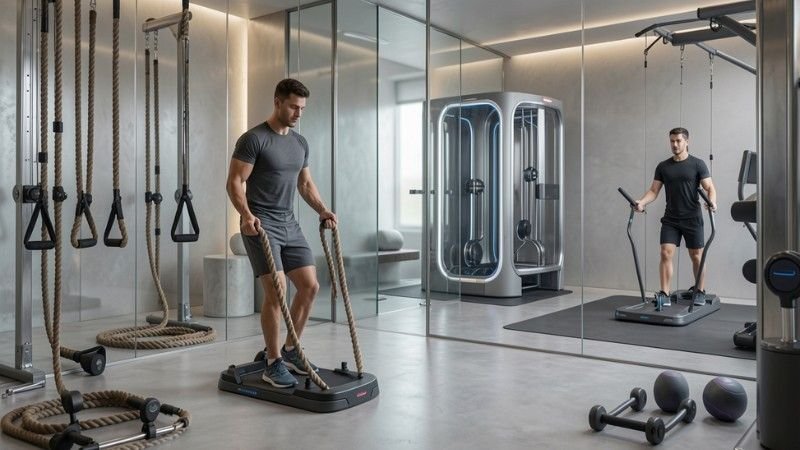
Recovery is no longer the “forgotten phase” of fitness—it has become a status symbol in modern wellness culture. What used to be an afterthought for professional athletes is now a central part of high-end training routines, boutique gyms, and even home fitness setups. From advanced compression systems to mobility tools and innovative training accessories, recovery equipment is redefining what it means to train smart, not just hard.
Today, brands like Cascade Fitness and tools such as the fitness rope trainer are leading this transformation, blending performance science with luxury fitness experiences.
1. The Evolution of Recovery in Modern Fitness
In the past, fitness was heavily focused on performance: lift heavier, run faster, push harder. Recovery was often limited to stretching, hydration, or rest days. However, modern sports science has completely reshaped this mindset.
Recovery is now understood as an essential part of progress. Muscle growth, injury prevention, and long-term performance all depend on how well the body recovers—not just how intensely it trains.
This shift has given rise to a new category of fitness investment: recovery equipment. Foam rollers, massage guns, infrared therapy tools, and mobility systems are now common in both elite and commercial fitness spaces.
But what’s more interesting is how recovery has moved beyond functionality and entered the world of luxury fitness culture.
2. From Athletes to Everyday Wellness Enthusiasts
Originally, advanced recovery tools were exclusive to professional athletes, physiotherapists, and sports rehabilitation centers. Olympic teams and elite trainers were the first to adopt technologies like compression boots, cryotherapy chambers, and assisted stretching systems.
Now, that exclusivity has changed.
Boutique fitness studios and premium gyms are offering recovery lounges equipped with high-end systems, and even home users are investing in compact versions of these technologies.
This democratization has created a new expectation: if you are serious about fitness, you are also serious about recovery.
Recovery has become a lifestyle choice, not just a medical necessity.
3. Why Recovery Equipment Became a Luxury Fitness Standard
The rise of recovery equipment as a luxury standard is driven by three major factors:
1. Performance Optimization
Fitness enthusiasts now understand that recovery directly impacts results. Better recovery means better strength gains, improved endurance, and reduced risk of injury.
2. Wellness Culture Growth
Modern wellness is holistic. It includes mental health, sleep quality, mobility, and stress management. Recovery tools support all of these areas, making them highly desirable.
3. Aesthetic and Lifestyle Appeal
High-end recovery equipment is not just functional—it’s visually appealing and often designed to match premium gym aesthetics. Owning such tools signals a commitment to a serious fitness lifestyle.
This combination of performance, wellness, and lifestyle branding has elevated recovery equipment into a luxury category.
4. The Role of Cascade Fitness in Modern Recovery Trends
One of the emerging names in this space is Cascade Fitness, which represents the new wave of integrated fitness and recovery solutions.
Rather than focusing only on traditional training tools, Cascade Fitness emphasizes systems that support the entire fitness cycle—training, recovery, and long-term body maintenance.
Their approach reflects a broader industry shift: fitness is no longer a single activity but a continuous performance loop.
In this ecosystem, recovery is not optional. It is engineered into the training experience itself.
Cascade Fitness-style systems often integrate mobility work, resistance training, and recovery-focused accessories, making them appealing to both athletes and high-end fitness consumers.
This is why brands like this are becoming associated with premium fitness environments.
5. Fitness Rope Trainer: A Functional Recovery Revolution
One of the most underrated yet powerful tools in modern fitness recovery is the fitness rope trainer.
At first glance, it may look like a simple training rope system, but its impact goes far beyond strength conditioning.
How it supports recovery:
- Low-impact resistance training: Helps maintain muscle activity without overloading joints
- Mobility improvement: Encourages full-body movement patterns that reduce stiffness
- Active recovery integration: Allows athletes to stay active on rest days without strain
- Core stabilization: Strengthens stabilizing muscles that support injury prevention
Unlike static recovery methods, rope training introduces dynamic movement, which keeps the body engaged while still promoting recovery.
In luxury fitness settings, rope trainers are often included in functional training zones, blending seamlessly with recovery circuits.
This combination of performance and rehabilitation makes the fitness rope trainer a standout tool in modern wellness environments.
6. The Psychology Behind Luxury Recovery Fitness
Why are people willing to invest heavily in recovery tools?
The answer lies in psychology.
Modern fitness culture is driven by measurable progress and visible commitment. Recovery tools provide both:
- They signal discipline and professionalism
- They show investment in long-term health
- They enhance the perceived value of a fitness lifestyle
There is also a growing awareness that burnout and overtraining can sabotage fitness goals. As a result, recovery is now seen as intelligent training rather than passive rest.
Luxury fitness brands have capitalized on this mindset by turning recovery into an experience—something immersive, structured, and even enjoyable.
7. Technology and Innovation in Recovery Equipment
Another major reason recovery equipment has become a luxury standard is technological advancement.
Modern recovery tools are no longer basic or manual. They now include:
- Smart compression systems with adjustable pressure levels
- Infrared and heat therapy integration
- App-controlled mobility devices
- AI-assisted recovery tracking
These innovations allow users to personalize their recovery routines, making them more efficient and data-driven.
In high-end fitness spaces, recovery is now monitored just like training. Metrics such as muscle fatigue, oxygen levels, and movement quality are used to optimize rest strategies.
This level of precision is what separates luxury recovery systems from traditional methods.
8. The Future of Recovery in Fitness Culture
The future of fitness is not just about pushing limits—it is about sustaining performance over time.
Recovery equipment will continue to evolve in three key directions:
1. Integration into Training Systems
Recovery will no longer be separate. It will be built into workouts through hybrid machines and smart systems.
2. Increased Accessibility
As demand grows, more affordable versions of luxury recovery tools will enter the mainstream market.
3. Personalized Recovery Ecosystems
Users will have fully customized recovery plans based on real-time body data and AI recommendations.
Brands like Cascade Fitness are already moving toward this integrated future, where training and recovery are part of one seamless system.
Conclusion: Recovery as the New Luxury Standard
Recovery is no longer optional, secondary, or purely medical—it is now a core pillar of modern fitness culture. The rise of advanced tools, innovative systems, and wellness-focused brands has transformed recovery into a luxury experience.
Whether it’s through high-performance ecosystems like Cascade Fitness or functional tools like the fitness rope trainer, the message is clear: smart recovery is the new definition of elite fitness.
In today’s world, the real luxury is not just working harder—but recovering smarter.
Tags : .....