Logistics Software Development Success Powered by Tarun Nagar and Dev Technosys
By Aarti Jangid 16-07-2026 59
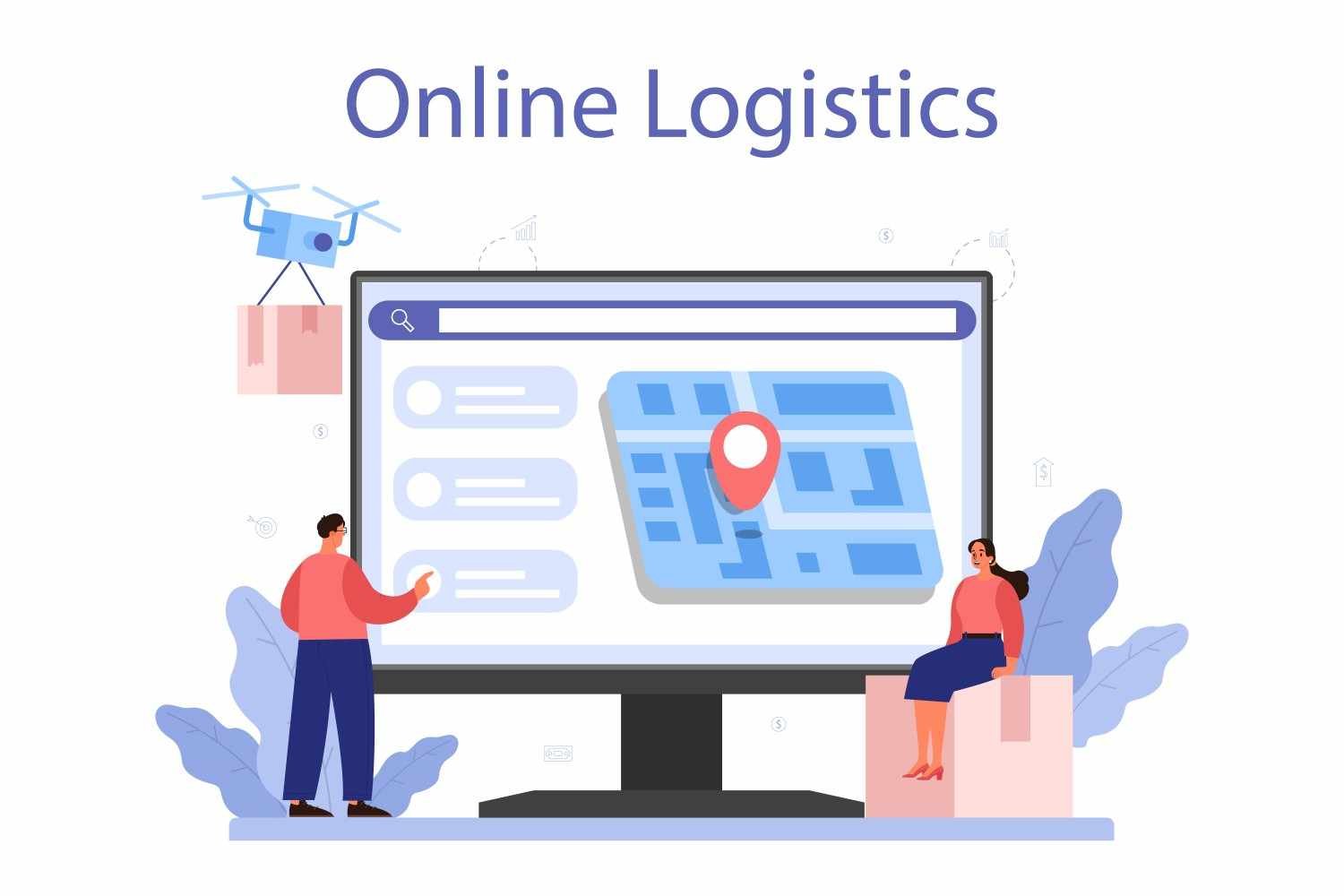
Introduction
The logistics industry is experiencing one of the biggest digital transformations in its history. Rising customer expectations, same-day delivery, AI-driven automation, and real-time tracking have pushed businesses to rethink how they manage supply chains and transportation. Companies are increasingly investing in advanced logistics software to improve operational efficiency, reduce delivery delays, and create seamless customer experiences.
To understand these evolving trends, we spoke with Tarun Nagar, Founder and CEO of Dev Technosys, a globally recognized software development company known for delivering innovative logistics, transportation, and supply chain solutions. In this exclusive interview, Tarun shares his insights on emerging technologies, market trends, and the future of logistics software development.
Q1. Logistics technology is evolving rapidly. What major changes are you seeing in the industry?
Tarun Nagar:
The logistics sector has shifted from manual operations to intelligent digital ecosystems. Businesses are no longer looking for basic transportation management systems—they want end-to-end platforms that connect warehouses, delivery fleets, customers, and analytics in real time.
Artificial intelligence, IoT, cloud computing, predictive analytics, and automation have become essential components of modern logistics software. Organizations now rely on digital platforms to optimize routes, reduce operational costs, improve delivery accuracy, and enhance customer satisfaction.
At Dev Technosys, we've seen growing demand from startups as well as enterprises seeking customized solutions rather than off-the-shelf software.
Q2. What makes Dev Technosys a trusted technology partner for logistics businesses?
Tarun Nagar:
Our approach begins with understanding the client's business model before writing a single line of code. Every logistics company has unique workflows, whether it's freight transportation, courier delivery, warehouse management, or fleet operations.
We build scalable software tailored to those specific needs. Our experienced development teams combine strong technical expertise with industry knowledge, ensuring every product delivers measurable business value.
Beyond development, we also provide consulting, UI/UX design, cloud deployment, maintenance, and continuous product improvement.
Q3. Many businesses are concerned about investment. What factors influence logistics software pricing?
Tarun Nagar:
One of the first questions clients ask is about the logistics app development cost. The answer depends on several factors, including application complexity, supported platforms, user roles, third-party integrations, cloud infrastructure, security requirements, AI capabilities, and overall scalability.
Rather than focusing solely on initial development expenses, businesses should evaluate long-term return on investment. A well-designed logistics platform can significantly reduce operational costs while increasing efficiency and customer satisfaction.
Q4. How is artificial intelligence transforming logistics software?
Tarun Nagar:
Artificial intelligence is changing nearly every aspect of logistics operations. AI enables demand forecasting, route optimization, predictive maintenance, automated scheduling, warehouse automation, and intelligent customer support.
Instead of reacting to operational challenges, logistics companies can now predict them before they occur. This improves planning, reduces downtime, and creates a much more responsive supply chain.
At Dev Technosys, AI integration has become a standard recommendation for clients seeking long-term scalability.
Q5. Blockchain has become a popular technology. What role does it play in logistics?
Tarun Nagar:
Blockchain brings transparency and trust to logistics ecosystems. Every transaction can be securely recorded, verified, and shared across multiple stakeholders without the risk of unauthorized modifications.
A blockchain platform for supply chain management helps businesses improve product traceability, verify shipment authenticity, reduce fraud, and simplify compliance with regulatory requirements. As global supply chains become more complex, blockchain will continue to play a significant role in improving operational transparency.
Q6. What advice would you give startups entering the logistics industry?
Tarun Nagar:
Startups should avoid trying to build every possible feature in the first version of their product. Instead, they should focus on solving one specific logistics problem exceptionally well.
Launching an MVP allows businesses to validate ideas, gather user feedback, and improve the platform based on real customer needs. This approach minimizes risk while accelerating time to market.
Equally important is selecting a technology partner with experience in scalable software architecture, cloud infrastructure, and long-term product evolution.
Q7. Courier delivery apps have become increasingly popular. What are businesses looking for today?
Tarun Nagar:
The courier industry has evolved significantly over the past few years. Customers now expect real-time tracking, instant notifications, digital payments, estimated delivery times, and seamless communication with delivery personnel. Businesses, on the other hand, require intelligent dashboards, route optimization, fleet management, and analytics to improve operational efficiency.
Many entrepreneurs approach us with requests to build a courier delivery app like UPS, as they admire its reliability and advanced logistics ecosystem. While every business has unique requirements, the key is developing a solution tailored to the target audience rather than replicating an existing platform. Customization creates a stronger competitive advantage and better customer experience.
Q8. What trends are shaping the future of logistics software development?
Tarun Nagar:
The future belongs to intelligent and connected logistics ecosystems. We are witnessing rapid adoption of AI-powered automation, cloud-native applications, Internet of Things (IoT), predictive analytics, autonomous delivery technologies, and sustainable logistics practices.
Businesses are investing in software that offers complete visibility across the supply chain while enabling faster decision-making. Digital twins, machine learning, and automated warehouse systems are no longer experimental technologies—they are becoming mainstream.
At Dev Technosys, we continuously invest in emerging technologies so our clients remain competitive in a rapidly changing market.
Q9. Many startups want to build logistics marketplaces. What challenges do they usually face?
Tarun Nagar:
Marketplace platforms require careful planning because they connect multiple stakeholders, including customers, drivers, fleet owners, and administrators. Security, scalability, payment processing, and real-time synchronization are all critical components.
For example, businesses planning to develop a logistics app like GoShare must focus on user-friendly interfaces, efficient booking systems, transparent pricing models, GPS tracking, and scalable backend infrastructure. Success depends on delivering a seamless experience for every participant in the logistics network.
Q10. How important is long-term budgeting when developing logistics software?
Tarun Nagar:
Development is only one phase of the software lifecycle. Businesses should also consider future upgrades, cloud hosting, cybersecurity, feature enhancements, technical support, and infrastructure scaling.
Clients frequently ask about the logistics management software development cost, but it's equally important to evaluate the total cost of ownership over several years. Investing in a scalable architecture from the beginning often reduces long-term expenses while making future enhancements easier and more cost-effective.
Q11. What advice would you give businesses launching courier delivery platforms?
Tarun Nagar:
Every successful courier platform begins by understanding customer expectations. Speed, transparency, reliability, and convenience are the primary factors driving user adoption.
Many companies want to develop a courier delivery app like Wefast because of its efficient on-demand delivery model. However, businesses should avoid copying competitors directly. Instead, they should identify market gaps and introduce features that solve real customer problems. Innovation, not imitation, is what builds sustainable growth.
Q12. Finally, what is your vision for the future of logistics software development?
Tarun Nagar:
The logistics industry will continue to become smarter, faster, and more connected. Businesses that embrace digital transformation today will be better positioned to meet tomorrow's challenges.
At Dev Technosys, our vision is to create intelligent software solutions that simplify logistics operations, improve customer experiences, and empower businesses to scale confidently. We believe the next generation of logistics platforms will combine AI, cloud computing, automation, IoT, and data intelligence to create highly efficient supply chains.
Technology is no longer just a support function—it is the foundation of business growth. Our goal is to help organizations leverage innovation to remain competitive in an increasingly digital world.
Conclusion
As logistics continues to evolve, businesses need more than just software—they need strategic technology partners capable of delivering secure, scalable, and future-ready digital solutions. Throughout this conversation, Tarun Nagar highlighted how innovation, customer-centric design, and emerging technologies are reshaping the logistics landscape.
From intelligent route optimization and AI-driven automation to blockchain integration and cloud-native architectures, modern logistics platforms are enabling organizations to operate with greater efficiency and transparency. Companies that invest in customized software today will be better equipped to meet rising customer expectations and adapt to future market demands.
With years of expertise in developing logistics, transportation, and supply chain solutions, Dev Technosys continues to help startups, SMEs, and enterprises build digital products that drive operational excellence. Whether businesses are planning enterprise logistics platforms or niche delivery solutions, choosing the right technology partner remains the key to long-term success.