Latin America Furniture Market: How Urbanization, E-Commerce, and Personalization Are Reshaping Industry Growth
By Jackson Harris 25-02-2026 178
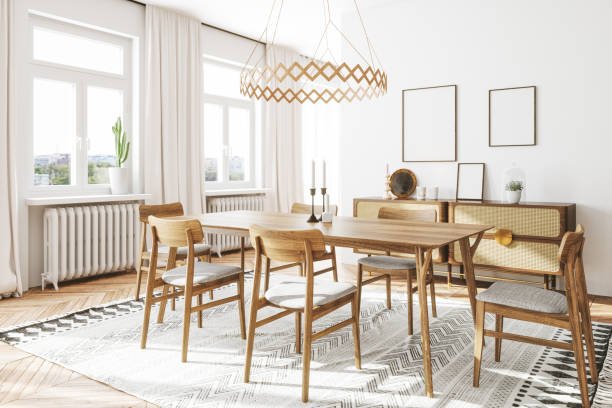
The Latin American furniture market is experiencing gradual reorientation, which is influenced by the demographic changes, residential growth and redefined consumer values. The development of furniture has changed the standard of a mere need within a household to a necessity in interior designs, efficiency at workplaces and even hospitality designs. According to the research article published by MarkNtel Advisors, the Latin America furniture market is estimated to be approximately USD 34.6 billion in 2024 and it is projected to be around USD 44 billion in 2030, with a CAGR of approximately 4 in 2025-2030. Such expansion is an indication of structural economic factors as well as changing lifestyle preferences throughout the region.
Housing Expansion and Real Estate Activity Supporting Furniture Demand
The growth of the residential real estate is also among the key factors influencing furniture demand in the Latin American market. Recently constructed apartments and homes have to be furnished in the living rooms, bedrooms, kitchens, and even home offices, with a steady demand of beds, sofas, chairs, and storage units. A good example is Brazil that registered a significant growth in new housing sales in 2023 indicating high housing activity and purchase of related furniture.
The demand of furniture is directly associated with the movement of occupancy in residential buildings, and the increase in home stock directly reflects to interior products demand. Residential market is the largest contributor to the furniture consumption in the area, with 66 percent and is justified by the large population of households and the continuous urbanization process. The population migration into urban centers and a growing number of middle-income citizens have boosted the homeownership and the use of apartments, strengthening the long-term outlook of the furniture market in the key Latin American economies.
Workplace Expansion and Commercial Infrastructure Development
With the infrastructure development of the commercial sphere, residential use is not the only sphere that determines the demand of furniture. The office expansion, educational facilities, and hospitality venues need special furniture including the desks, ergonomic chairs, conference tables, and storage systems. Increased demand of office furniture has also been due to the development of fintech companies and corporate offices in some countries like Brazil.
The growth of hospitality industry has also necessitated the need to find personalized and long lasting furniture. The tourism sector in Latin America registered USD 62.1 billion in revenue in 2023, which is indicative of high visitor flows to major tourist destinations. Furniture usage in hotels, restaurants, and resorts to better the experience of the guests and to sustain operational quality reinforced the consumption of commercial-segments furniture.
The Rapid Rise of E-Commerce and Online Furniture Sales
E-commerce is now a significant distribution channel to furniture in Latin America. In 2023, the area registered a figure of over 300 million online shoppers and the e-commerce revenue was projected to be about USD 138 billion by the close of the year 2024. This online change has increased consumerism access to furniture products other than the traditional retail outlets.
The internet has provided consumers with the opportunity to view design, material and price comparisons and make informed purchases. Buyers have been able to easily assess the suitability of furniture by using digital catalogs and visualization tools without necessarily visiting physical stores. With the rise in the level of logistics networks and the growth of online payment systems, digital retail has been strengthened to play an even larger role in furniture distribution.
Rising Interest in Premium and Aesthetic Home Interiors
Furniture perception has changed due to the consumer perception towards aesthetics and personalizing. Furniture is nowadays perceived more as a continuation of individual identity and lifestyle as opposed to a mere practical need. Increasing disposable income rates in the economies like Brazil have contributed to the purchasing of the superior interior decor and the furniture products of higher quality.
The existence of many interior design companies in the area supports this trend by advocating unique home designs and the latest models of furniture. The needs of consumers have changed towards comfort, durability, and compatibility with interior themes, which are driving demand in a variety of product categories and increased value products.
Customization and Technology-Driven Furniture Design
The tailor-made furniture has become one of the key trends transforming the furniture business. Consumers are becoming increasingly demanding in terms of the furniture that can fit the space of the room, the color patterns and the functional needs. Individualized products enhance space utilization and generate coherent interior spaces in particular in limited space urban homes.
This has come to pass due to technology which has enhanced visualization and design planning. Augmented reality instruments enable clients to view the furniture in their houses prior to making a purchasing choice. These are used to facilitate online buying confidence and assist manufacturers in providing more customized solutions to individual customers.
Personalized furnishing also contributes to multifunctional design, such as modular storage systems, convertible furniture and proportionate designs. The features are especially applicable in highly populated cities where it is very crucial to maximize the space utilization.
Abundant Wood Resources Supporting Manufacturing
The availability of materials is a major factor in influencing the furniture market. Wood is still the main material occupying about 59 percent of the volume of furniture made in Latin America. The large forest areas in some of the countries allow local timber production, which has cut the reliance on foreign timber materials, as well as promote local production.
Wood furniture has stayed popular because of its durability, affordability as well as aesthetic appeal. Manufacturers can also control the cost of production and stability of their supply chain using locally sourced materials which enhance the competitiveness of local producers.
Brazil’s Leadership in the Regional Market
Brazil is the largest furniture market in Latin America, with some potentials of 38 percent of the demand in the region. It has a huge population, comparatively higher levels of income, and the availability of natural wealth that helps in sustaining its leadership. The large forest cover guarantees the persistent supply of timber, and the urban development around residential and commercial buildings.
Increased retail growth and global brands have enhanced availability and increased consumer preference. Ashley Furniture industries, IKEA group, Herman Miller, Linea Brasil, and Politorno among other companies are part of competitive market conditions and product diversities in the region.
Emerging Challenges: Furniture Rental and Changing Ownership Patterns
The market is experiencing stable growth, but has structural issues, among which is the increasing popularity of furniture rental services. The 2022 furniture rental market brought about USD 8.5 billion in revenue, which represents increased consumer demand to adopt the flexible ownership approach.
Rental services are aimed at consumers who change their location regularly or those who are willing to pay less at the time of purchase. These models enable the users to rent furniture without the long-term ownership involved. Although this trend enhances flexibility among consumers, it can impact on the conventional purchase behaviour and transform demand patterns in the long run.
Outlook: Gradual Growth Driven by Lifestyle and Economic Shifts
The Latin America furniture market will continue to grow with the support of the housing development, increased income, and the further expansion of digital channels of retail. Residential demand is the most important factor contributing to the demand, and other areas like hospitality and office infrastructure are the supportive ones.
Simultaneously, product development and store tactics are undergoing a transformation due to customization, digital technology and changing consumer taste. The manufacturing of the region is still supported by the availability of resources, especially timber. All these show that the furniture industry in Latin America has been evolving gradually but consistently in line with the overall economic and urban development patterns.