A defined jawline has become an increasingly popular aesthetic goal for people who want a more balanced and contoured facial appearance. The area beneath the chin can sometimes hold excess fat, loose skin, or a combination of both, making the lower face appear less defined. Recent aesthetic trends have also shifted toward subtle, natural-looking improvements. Instead of simply trying to remove as much fullness as possible, practitioners increasingly consider the jawline, chin projection, skin elasticity, and overall facial proportions when planning treatment. Depending on these factors, options may include injectable fat-reduction treatments, energy-based skin tightening, minimally invasive procedures, or surgical approaches such as submental liposuction. This is why modern Double Chin Removal in Dubai is increasingly focused on choosing a technique according to the individual’s anatomy rather than using the same approach for everyone.
Another important development is the growing preference for treatments with controlled recovery periods. Non-surgical and minimally invasive approaches can appeal to people who want gradual refinement without major surgery, while surgical techniques may be more appropriate when a larger amount of fat or significant skin laxity is present. For anyone considering treatment, understanding the latest options is only the first step. A professional assessment remains essential because the most suitable approach depends on the cause of the fullness beneath the chin and the patient’s individual goals.
What Are the Latest Trends in Double Chin Removal?
Modern treatment planning is becoming more personalized. Rather than treating the double chin as an isolated area, aesthetic practitioners may assess the entire lower face to determine how chin shape, jawline definition, fat distribution, and skin quality interact.
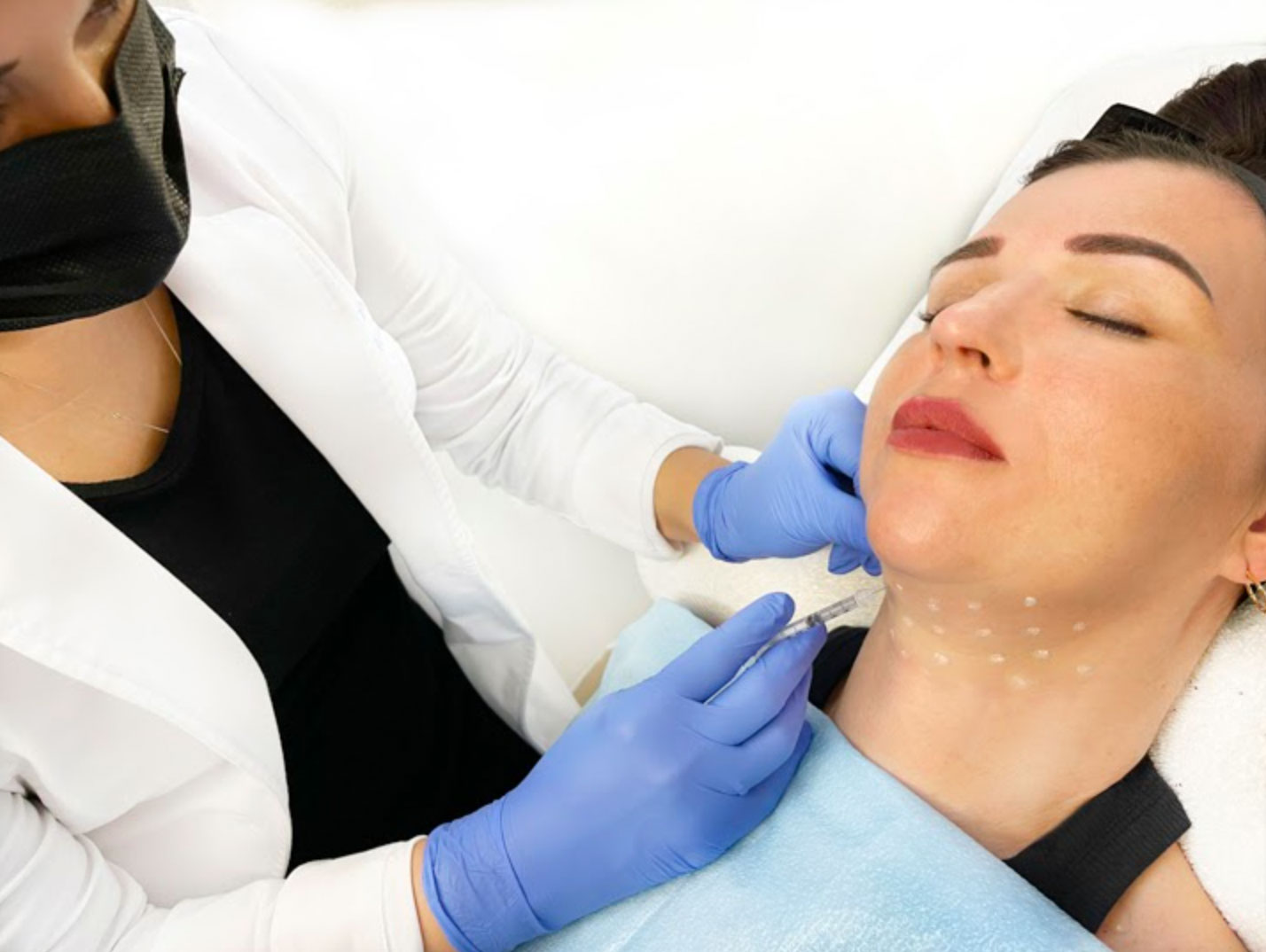
One major trend is the use of minimally invasive techniques. These approaches may provide improvement without the recovery associated with traditional surgery. Injectable treatments that target localized fat and technologies designed to improve skin firmness are among the options that may be considered for suitable candidates.
Another trend is combination treatment. A patient with localized fat and mild skin laxity may require a different strategy from someone with significant excess skin. Combining carefully selected techniques can sometimes address more than one concern, although the decision should be made following an in-person consultation.
The emphasis on natural contours is equally important. An overly aggressive approach may create an unnatural transition between the chin, neck, and jaw. Current aesthetic thinking therefore focuses on proportion, smooth contours, and results that complement the individual’s facial structure.
Dynamic Life Clinic
Dynamic Life Clinic can be considered by patients looking into contemporary aesthetic solutions for lower-face contouring. When evaluating a clinic for Double Chin Removal, patients should look beyond the name of a particular procedure and ask how the practitioner determines which approach is appropriate.
A thorough consultation should consider the amount and location of submental fat, the condition of the skin, chin projection, and the overall structure of the lower face. These factors can help determine whether a non-surgical, minimally invasive, or surgical approach is more suitable.
Patients should also discuss expected improvement, possible limitations, potential risks, and recovery requirements before proceeding. A personalized treatment plan is generally more meaningful than choosing a procedure simply because it is currently trending.
Enfield Royal Clinic
Enfield Royal Clinic is another option for people exploring modern aesthetic approaches to Double Chin Removal. A useful consultation should focus on identifying what is actually responsible for fullness beneath the chin rather than assuming that excess fat is the only factor.
For some individuals, localized fat may be the primary concern. Others may have reduced skin elasticity or anatomical factors that affect the appearance of the neck and jawline. Understanding these differences can influence the treatment recommendation.
The clinic-selection process should also include questions about practitioner qualifications, treatment technology, safety protocols, expected downtime, and follow-up arrangements. Patients should have realistic expectations and understand that results can vary depending on anatomy and the selected procedure.
Tajmeels Clinic
Tajmeels Clinic may also be explored by patients interested in facial contouring and treatments designed to improve the appearance of the chin and jawline. When considering Double Chin Removal, the consultation should ideally be focused on facial balance rather than treating the chin area independently.
A good assessment can help establish whether the desired improvement is primarily related to fat reduction, skin tightening, or overall contour refinement. For suitable candidates, non-surgical options may offer gradual changes, while patients with more pronounced fullness or laxity may be advised to consider a different treatment category.
Patients should ask for a clear explanation of the proposed technique, expected results, recovery requirements, and possible complications. This makes it easier to make an informed decision based on individual needs rather than general beauty trends.
How to Choose the Right Clinic for Double Chin Removal
Experience and Qualifications
The qualifications and experience of the treating practitioner should be among the first considerations. Facial contouring requires an understanding of anatomy, proportions, and the relationship between the chin and neck.
Ask who will perform the treatment, what their relevant experience is, and whether the proposed procedure is appropriate for your specific anatomy.
Technology and Techniques
Treatment technology continues to evolve, but newer does not automatically mean better for every patient. Different technologies and procedures address different concerns.
During consultation, ask why a particular technique has been recommended and whether alternatives are available. The right option should be selected according to the clinical assessment rather than popularity alone.
Safety Standards
Safety should remain more important than convenience or marketing claims. Patients should confirm that the procedure is performed in an appropriate clinical environment with suitable infection-control and emergency protocols.
It is also important to understand potential side effects and complications before treatment. No cosmetic procedure is completely risk-free.
Consultation Process
A detailed consultation is one of the strongest indicators of a thoughtful treatment approach. The practitioner should examine the chin and neck, discuss the patient’s goals, review relevant medical information, and explain realistic outcomes.
Patients should feel comfortable asking questions about treatment alternatives, downtime, recovery, and the possibility of needing more than one session.
Patient Experience
A positive patient experience involves more than the procedure itself. Clear communication, transparent treatment information, professional staff, appropriate follow-up, and realistic expectations all contribute to a better overall experience.
Before making a decision, patients may also wish to review genuine clinical information and ask whether before-and-after photographs relevant to their anatomy are available.
Expected Results
Results depend on the chosen procedure, the amount of submental fullness, skin elasticity, age, anatomy, and individual healing. Non-surgical treatments may produce gradual changes, while surgical techniques can provide more immediate contouring but generally involve greater recovery.
The goal should be a proportionate and natural-looking improvement rather than an unrealistic transformation.
Frequently Asked Questions
What causes a double chin?
A double chin can be associated with localized fat, genetics, ageing, reduced skin elasticity, weight changes, or facial and neck anatomy. It can occur even in people who are otherwise within a healthy weight range.
Is Double Chin Removal always surgical?
No. Depending on the cause and severity, treatment may involve non-surgical fat-reduction methods, skin-tightening technologies, minimally invasive procedures, or surgery. A consultation is needed to determine which option is appropriate.
How do I know which treatment is right for me?
The best treatment depends on whether the main concern is excess fat, loose skin, or a combination of factors. A qualified practitioner can assess the area and explain which approaches are likely to provide the most appropriate improvement.
Are non-surgical double chin treatments permanent?
The longevity of results varies according to the treatment used and individual circumstances. Fat cells that are reduced or removed may not return in the same way, but remaining fat cells can enlarge with weight gain, and natural ageing continues over time.
What should I ask during a consultation?
Ask about the practitioner’s qualifications and experience, the recommended technique, alternatives, expected results, downtime, possible complications, and follow-up care. It is also helpful to ask whether the proposed treatment is specifically suitable for your anatomy and goals.
Conclusion
The latest approach to Double Chin Removal is increasingly centered on personalization, subtle contouring, and appropriate treatment selection. Advances in minimally invasive and non-surgical techniques have expanded the available choices, while surgical procedures remain relevant for patients with more substantial fat or skin concerns.
Choosing a clinic should therefore involve more than comparing treatment names. Practitioner experience, technology, safety standards, consultation quality, patient communication, and realistic expectations all deserve careful consideration. With an individualized assessment and an appropriate treatment plan, patients can make a more informed decision about improving chin and jawline definition while maintaining natural facial proportions.