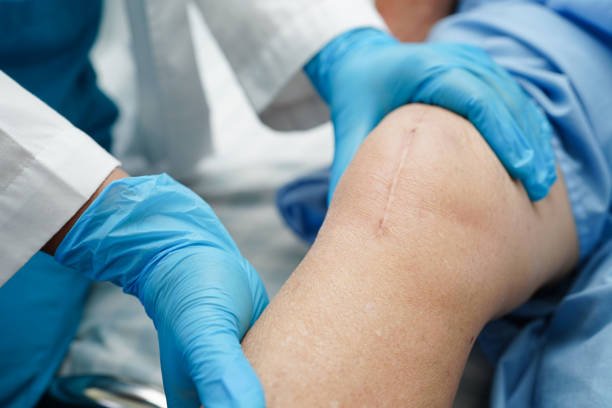
Healing after knee surgery takes courage to steady effort. Your body begins to rebuild strength with trust in each move you make. Knee replacement physiotherapy trains your muscles to bend, stretch, or balance with comfort. With daily care, your steps grow lighter, with your pain slips away. Gentle exercises, good rest, to a calm mind together shape a smoother recovery. Each small action you practice pushes you closer to walking freely to enjoying life without strain again.
Understanding Post-Knee Replacement Therapy
Healing after surgery takes patience and steady effort. Physiotherapy trains your body to move again with control with comfort. Each post knee replacement physiotherapy stretch or step teaches your muscles to cooperate, which keeps your new joint lively.
Why Physiotherapy Matters
After surgery, your knee feels weak or tight. Physiotherapy rebuilds muscle power to steadies your walk. You’ll climb stairs more safely to bend your knee without fear as your muscles grow stronger.
- Restore smooth joint movement.
- Strengthen the muscles near your knee.
- Sharpen your balance with posture.
- Ease swelling naturally
The Early Recovery Phase
The first few weeks shape your healing journey. Your knee replacement physiotherapy pain relief helps your body begin to adapt, to your muscles slowly awaken.
What to Expect
- Mild pain with tightness
- Gradual stretching of your joint
- Steady guidance from your physiotherapist
- Small daily progress
Simple Early Exercises
Start with soft, easy actions that keep your knee active to send blood flowing:
- Ankle rotations – draw small circles with your foot to loosen the joint.
- Quad squeezes – press your thigh muscle tight, hold, then release.
- Heel slides – drag your heel toward your hip to stretch the knee gently.
Repeat these a few times each day to refresh your legs to cut down swelling.
Daily Exercises for Steady Progress
Movement keeps your knee lively to stop it from stiffening. Begin with short, smooth motions that grow stronger each week.
- Heel slides: Pull your heel toward your hip to loosen your joint.
- Leg lifts: Lift your leg straight to build muscle power.
- Ankle pumps: Point to flex your foot to keep blood moving.
- Knee bends: Sit with your knee as far as you can without strain.
Keep a small notebook to track your journey. As days roll by, you’ll see your leg toughen to your steps grow lighter, showing how far your strength with balance have climbed.
Improving Balance with Posture
Balance guides your steps to keep you safe. A straight posture guards your knee to help you walk with confidence.
Balance-Building Moves
- Stand near a wall or chair for support.
- Lift one foot a little to hold steady for ten counts.
- Switch legs to repeat three times.
- When ready, practice walking slowly in a straight line.
Why Posture Matters
A good stance lines up your back, hips with your knees. Spread your weight evenly on both feet. Don’t lean or twist, as that strains your operated knee. Stay upright to look ahead while walking.
Knee Replacement Therapy Pain Relief Tips
Pain can slow recovery if you ignore it. Handle it early to keep your spirit bright to your steps steady.
Helpful Methods
- Warm your knee with a towel before exercise to relax the joint.
- Cool your knee with an ice pack after exercise to calm swelling.
- Raise your leg on a pillow for short rests to ease pressure.
- Rub gently around the knee to stir blood flow.
If pain grows sharper, slow down or rest. Listening to your body helps you heal faster and stay active without trouble.
Rest or Recovery Techniques
Your knee heals best when work to rest stay balanced. Overdoing exercise can tire your joints, with slow healing.
Good rest habits:
- Lift your leg on a soft cushion to drain swelling.
- Change your sitting or standing position often.
- Stretch lightly before sleep to calm muscles.
- Stick to a steady sleep pattern to restore energy.
Proper rest refreshes your muscles to keep progress steady each day.
Building Confidence with Movement
Simple actions like standing, sitting, or walking rebuild courage with rhythm in your steps. Focus on gentle motion with even balance.
Try This Routine
- Grip a support when you stand up.
- Take calm, even steps across the room.
- Keep your feet straight to avoid twisting your knee.
- Sit on firm chairs that support your back.
Each task you master adds strength with pride. Cheer small victories as you regain freedom in your movement.
Using Walking Aids Wisely
Crutches or walkers guide you safely at the start. They need knee replacement physiotherapy pain relief, which helps them stay steady while their leg grows stronger.
How to Use Them Properly
- Keep your aid close beside you.
- Move your aid to the operated leg together.
- Hold your back tall; don’t lean too far forward.
- Use the aid less as you gain balance by trusting your leg.
Stop using walking aids only when your physiotherapist agrees you’re ready.
Nourishing Your Recovery
Your body needs good fuel to heal. Eating smartly repairs muscles, builds strength, to keeps your energy steady.
Smart Eating Choices
- Eat lean protein like fish, chicken, beans, with eggs.
- Fill your plate with colorful fruits with vegetables.
- Drink plenty of water to warm herbal teas.
- Cut down on sugary foods with fried foods.
Healthy meals help your new joint grow strong to keep your whole body fit.
Maintaining Motivation During Recovery
Some days will test your patience. Stay focused on how far you’ve come, not how far you have to go.
Ways to keep going:
- Set small, daily goals.
- Write down what you achieve.
- Celebrate progress, no matter how small.
- Ask family or friends to walk with you.
Noticing each win keeps your mood bright to your recovery strong.
Long-Term Care with Lifestyle Adjustments
Healing post knee replacement physiotherapy doesn’t fade when sessions finish. Keep moving to shield your knee to let it stay strong for many years ahead.
Keep Your Strength Growing
- Choose gentle activities like swimming or cycling.
- Stretch before to after walking.
- Avoid kneeling for long stretches.
- Wear comfy shoes with a good grip.
These steps protect your joints to let you move freely for years.
Conclusion
Healing grows from small wins with steady effort each day. Every stretch to walk sparks new energy in your knee to bring back freedom of movement. Knee replacement physiotherapy guides your leg to move with ease to keep your spirit strong through recovery. Stay patient, keep moving, with trust your progress. In time, you’ll stride, climb, to bend without fear. Your knee will grow firm, your steps will stay steady, so your days will glow brighter as comfort with confidence bloom again.
Frequently Asked Questions
1. How many days should I avoid exercising after surgery?
Most people begin gentle moves a day or two after surgery. Listen to your therapist to start slowly. Early motion wakes your muscles, keeps your knee lively, to helps your leg grow stronger.
2. What should I do if I feel pain during exercises?
Pause right away when pain rises. Rest, cool your knee with an ice pack, to tell your therapist. Pain signals your body to slow down to choose softer moves before trying again.
3. How long does full recovery usually take?
Everyone heals in their own time. Many regain smooth movement within three to six months. Stay patient, practice often, to let your body rebuild strength with steady, daily effort.
4. Can I walk without support after a few weeks?
Yes, but only when your therapist gives the go-ahead. Drop the support bit by bit as your leg grows firm. Focus on calm steps, steady balance, with upright posture to stay safe.