Industrial safety depends on systems that perform consistently under pressure. When work is carried out at height, even a small failure can lead to serious injury, downtime, and regulatory action. In many investigations, connector failure or misuse is identified as a root cause.
Safety teams often focus on harnesses and lifelines while giving less attention to connectors. However, connectors carry dynamic loads during movement and fall arrest events. Their compliance status and build quality directly affect worker protection.
This blog explains compliance requirements, applicable standards, and key quality factors for industrial safety connectors. It supports informed decision-making for safety officers, EPC contractors, and industrial buyers. Indian Inovatix designs and supplies certified connector solutions that meet regulatory and operational demands across industries.
What Are Industrial Safety Connectors
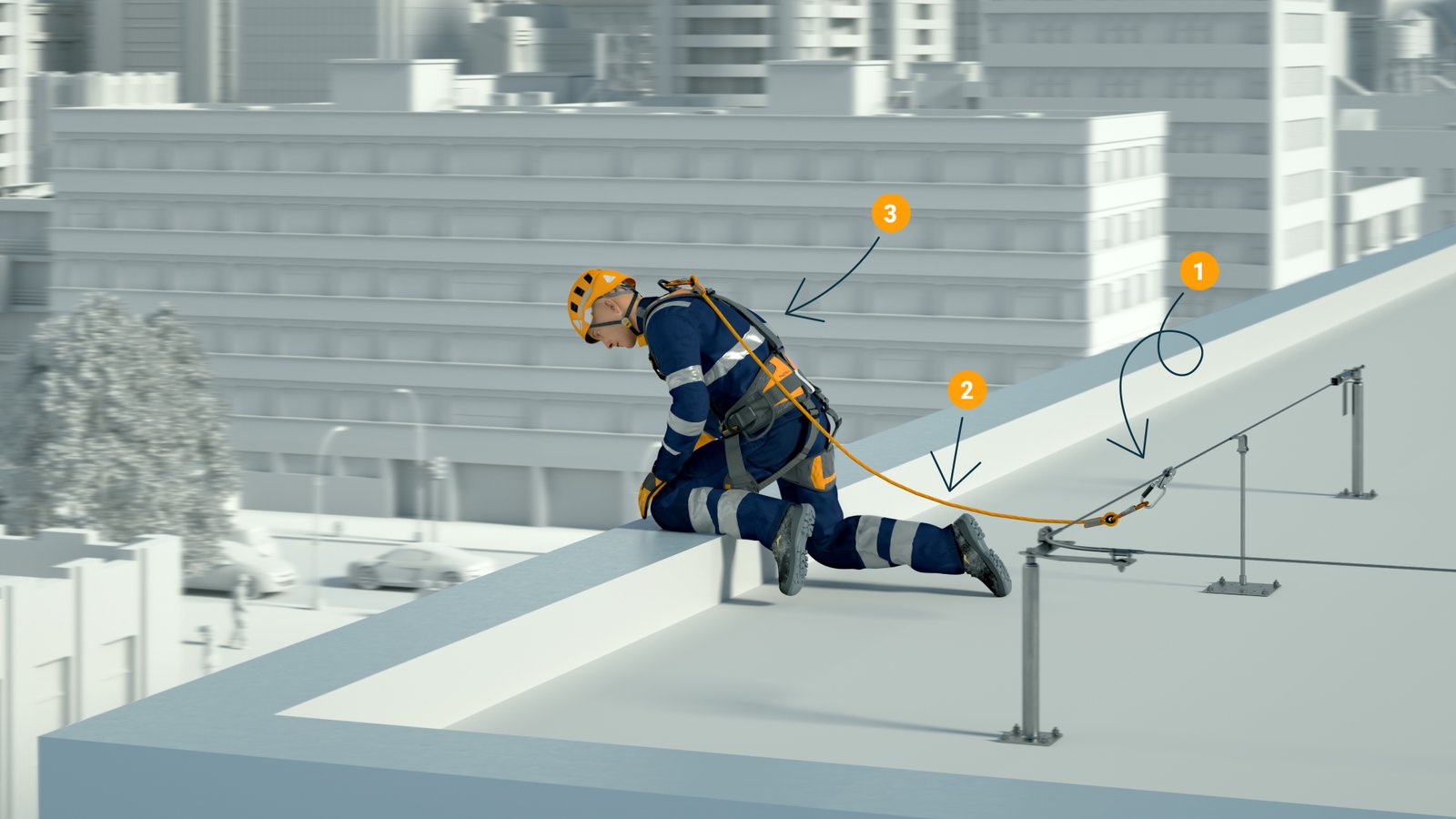
Industrial safety connectors are mechanical links used in fall protection systems. They connect harnesses, lanyards, lifelines, and anchor points into a single working system.
A properly selected safety connector ensures load transfer without failure during normal work and fall arrest conditions. It also supports controlled movement across elevated or restricted work areas.
Typical connector applications include:
- Harness to lanyard connections
- Lanyard to anchor point attachment
- Lifeline system integration
- Temporary and permanent anchorage systems
These components form the backbone of personal fall protection systems used in construction, infrastructure, power plants, and manufacturing facilities.
Why Compliance Matters for Safety Connectors
Compliance is not a formality. It confirms that a connector has been tested under defined load and performance conditions. Non-compliant connectors increase accident risk and expose organizations to legal and operational consequences.
Using certified industrial safety connectors supports:
- Worker protection during fall arrest
- Alignment with statutory safety requirements
- Successful third-party safety audits
- Reduced liability for project owners
Compliance also ensures consistency across large projects where multiple teams rely on the same safety system.
Applicable Standards for Industrial Safety Connectors
Safety connectors must meet recognized national or international standards. These standards define strength, performance, and testing methods.
Indian Standards
In India, connectors used in fall protection systems must comply with applicable IS standards. These standards specify minimum breaking strength, material requirements, and marking guidelines.
Compliance with IS standards supports acceptance in government and private sector projects.
International Standards
Many industrial projects also refer to EN standards, especially in EPC and infrastructure work.
EN standards address:
- Static and dynamic load testing
- Gate strength and locking performance
- Resistance to deformation and failure
Indian Inovatix manufactures connectors aligned with applicable IS and EN requirements, supporting diverse project needs.
Certification and Traceability Requirements
Certification verifies that a connector meets defined safety criteria. Traceability ensures that each product can be linked back to its production batch.
Key certification elements include:
- Permanent markings on the connector
- Load rating and standard reference
- Manufacturer identification
- Batch or serial number
Certified safety gear connectors simplify inspections and support compliance documentation during audits.
Quality Factors That Define Reliable Safety Connectors
Compliance alone is not enough. Quality factors determine how connectors perform over time in real industrial conditions.
Material Quality and Selection
Connector material must match the working environment.
Common material options include:
- Alloy steel for high-load industrial use
- Stainless steel for corrosive or coastal environments
- Coated steel for general industrial settings
Correct material selection improves durability and reduces premature failure of industrial safety connectors.
Manufacturing Process Control
Quality depends on controlled manufacturing processes. Inconsistent production leads to variation in strength and fit.
Key quality controls include:
- Precision forging or machining
- Heat treatment for strength consistency
- Surface finishing to reduce wear
Indian Inovatix maintains controlled manufacturing processes to ensure uniform performance across batches.
Locking Mechanism Performance
The locking mechanism prevents accidental opening during use. Poor locking design can lead to gate roll-out or unintended disengagement.
Reliable connectors feature:
- Multi-action locking systems
- Smooth gate movement
- Resistance to vibration and side loading
A dependable safety connector remains secure during both routine work and fall arrest events.
Load Testing and Performance Validation
Quality connectors undergo load testing beyond minimum requirements. This validates performance under extreme conditions.
Testing typically includes:
- Static load testing
- Dynamic drop testing
- Gate and locking strength tests
These tests confirm that safety gear connectors perform as expected during real-world use.
Surface Finish and Wear Resistance
Surface finish affects inspection, wear detection, and corrosion resistance.
High-quality connectors have:
- Smooth, defect-free surfaces
- Protective coatings or treatments
- Clear markings that remain visible over time
This supports regular inspection and long-term service use.
Industry-Specific Compliance Considerations
Construction and Infrastructure Projects
Construction sites involve changing anchor points and frequent movement.
Compliance focus areas include:
- Load ratings suitable for dynamic falls
- Compatibility with steel structures
- Clear certification markings
Using certified industrial safety connectors supports site safety audits and regulatory checks.
Power Plants and Heavy Industry
Maintenance work in power plants involves heat, vibration, and complex structures.
Key compliance needs include:
- Heat-resistant materials
- Secure locking systems
- Compatibility with vertical lifelines
Quality connectors reduce maintenance risk and downtime.
Oil and Gas and Chemical Facilities
These facilities require strict control due to corrosive exposure.
Important factors include:
- Stainless steel construction
- Resistance to chemical exposure
- Long-term strength retention
Certified safety gear connectors support safe operations in these environments.
Inspection and Ongoing Compliance Management
Compliance does not end at purchase. Regular inspection is required to maintain safety.
Inspection should include:
- Gate and locking function check
- Signs of deformation or cracks
- Corrosion or surface damage
Any connector involved in a fall must be removed from service. Proper inspection ensures continued compliance and safety.
Role of the Manufacturer and Supplier
The reliability of connectors depends on the capability of the manufacturer and supplier.
Trusted partners provide:
- Certified products with documentation
- Consistent quality across batches
- Technical support during selection
- Bulk supply for large projects
Indian Inovatix operates as a manufacturer and supplier, supporting compliance needs for EPC contractors, consultants, and industrial clients.
Real-World Industrial Example
A thermal power plant required connectors for routine maintenance at height. Existing connectors showed corrosion and inconsistent markings, leading to audit observations.
Indian Inovatix supplied certified stainless steel industrial safety connectors with proper traceability. Audit issues were resolved, and maintenance work continued without interruption.
This example shows how compliance and quality directly affect operations.
Common Compliance and Quality Gaps to Avoid
- Using connectors without certification
- Ignoring material suitability
- Overlooking locking mechanism quality
- Failing to maintain inspection records
Addressing these gaps improves safety outcomes and audit readiness.
Frequently Asked Questions
Are all industrial safety connectors required to be certified
Yes. Connectors used for fall protection must meet applicable standards.
What markings should a compliant safety connector have
Load rating, standard reference, manufacturer name, and batch identification.
Can connectors be used across different industries
Only if they meet the load and environmental requirements of each industry.
How often should connectors be inspected
Before use and during scheduled safety inspections.
Are safety gear connectors different from standard connectors
Yes. They are designed to handle fall arrest loads.
Do connectors have a defined service life
Service life depends on usage, exposure, and inspection results.
Can connectors be repaired if damaged
No. Damaged connectors must be removed from service.
Are Indian-made connectors accepted in large projects
Yes, when they meet IS or EN standards.
What documents support compliance during audits
Test reports, certification records, and traceability details.
Do manufacturers provide support for compliance queries
Yes. Indian Inovatix supports documentation and technical queries.
Conclusion
Compliance, standards, and quality factors define the reliability of industrial safety connectors. Choosing certified products built with controlled manufacturing and tested performance protects workers and supports regulatory requirements.
Indian Inovatix designs, manufactures, and supplies certified industrial safety connectors and safety gear connectors for construction, infrastructure, and industrial facilities. We support safety teams and project owners with dependable solutions aligned with compliance needs.
Every worker deserves safety. Equip your team with certified fall protection today. Enquire now for bulk pricing, request a quote, or customize solutions.
Tags : .....