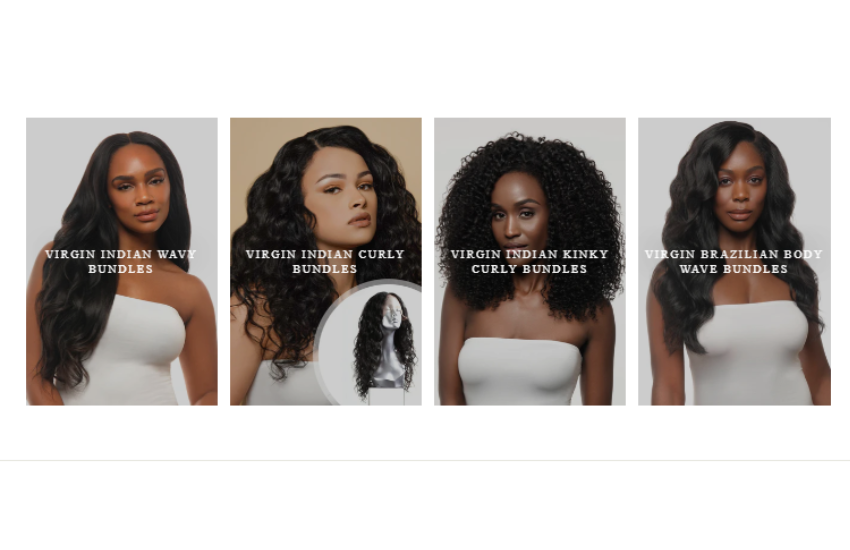
When it comes to premium-quality extensions, wigs, and bundles, Indian hair has gained a reputation as one of the most sought-after choices in the beauty and hair industry. For decades, stylists, salon owners, and individuals across the United States have trusted Indian hair companies for their natural textures, durability, and versatility. But with demand at an all-time high, so is the risk of counterfeit or chemically processed hair being sold as “authentic Indian hair.”
If you’ve ever invested in hair bundles or wigs only to discover tangling, shedding, or artificial shine, chances are you didn’t receive genuine Indian human hair. To make sure you’re getting what you pay for, let’s uncover the secrets Indian hair companies use to guarantee authenticity—and the exact steps you can take to identify the real thing.
Why Indian Hair is Considered Premium
Before diving into authenticity checks, it’s important to understand why Indian hair is so valuable.
Natural texture: Indian hair naturally comes in straight, wavy, and curly patterns, making it ideal for styling versatility.
Unprocessed quality: Authentic Indian hair is donated from temples or collected directly from donors, meaning it’s free from harsh chemicals or coatings.
Durability: With proper care, Indian hair wigs and bundles can last for years, outlasting synthetic or processed alternatives.
Because of these qualities, Indian hair is often considered a luxury investment. That’s exactly why counterfeit suppliers try to mimic it with synthetic fibers or low-grade processed hair.
1. The Cuticle Test – A Key Indicator
One of the easiest ways to spot authentic Indian hair is by checking the cuticle alignment. Human hair has protective layers called cuticles, which should all run in the same direction.
Authentic Indian Hair: Cuticles are intact and aligned, giving the hair a natural, soft, and smooth feel.
Fake/Processed Hair: Cuticles are stripped using acid baths, then coated with silicone to create artificial shine. Over time, this coating wears off, leaving the hair rough and tangled.
Pro tip for U.S. buyers: Run your fingers from root to tip—if it feels smooth in one direction and rough in the other, the cuticles are intact, signaling authenticity.
2. The Burn Test – Natural vs. Synthetic
A quick but effective method used by many hair professionals is the burn test. Take a few strands and carefully burn them (safely and in a controlled space).
Real Indian Hair: Burns slowly, smells like natural protein (similar to burnt feathers), and turns into ash.
Synthetic Hair: Burns quickly, emits a plastic smell, and forms hard beads instead of ash.
This simple test instantly separates genuine Indian hair from synthetic or blended varieties.
3. Texture and Weight – The Natural Feel
Authentic Indian hair has a lightweight but strong structure. Unlike factory-processed hair, it doesn’t feel overly glossy or heavy.
Indian Hair Wigs: They move naturally, blending seamlessly with your own hair.
Bundles: Each bundle should have a consistent thickness from top to bottom without looking overly bulky or artificially shiny.
When shopping in the United States, especially online, be cautious of hair that looks “too perfect.” Authentic hair has slight natural variations that prove it’s real.
4. Longevity and Styling Test
Indian human hair is known for its ability to withstand heat styling, coloring, and repeated washes. Counterfeit hair, on the other hand, shows signs of damage quickly.
Heat Styling: Genuine Indian hair can handle flat irons and curling wands without losing integrity.
Coloring: It can be dyed or bleached without excessive breakage, unlike synthetic fibers.
Wash & Wear: Authentic bundles bounce back to their natural texture after washing, while fake hair becomes dull and lifeless.
5. Source Transparency – The Biggest Secret
Perhaps the most important factor in identifying authentic hair is knowing the source. Reputable Indian hair companies are transparent about where and how they collect their hair.
Temple Hair: Much of the authentic Indian hair comes from temple donations, where hair is shaved during religious ceremonies and sold ethically.
Direct Donor Hair: Some companies source directly from individual donors, ensuring single-donor consistency.
Red Flags: If a seller cannot explain where their hair comes from or uses vague terms like “100% human hair” without details, be cautious.
6. Price Point – If It’s Too Cheap, It’s Not Real
Indian hair is a premium product, and authentic companies price it accordingly. If you come across “wholesale bundle deals” or wigs at unbelievably low prices in the U.S. market, chances are they’re synthetic or mixed hair.
Tip: Compare multiple suppliers and avoid deals that seem too good to be true. Authentic Indian hair is an investment, not a bargain-bin item.
7. Customer Reviews & Brand Reputation
In today’s digital world, research is your best friend. Look for:
Verified U.S. customer reviews on trusted platforms.
Before-and-after photos from real buyers.
Social proof from salons or influencers who vouch for the brand.
Long-standing Indian hair companies with consistent, positive feedback are far more reliable than pop-up shops or social media-only sellers.
Final Thoughts
With so many options available, identifying authentic Indian hair can feel overwhelming. But by understanding the secrets Indian hair companies use—cuticle integrity, burn tests, texture, longevity, source transparency, and fair pricing—you’ll protect yourself from costly mistakes.
For U.S. customers, the safest path is to purchase from established, well-reviewed Indian hair companies that openly share their sourcing methods. When you know what to look for, you’re not just buying hair—you’re investing in confidence, beauty, and long-lasting quality.
Tags : Indian Hair Company