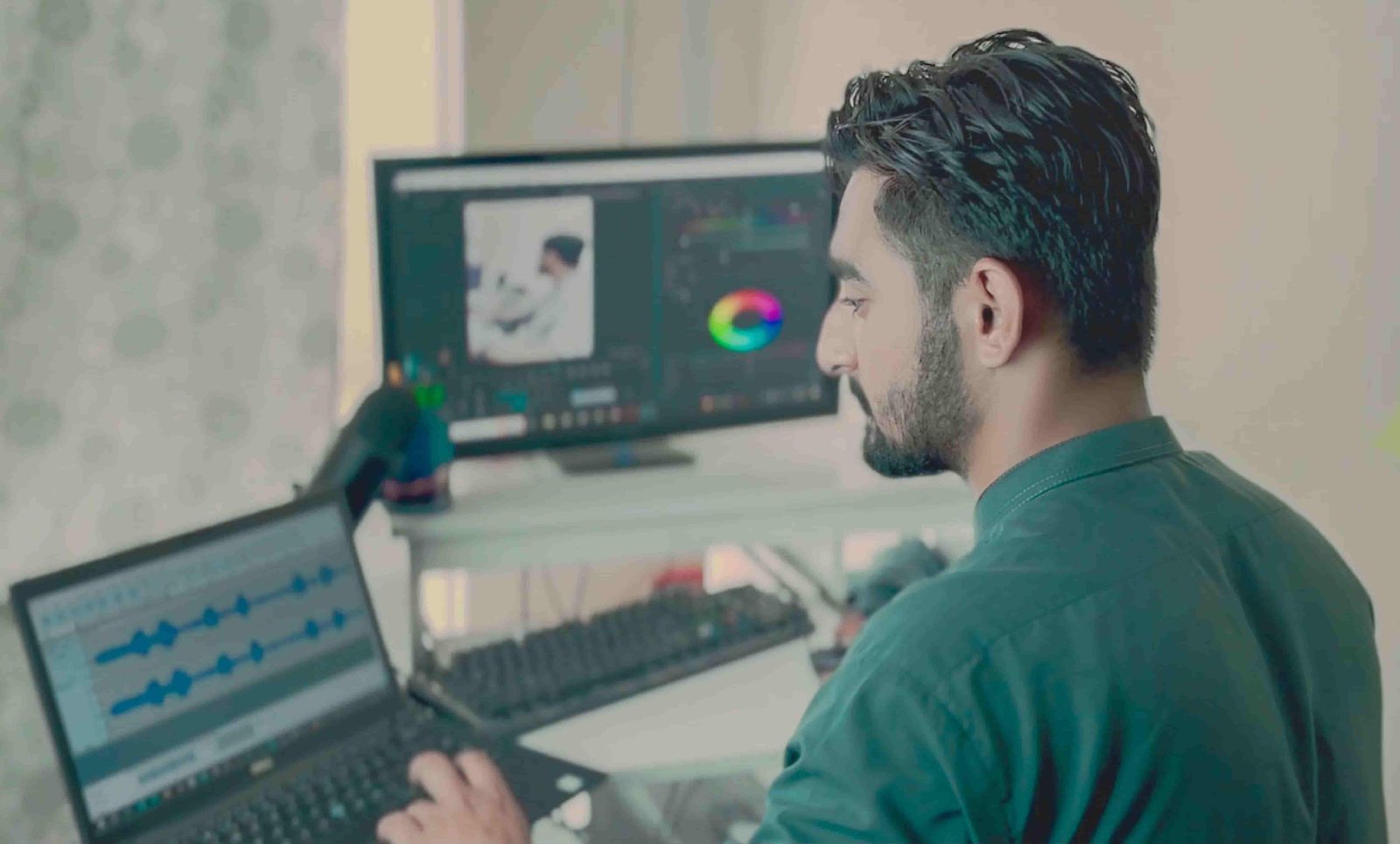
India’s visual effects industry is becoming increasingly integrated with the country’s broader media and entertainment ecosystem. Film, television, streaming content, advertising, gaming, and other digital formats are creating demand for computer-generated imagery, compositing, simulation, and post-production capabilities. At the same time, improvements in technology and the availability of specialized creative talent are supporting the development of India’s VFX production capabilities.
A recent study by Markntel Advisor states that the India VFX market was valued at USD 1.12 billion in 2026 and is projected to reach USD 1.23 billion in 2027 and USD 1.75 billion by 2033. The industry is projected to witness steady growth at a CAGR of 6.05% during 2027–2033. Increasing digital content consumption, expanding visual effects applications, technology adoption, and development of specialized creative capabilities are supporting this growth.
Digital Content Expands the Role of VFX
The increasing production of digital entertainment is broadening the applications of visual effects. VFX can be incorporated into films, television programs, streaming productions, advertisements, music videos, and other visual content to create environments, characters, effects, and sequences that may be difficult or impractical to capture entirely through conventional production.
India’s Ministry of Information and Broadcasting identifies VFX as part of the country’s wider Animation, Visual Effects, Gaming and Comics ecosystem. The ministry has also highlighted the objective of developing India as a hub for the Animation, Gaming and VFX sector, reflecting the strategic importance of these capabilities within the media and entertainment industry.
OTT Platforms Create New Content Requirements
The expansion of streaming platforms has changed how audiences consume entertainment and has contributed to greater variety in content formats. High-production-value series and films can require VFX for environments, action sequences, digital characters, set extensions, and other visual elements.
India’s Ministry of Information and Broadcasting reports that digital media has expanded substantially within the country’s media and entertainment ecosystem. Its latest sector data also records animation and VFX as a distinct segment, reflecting the continued role of visual effects within the broader industry.
Technology Is Transforming Production Workflows
Modern VFX production increasingly depends on advanced software, rendering infrastructure, digital compositing, simulation, and specialized workflows. Improvements in computing capabilities allow studios to process increasingly complex visual sequences while managing large volumes of digital assets.
Technology is also changing collaboration between production teams. Artists, supervisors, editors, and other specialists can work across different stages of production using connected digital workflows. This can allow VFX work to be distributed across locations while maintaining coordination between creative and technical teams.
Skilled Talent Remains Central to Industry Development
VFX production requires specialized skills across areas such as modeling, animation, compositing, lighting, rigging, simulation, rotoscoping, and digital environments. As production requirements become more sophisticated, developing a strong talent pipeline becomes increasingly important for the industry's continued expansion.
The Ministry of Information and Broadcasting has established the Indian Institute of Creative Technologies (IICT), formerly envisioned as the National Centre of Excellence for Animation, Gaming and Special Effects. The institute is intended to develop talent, provide training, support research, and strengthen the AVGC-XR ecosystem in India.
Global Production Creates Opportunities for Indian Studios
India’s established media-production capabilities and technical talent can support both domestic content and international production requirements. Visual effects studios can participate in projects produced for different markets, providing specialized services across individual stages of the production pipeline.
The government’s AVGC-XR Task Force has specifically emphasized developing domestic capacity to serve both Indian and global demand. Its recommendations cover areas including education, skilling, technology access, industry development, and market opportunities, indicating the broader ecosystem required to strengthen India’s position in the sector.
VFX Applications Extend Beyond Traditional Entertainment
Although films and television remain important applications, VFX capabilities can also support gaming, advertising, immersive experiences, education, architecture, and other visual communication formats. The expansion of digital experiences is therefore creating opportunities for studios and professionals to apply visual effects expertise across multiple industries.
Gaming and extended reality can be particularly relevant because they require digital environments, characters, objects, and interactive visual elements. The integration of VFX skills with adjacent creative technologies can create additional pathways for professionals and production companies operating within India’s broader AVGC-XR ecosystem.
Future Development Will Depend on Technology and Talent
The India VFX industry is expected to continue developing alongside digital content production, streaming, gaming, and other technology-driven visual applications. Continued investment in production infrastructure, specialized software, training, and creative talent can influence the sector’s ability to meet increasingly complex content requirements.
The establishment of national initiatives focused on AVGC-XR, including the IICT, indicates continued institutional attention toward skills and ecosystem development. As Indian and international content production evolves, VFX is likely to remain an important component of the country’s expanding digital media and entertainment landscape.
Tags : India VFX Market