A worker struck by a reversing forklift rarely has time to react. What saves them, more often than the driver's caution, is whether they were visible in the first place. Protective clothing and reflective jackets don't eliminate hazards on a site, but they change the odds at the exact moment a hazard becomes an accident. This is why regulators, safety officers, and insurers often treat coveralls and bodysuits as equipment, not uniforms.
How are Safety Workwear Different from Uniforms
A uniform is meant to create a consistent appearance across a workforce. Safety workwear, however, has a far more important purpose. It is specially designed to help protect employees while they carry out everyday industrial, construction, and workplace tasks.
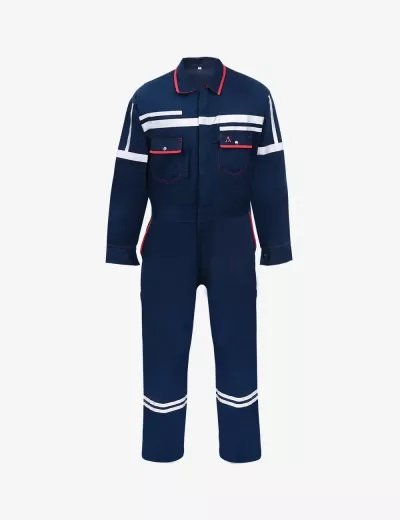
Depending on the job and work environment, safety workwear can include coveralls, jackets, trousers, coats, high-visibility clothing, flame-resistant garments, protective outerwear, and hygiene-focused workwear. Each type serves a specific need rather than being chosen simply for appearance.
Unlike standard uniforms, safety garments are selected based on factors like the nature of the task, workplace hazards, fabric condition, fit, cleaning requirements, and replacement schedule. They help reduce exposure to common workplace risks, including dirt, oil, heat, sparks, poor visibility, contamination, and hazards associated with machinery or sensitive production areas.
Moreover, safety coveralls and bodysuits are typically rated by GSM (grams per square metre) rather than sold as generic uniforms.
Why Invest in Safety Workwear
Improved Protection Against Workplace Injuries
Protection is the most important role of safety workwear. Suitable garments and protective equipment help reduce employees’ exposure to common workplace hazards. For example, helmets help protect against falling objects, while waterproof clothing can help workers remain protected and comfortable in cold and wet conditions. Choosing clothing designed for specific risks provides employees an added layer of protection while performing demanding tasks.
Support for Regulatory Compliance
Workplace safety standards often require businesses to provide suitable protective clothing for specific tasks. Following these requirements helps companies avoid potential penalties, legal complications, and unnecessary safety risks. Providing appropriate workwear also demonstrates that the organisation takes its responsibilities toward employee welfare seriously.
Improved Productivity and Employee Comfort
Employees are more likely to stay focused when they feel protected and comfortable. Workwear designed for the demands of a particular role can reduce discomfort, distractions, and interruptions during the working day. Comfortable clothing can also contribute to better morale, helping teams work with greater confidence and efficiency.
Protection from Changing Weather
For employees who work outdoors, weather conditions can have a direct impact on comfort and performance. Waterproof jackets, insulated clothing, breathable fabrics, and suitable layering help workers remain dry, warm, or cool as conditions change.
Match Workwear to Industry and Task
Industrial environments expose workers to a mix of hazards that ordinary clothing is not built to handle. The right garment for a welder is rarely right for a warehouse picker. The best-performing safety programmes treat protective clothing as task-specific equipment, not a single blanket purchase.
Heavy industries like oil and gas, power plants, and metal manufacturing prioritise FR-rated or IFR coverall suits with reinforced seams. Coveralls provide full-body coverage. They do not have gaps at the waist, unlike loose two-piece clothing that may let in dust, chemical splashes, or sparks.
Workers in industries like transport, logistics, and construction often wear reflective jackets and coveralls with high-visibility tape, as moving vehicles and equipment are the primary hazards.
Defence, disaster management, and fire services require garments that combine flame resistance, durability, and visibility in a single piece.
Investing in the right safety workwear can reduce workplace injuries and save lives. Companies need to treat safety workwear, like flame-resistant coveralls and reflective jackets, as protective equipment, and not a uniform.
Tags : reflective jacket coverall suit