How ZATCA E-Invoice Data Improves Financial Reporting Accuracy in Saudi Arabia
By anwaarmashair 12-10-2026 4
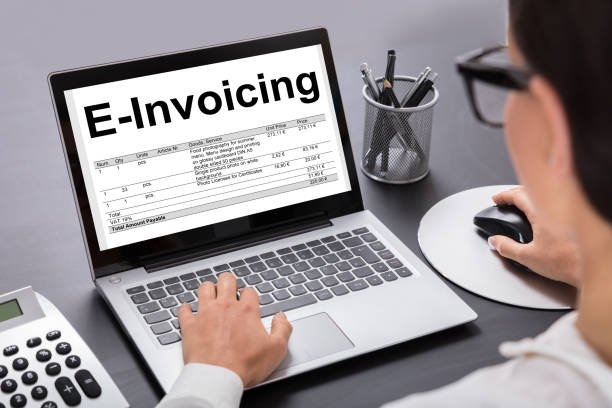
Every business in Saudi Arabia needs to have financial reporting accuracy. The more the sales volume, purchases, VAT transactions and customer payments, the company deals with, the more it is likely to cause errors, duplicate entries and slow reporting as the company depends on manual records. This is where ZATCA e-invoice data come in handy. With the digitization of invoice data, as well as the standardization of the records of transactions, the businesses will be able to enhance the accuracy, consistency and transparency of their financial data. Electronic invoicing is also convenient in enabling the finance department to monitor transactions, balance accounts, and have clean records.
In the case of Saudi businesses, enhancing the relationship between invoicing and accounting can be further enhanced by adopting the correct invoicing software zatca solution. An integrated system can eliminate manual data entry and automation of repetitive financial processes and enable businesses to keep accurate records of VAT and transactions. With the ongoing digital transformation in Saudi Arabia in the form of the ZATCA e-invoicing framework, electronic invoicing would not only enable businesses to fulfill compliance requirements but also provide a better platform of effective and reliable financial reporting.
What Is ZATCA E-Invoice Data?
ZATCA e-invoice data is the structured information that is created by using the electronic invoices that meet the e-invoicing requirements of Saudi Arabia. This information can be invoice numbers, dates, supplier and buyer information, VAT information, description of the product or service, quantity, price, amount of tax and total values.
Digital records generated by electronic invoices can be processed, stored, searched, and even integrated with accounting systems unlike the traditional paper based processes that generate paper records. This will simplify the invoice information and will be more helpful in financial reporting.
How ZATCA E-Invoice Data Improves Financial Accuracy
1. Reduces Manual Data Entry Errors
Handling of invoices manually may lead to the wrong amount, date of payment, calculation of VAT, customer information or invoice number. Such minor mistakes may add up and have an impact on financial statements.
Electronic invoicing lowers the amount of manual input of invoice data into the accounting systems. With invoicing software, accounting platforms can transfer the information directly to financial records, eliminating the need to duplicate and eliminate human errors.
2. Improves VAT Reporting
The accuracy of VAT requires information about transactions being accurate. Wrong tax values, lack of invoices or duplication of records may cause a problem in the reconciliation and reporting of VAT.
ZATCA e-invoice data gives well-organized data that assists organizations to audit sales transactions, VAT value, and documents of the invoice. The finance teams are able to detect inconsistencies more easily and to ensure that the appropriate information can be provided to prepare VAT records.
3. Makes Reconciliation Easier
The reconciliation is a significant element of the financial reporting. Businesses routinely reconcile invoices with accounting records, customer balances, payment and VAT records.
This process is accelerated by the digital information in the invoice process since the finance teams can align the invoice numbers, amounts, dates and customer details with the accounting records. The Automated matching can also be used to point out missing invoices, or duplicate transactions, or differences that have to be investigated.
4. Creates a Stronger Audit Trail
Transaction records should be credible to support the financial reports. Electronic invoicing provides a more distinct link between the initial transaction and financial data that the business keeps.
The finance departments could be able to track the transactions made on the invoice to the accounting records and eventually to the financial statement. This facilitates easier finding of supportive documents and exploring anomalies during internal checks or audits.
5. Reduces Duplicate Transactions
There can be overstatement of revenue, expenses, receivables or VAT due to duplicate invoices or accounting entries. Duplicates may be hard to identify by hand, particularly when the company is handling hundreds of invoices or even thousands of invoices.
Organized electronic databases enable easier comparisons between invoice numbers, customer and date and amounts. Businesses may utilize such information to determine possible duplicate transactions, prior to their impact on financial reporting.
6. Improves Accounts Receivable Management
The proper customer payment management is also facilitated by proper records of invoices. Businesses are able to monitor issued invoices, outstanding balances, payment status and outstanding amounts more effectively.
This provides finance teams with a better perspective of accounts receivable and enables the management see the cash inflows expected. The improved visibility may also enhance the quicker payment of arrears and improved reporting of customer balances.
7. Provides Faster Financial Insights
Conventional financial reporting may be time consuming since accountants have to gather information by various sources and checking records by hand.
Businesses will have access to financial information faster when electronic invoicing is integrated with accounting and ERP systems. Sales, receivables VAT information and transaction activity can be reviewed by the management without the time-consuming manual processes.
More rapid access to high quality data can be used in making better financial and operational decisions.
8. Supports Better Financial Analysis
Electronic invoice records may be a good source of information to analyze business performance. Businesses have the opportunity to analyze sales by customer, product, service, branch or period.
This will assist management in determining the trends in revenues, products performing better and their customers buying trends as well as variation in volumes of transactions. Accurate invoice information thus does not only assist in the accuracy of accounting, but also strategic business planning.
Best Practices for Using E-Invoice Data
Businesses need to integrate their invoicing system with their accounting software or ERP software whenever possible in order to get the best out of electronic invoicing. They also need to keep correct customer and supplier records, ensure there is correct user access controls, periodically reconcile invoice records and keep a check on suspicious transactions.
Their finance teams also need to audit the way they report on a regular basis to make sure that the information about invoices is properly transferred to the accounting systems. Automation has the ability to minimize repetitive tasks, but it is important to have human inspection to detect an exception and a transaction that is not normal.
Why E-Invoicing Matters for Saudi Businesses
Electronic invoicing is altering the manner in which financial information is handled in Saudi businesses. Companies should not just take e-invoicing as a compliance measure but take it as a chance to enhance their overall finances.
ZATCA e-invoice information offers a systematic basis of accounting, VAT control, reconciliation, auditing and financial analysis. It can minimize mistakes and supply businesses with more reliable and timely information when tied to effective financial systems.
Conclusion
Proper financial reporting is a starting point of proper transaction data. In the case of Saudi businesses, electronic invoicing has the potential to enhance financial information quality significantly through minimizing manual errors, enhancing the quality of financial information, promoting better records of VAT and providing better audit trail. With structured invoice data, finance departments will save time by correcting data and spend more time analyzing financial performance.
In the end, ZATCA e-invoice data may turn out to be a significant component of a contemporary financial reporting plan. By having the appropriate technology, accounting integration, and internal controls, businesses can experience more transparency, quicker reporting, and more accurate financial reporting. In the case of companies like Quickdice SA, the implementation of effective e-invoicing procedures can contribute to ensuring regulatory compliance and financial efficiency in the long term.
Tags : Financial Reporting


















