How Wearable Device Integration for Clinics Is Closing the Gap Between Patient Data and Clinical Decisions
By clinIQ Healthcare 27-05-2026 56
Healthcare is rapidly moving beyond traditional in-clinic care models. Today’s providers are expected to deliver more connected, data-driven, and proactive healthcare experiences while managing growing patient volumes and operational complexity. At the center of this transformation is wearable technology.
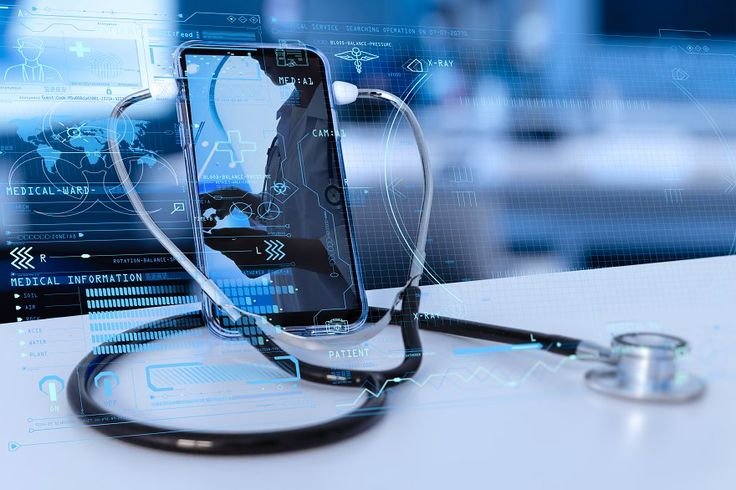
From fitness trackers and smartwatches to remote monitoring devices, wearable technology is generating continuous streams of patient health information outside traditional healthcare environments. However, collecting patient data alone is not enough. The real value comes from turning that data into meaningful clinical insight.
This is where wearable device integration is changing healthcare operations.
By connecting wearable technologies directly into clinical workflows, healthcare organizations can bridge the gap between patient-generated data and real-time clinical decision-making.
The Rise of Continuous Patient Monitoring
Traditional healthcare relies heavily on periodic in-person visits and limited clinical snapshots. Providers often make decisions based on information gathered during short appointments, even though patient conditions can change significantly between visits.
Wearable technology introduces a more continuous model of care.
Patients can now generate real-time data related to activity levels, therapeutic adherence, recovery progress, sleep patterns, mobility, and other health-related metrics throughout their daily lives. This creates opportunities for providers to gain better visibility into patient behavior outside the clinic.
Continuous monitoring helps healthcare teams move from reactive care toward more proactive and preventive healthcare management.
The Challenge of Disconnected Data
While wearable devices generate valuable information, many healthcare organizations still struggle with fragmented systems that make the data difficult to use effectively.
Without integration, wearable data often exists separately from clinical workflows, electronic records, scheduling systems, and operational platforms. Providers may face challenges organizing, reviewing, and acting on patient-generated information efficiently.
Disconnected data limits the true clinical value of wearable technology.
This is why integrated healthcare platforms are becoming increasingly important.
How Wearable Device Integration Improves Clinical Decision-Making
Modern wearable device integration connects patient-generated health data directly into healthcare workflows and operational systems.
Instead of manually reviewing isolated reports, providers can access connected monitoring data within centralized care environments. Real-time visibility allows healthcare teams to identify trends, monitor progress, and make faster, more informed clinical decisions.
Integrated wearable systems also improve workflow efficiency.
Healthcare organizations can streamline monitoring processes, reduce manual documentation tasks, and improve coordination between remote monitoring programs and clinical operations. This creates a more organized and scalable approach to connected care delivery.
Stronger Patient Engagement Outside the Clinic
Wearable integration also improves patient participation in care management.
Patients using connected devices often become more engaged in monitoring their progress and maintaining adherence to therapeutic plans. Real-time monitoring creates a stronger connection between providers and patients even outside traditional appointments.
This ongoing engagement supports better communication, stronger accountability, and more personalized care experiences.
Healthcare organizations can maintain visibility into patient progress between visits while identifying potential concerns earlier in the care journey.
Operational Efficiency Matters Too
The impact of wearable integration goes beyond clinical outcomes.
Healthcare organizations also benefit from improved operational efficiency through connected monitoring workflows. Integrated systems help providers manage data more efficiently, reduce administrative friction, and improve coordination across remote care programs.
Platforms like clinIQ support connected healthcare operations by helping providers integrate wearable monitoring, workflow automation, operational visibility, and remote therapeutic monitoring within one connected ecosystem.
This operational alignment is becoming increasingly important as remote care programs continue expanding.
The Future of Connected Healthcare
Wearable technology is no longer simply a consumer wellness trend. It is becoming an important part of modern healthcare infrastructure.
As healthcare organizations continue adopting remote monitoring and connected care models, integrated wearable systems will play a critical role in improving visibility, strengthening patient engagement, and supporting more informed clinical decision-making.
The future of healthcare depends on turning real-time patient data into meaningful action—and wearable device integration is helping providers close that gap more effectively than ever before.
Tags : .....