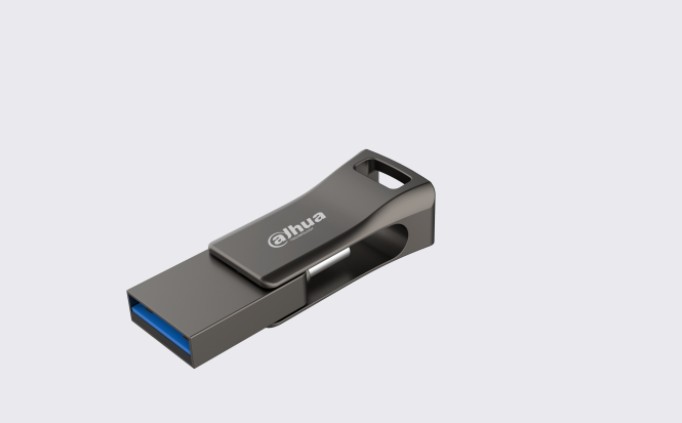
In today’s digital world, transferring files quickly and securely is essential for both personal and professional tasks. Whether you're sharing documents, storing presentations, or backing up important data, USB flash drives have become one of the most convenient tools for portable storage. Their compact design, ease of use, and fast data transfer speeds make them a popular choice for students, professionals, and businesses alike.
In this blog, we’ll explore how USB flash drives work and why they remain a reliable solution for fast and convenient file transfers.
What Is a USB Flash Drive?
A USB flash drive is a small portable storage device that connects to computers and other compatible devices through a USB port. It uses flash memory to store data, allowing users to save, transfer, and access files without requiring an internet connection.
Unlike traditional storage devices such as CDs or external hard drives, flash drives are lightweight, durable, and capable of storing large amounts of data. Modern drives can hold anywhere from a few gigabytes to several terabytes of information.
How USB Flash Drives Work
USB flash drives rely on non-volatile flash memory, which means the stored data remains intact even when the device is unplugged. When you insert the drive into a USB port, the computer instantly recognizes it as a removable storage device.
Here’s a simple breakdown of how they function:
1. Plug-and-Play Connectivity
One of the biggest advantages of USB flash drives is their plug-and-play capability. Once connected, the operating system automatically detects the device, allowing users to start transferring files immediately.
2. Flash Memory Storage
The drive contains flash memory chips that store data electronically. These chips allow quick reading and writing of files without the need for moving parts.
3. Data Transfer Through USB Interface
Files are transferred through the USB interface, which acts as the communication channel between the device and the computer. Newer standards like USB 3.0 and USB 3.2 offer significantly faster transfer speeds compared to older versions.
Why USB Flash Drives Are So Convenient
USB flash drives continue to be widely used because they offer several practical benefits.
Portability
Flash drives are small enough to fit in a pocket or on a keychain, making them extremely easy to carry anywhere.
Fast File Transfers
Modern drives support high-speed data transfer, allowing users to move large files such as videos, presentations, and software quickly.
No Internet Required
Unlike cloud storage, USB flash drives allow file transfers without relying on an internet connection. This makes them useful in areas with limited connectivity.
Compatibility Across Devices
Most computers, laptops, and even some TVs and gaming consoles support USB drives. This makes sharing files between devices simple and convenient.
Reliable Data Backup
USB flash drives provide an easy way to back up important files and documents, ensuring data is available even if a primary device fails.
Common Uses of USB Flash Drives
USB flash drives are versatile and can be used in many situations, including:
Transferring files between computers
Storing presentations and documents for work or school
Backing up important data
Installing operating systems or software
Sharing photos, videos, and media files
Their ability to handle multiple tasks makes them a valuable tool for everyday digital storage needs.
Tips for Using USB Flash Drives Safely
To ensure the longevity and safety of your data, follow these simple tips:
Always eject the drive safely before removing it from your computer
Avoid exposing it to extreme temperatures or moisture
Use antivirus software to scan files before transferring them
Keep backups of important data in case the device is lost or damaged
Conclusion
USB flash drives have remained one of the most practical storage solutions for quick and convenient file transfers. Their portability, speed, and ease of use make them ideal for both personal and professional use. As technology continues to evolve, modern USB flash drives are becoming faster, more secure, and capable of storing even larger amounts of data.
Whether you need to move files between devices, store important documents, or create backups, USB flash drives offer a simple and reliable solution for managing your digital information.