How Ultrafiltration Is Strengthening India's Next Generation Water Infrastructure
By Adam Williamson 21-07-2026 127
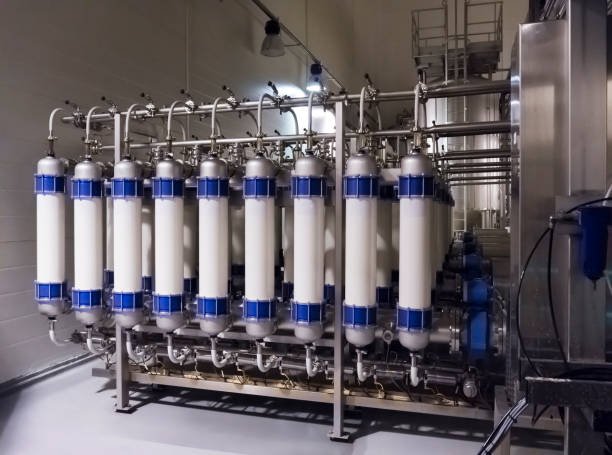
India's growing focus on water security, wastewater reuse, and sustainable infrastructure is accelerating the adoption of advanced membrane filtration technologies. Rapid urbanization, expanding industrial activity, and increasing pressure on freshwater resources are encouraging utilities and industries to modernize treatment systems capable of delivering higher operational efficiency.
According to a Vyansa Intelligence report, the India Ultrafiltration Market size was valued at USD 180 Million in 2025 and is projected to reach USD 292.84 Million by 2032, growing at a CAGR of 7.2% during the forecast period.
The latest market analysis reflects how ultrafiltration is becoming an integral part of India's evolving water management ecosystem.
Water Infrastructure Modernization Is Creating New Growth Momentum
India's water infrastructure is undergoing a significant transformation as government initiatives continue expanding access to safe drinking water and improving wastewater treatment capacity. Large-scale investments in municipal utilities, industrial water management, and recycling facilities are increasing demand for efficient membrane-based filtration systems. This infrastructure-led transformation continues supporting long-term India Ultrafiltration Market growth, with utilities placing greater emphasis on treatment reliability, operational efficiency, and lifecycle performance.
Beyond expanding treatment capacity, infrastructure planners are increasingly prioritizing technologies that reduce operational costs while improving water quality. Ultrafiltration systems are emerging as an effective solution because they provide consistent filtration performance while supporting increasingly stringent treatment requirements across municipal and industrial applications.
Why Ultrafiltration Is Becoming the Preferred Treatment Technology
Unlike conventional filtration methods, ultrafiltration uses semi-permeable membranes to remove suspended solids, bacteria, viruses, and other contaminants without relying heavily on chemical treatment. The technology delivers high-quality treated water while improving downstream process efficiency and reducing membrane fouling in advanced treatment systems.
These performance advantages are influencing India Ultrafiltration Market trends as municipalities and industrial operators seek filtration technologies capable of supporting long-term operational reliability. The increasing preference for automated membrane systems also reflects the broader transition toward smarter and more sustainable water infrastructure.
Digital Technologies Are Improving System Performance
Digital transformation is changing how ultrafiltration systems are designed, monitored, and maintained. Modern facilities are increasingly integrating supervisory control systems, remote monitoring, artificial intelligence, predictive maintenance, and real-time performance analytics into treatment operations. These emerging technologies allow operators to optimize membrane performance, reduce downtime, and improve energy efficiency through data-driven operational decisions.
According to this industry report, digital integration is expected to remain an important factor influencing the India Ultrafiltration Market forecast as utilities continue modernizing water treatment infrastructure with intelligent operational capabilities.
Industrial Water Reuse Is Expanding Market Demand
Industrial sectors are becoming major adopters of ultrafiltration technology as water conservation moves higher on corporate sustainability agendas. Industries including pharmaceuticals, food and beverage processing, chemicals, power generation, textiles, and electronics require advanced filtration systems capable of maintaining consistent water quality while supporting wastewater recycling initiatives.
Growing industrial adoption is strengthening India Ultrafiltration Market demand, particularly as manufacturers seek to reduce freshwater consumption and improve compliance with evolving environmental regulations. Water reuse strategies are increasingly viewed not only as sustainability initiatives but also as practical solutions for improving long-term operational resilience.
Sustainability Goals Are Accelerating Technology Adoption
Water sustainability has become a central priority across India's infrastructure landscape. Government programs encouraging wastewater reuse, improved sanitation, and responsible water resource management are creating favorable conditions for advanced membrane technologies. Ultrafiltration supports these objectives by enabling efficient contaminant removal while reducing dependence on intensive chemical treatment processes.
These sustainability trends are encouraging both public and private organizations to invest in treatment systems that improve environmental performance while supporting long-term water security. As sustainability objectives become more integrated into infrastructure planning, membrane-based treatment technologies are expected to play an increasingly important role in future water management strategies.
Investment Opportunities Continue to Expand
The combination of urban infrastructure development, industrial modernization, and increasing emphasis on treated wastewater reuse is creating substantial growth opportunities across India's water treatment sector. New municipal treatment facilities, industrial process upgrades, and decentralized water management projects are all contributing to broader India Ultrafiltration Market expansion.
At the same time, rising investment trends in digital infrastructure, automation, and smart utility management are encouraging wider adoption of integrated ultrafiltration systems that combine filtration efficiency with advanced monitoring capabilities. This combination of infrastructure development and technological innovation continues strengthening long-term industry prospects.
Outlook for the Industry
The India Ultrafiltration Market outlook remains supported by infrastructure modernization, stronger environmental policies, and increasing investment in sustainable water treatment solutions. As municipalities and industries continue upgrading aging treatment facilities, demand for efficient membrane technologies is expected to remain resilient.
The broader industry outlook also reflects India's long-term commitment to improving water security through digital innovation, wastewater reuse, and modern treatment infrastructure. Continued advancements in membrane materials, intelligent monitoring systems, and automation are expected to shape the future direction of the industry while supporting reliable water treatment across diverse applications.
Conclusion
Ultrafiltration is becoming an increasingly important component of India's strategy for improving water quality, expanding treatment capacity, and strengthening environmental sustainability. According to a Vyansa Intelligence report, infrastructure investment and technological innovation continue to support the long-term evolution of the sector. As digital transformation, water reuse initiatives, and sustainability objectives gain momentum, the India Ultrafiltration Market is expected to remain well positioned for continued development while supporting the country's broader water management goals.