How Trees Respond to Pressure: What Extreme Conditions Teach Us About Their Limits
By quillstreeservices 11-12-2025 59
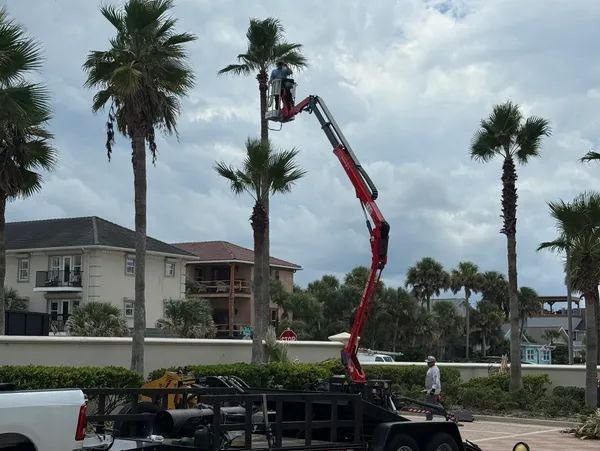
Our work with trees often brings us face-to-face with situations where nature pushes them far past their comfort zone. Whether it’s storms, soil changes, or slow internal decay, trees have limits just like anything else. And when those limits get tested, they show signs—quiet ones at first, but clear enough for us to spot if we pay attention.
We see this a lot while handling services such as Tree removal jacksonville, where trees reach a point they can no longer recover from environmental stress.
This idea—understanding how trees react under pressure—is something property owners rarely think about. Yet, it’s one of the most important parts of maintaining safe outdoor spaces.
1. Trees Aren’t Just Growing… They’re Adjusting Every Day
Trees spend their entire life adjusting to the world around them. They lean toward light. They adapt to wind. They stretch roots toward moisture. They even change the direction of branch growth when something blocks their path.
We’ve learned through years of work that a tree’s shape is never random. Every curve, tilt, and line tells a story. And when something goes wrong, that story becomes even louder.
These small signs help us understand whether a tree is simply growing—or struggling.
2. The Hidden Pressure That Builds Underground
Most people only see what happens above the ground. Yet the real stress often begins beneath the soil. Roots face more problems than many realize:
Soil that becomes too compact
Underground construction work
Drainage changes
Lack of oxygen
Sudden flooding
Roots don’t yell or crack loudly when stressed. Instead, they weaken slowly, and the effects eventually appear in the canopy.
We often discover these hidden issues during urgent calls for Tree removal orange park, where root failure becomes obvious only after a tree leans or begins to fall.
3. The Way Trees Signal Distress Through Their Bark
The bark acts like a protective coat. When it changes, the tree is almost always sending a message.
Here’s what we commonly see:
Deep vertical cracks
Bark falling off in patches
Soft spots that sink under pressure
Fungal growth around the trunk
These issues often start quietly. But once they spread, the tree’s structural strength changes fast. We’ve seen trees go from stable to unsafe in just a few months because bark decay allowed moisture and insects deeper into the trunk.
4. Weather Pushes Trees Harder Than Most People Expect
Trees are tough, but extreme weather tests them constantly. High winds twist limbs. Heavy rains load branches. Sudden temperature drops create small fractures.
One of the biggest pressures comes from repeated storms. A branch weakened in one storm may not break until the next. A slightly leaning trunk may shift more after every wind event.
Each episode adds up until the tree reaches its limit.
We’ve seen this pattern clearly while working with trees stressed by flooding, lightning, or back-to-back storms. And truthfully, weather tells us more about a tree’s future than most conditions.
5. When Branches Break, They Don’t Break for No Reason
A falling branch may look like an accident, but there’s always a cause:
Overloaded weight
Internal decay
Poor branch angles
Rapid growth
Insect weakening
When branches drop often, the tree is reducing stress on itself. It’s trying to survive by shedding weight. This natural reaction tells us there’s a deeper issue that needs attention.
We use these clues as early warnings during tree inspections. And interestingly, the amount and size of debris around a tree often reveal how long it has been struggling.
6. Crowded Spaces Make Trees Behave Differently
Not all tree issues come from nature. Some come from the way we use the space around them.
When areas are developed or redesigned, trees must adjust quickly. Driveways, fencing, walkways, patios, and heavy foot traffic all change the soil around the roots. This pressure limits growth and weakens stability.
Once the root space is restricted, the tree starts showing symptoms such as:
Thinning leaves
Slow branch growth
Early leaf drop
Uneven canopy depth
We’ve learned that even minor changes—like adding several inches of soil around a trunk—can affect the tree’s entire support system.
7. How Trees Respond When They Have No More Room to Grow
Trees need space just to exist. When that space disappears, they react. Branches bend. Roots distort. Growth slows. And sometimes, trees begin growing in unnatural shapes simply to reach sunlight.
These unusual responses can make the tree unstable. We’ve seen trees twist into odd angles because nearby structures blocked their normal growth paths.
When a tree becomes so misshapen that it can’t support its own weight, removal becomes the safest option.
This is where our expertise helps us guide property owners through decisions about long-term stability.
8. Internal Decay Works in Silence
The most dangerous pressure is often the one we can’t see. Internal decay spreads quietly inside the trunk, usually without any signs on the outside.
By the time the surface shows damage, the inside may already be hollow or weakened.
Some of the main causes include:
Fungus
Long-term moisture
Insect tunneling
Structural cracks left unhealed
Internal decay is one of the biggest reasons trees fail without warning. We’ve cut into trunks that looked normal only to find soft, crumbly interiors that couldn’t possibly hold up in a strong storm.
9. How We Read These Signs to Understand a Tree’s Condition
Our work has taught us to read the clues that trees leave behind. We look for small changes that reveal larger issues.
For example:
A sudden lean tells us the roots are losing grip.
Sparse leaves on one side point to underground damage.
A branch that grows downward instead of outward hints at imbalance.
Mushrooms near the base suggest internal decay.
Each sign helps us understand what the tree is experiencing, how long it has been stressed, and what steps will keep the property safe.
10. When Pressure Reaches the Point of No Return
Trees are surprisingly resilient, but they can’t recover from everything. And when they reach their limit, they often become unsafe.
That’s why removal is sometimes the only responsible decision.
Situations like:
Severe leaning
Split trunks
Deep decay
Major root failure
Hazardous cracks
These conditions usually cannot be reversed. Our job is to determine when the risk becomes too great.
11. Why Understanding Tree Pressure Helps Property Owners
Many property owners don’t realize how much information a tree provides. Early signs are subtle but valuable. When we share what we see, it helps people:
Plan ahead
Reduce unexpected hazards
Understand natural behavior
Preserve safe outdoor areas
Knowledge makes tree care smoother and less stressful. And we always aim to explain things in plain language so property owners feel confident in their choices.
12. Final Thoughts: Trees Speak Through Their Reactions—We Just Have to Notice
Trees react to pressure the same way we do—they respond, adapt, and change based on what they face. Their signals may be quiet, but they’re always present.
Whether we’re handling everyday evaluations or larger tasks connected to Tree removal jacksonville or Tree removal orange park, our experience shows that trees rarely fail without warning.
They speak.
They respond.
And they leave clues everywhere.
We just have to pay attention.