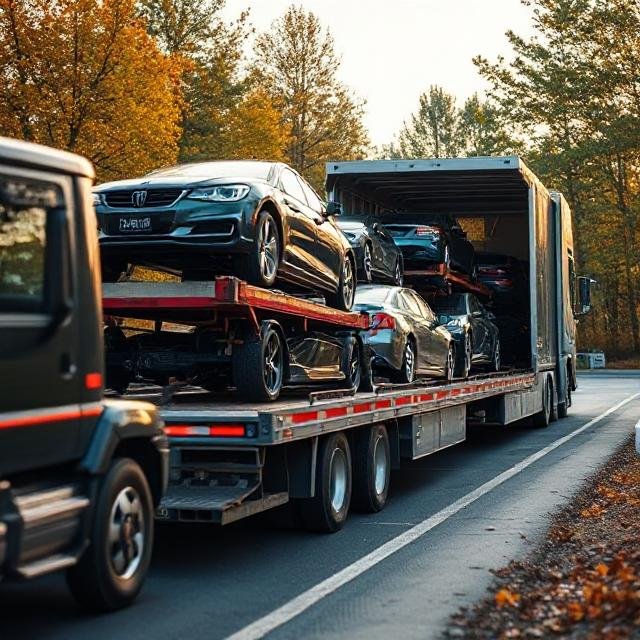
You’d think logistics companies are raking it in lately—everyone’s moving something somewhere. But it’s not that simple. Every seamless delivery masks a lot of stress, hazardous guesses, and constant juggling. You can't just buy extra vehicles overnight. The real challenge is figuring out how much demand there will be and keeping everything going when everything goes wrong at once. So, if you’re planning to ship a car or send belongings across the country, it’s worth understanding what goes on behind the scenes. Companies for auto relocation in New York, for instance, don’t just rely on luck—they rely on careful planning and a bit of foresight.
Forecasting Demand Through Data and Patterns Analysis
Good logistics companies don't wait for turmoil. They seek patterns. Perhaps bookings peak before summer vacation or individuals start scheduling moves weeks before major holidays. Though minor, these features help companies prepare before the rush.
Most of them use predictive analytics—fancy software that digs into old booking data and compares it with current activity. It’s like weather forecasting, but for demand. The system might notice, for example, that bookings for car transport usually rise in late May or that certain routes clog up when big events happen in specific cities. With that information, dispatchers can decide how to distribute their fleets, when to add shifts, or when to give drivers a breather.
The same technology also accounts for things people can’t control, like weather or traffic snarls. That’s the beauty of it—companies can plan routes that flex when reality doesn’t play along. If a storm hits or a freeway shuts down, backup routes kick in without the driver having to panic or guess. And because so much of this is automated, adjustments happen quickly. It’s not foolproof, but it’s a lot better than reacting too late.
Strategic Fleet Management During Peak Times
Of course, all that planning means nothing if the vehicles themselves aren’t ready. A truck that breaks down mid-route can throw off an entire day’s schedule. That’s why good transport services put a lot of energy into fleet maintenance. They check, clean, and repair long before an issue turns into an emergency.
It's very vital to be adaptable. Some transportation companies rent extra vehicles or work with other companies when things get busy to help with the rush. It's a sensible way to keep businesses going without using up all of their vehicles. The tricky part is figuring out what takes priority. A dealership waiting on new models can’t sit still, while a long-distance home move might wait a day. Auto Relocation New York shows timing often matters more than sheer speed.
Can Innovation Streamline Daily Business Operations?
Technology has become the nervous system of modern logistics. GPS tracking, dynamic routing apps, and automated scheduling tools give dispatchers a live view of where everything is and how it’s moving. You can literally watch your car’s journey in real time, which is both oddly satisfying and incredibly practical.
But tech isn’t just about tracking—it’s about communication. Picture a vehicle caught in traffic or a last-minute booking coming up. The system tells everyone right away, so routes may change without causing havoc. It’s almost like each delivery has its own tiny control tower. These digital systems keep workloads fair, stop overbooking, and, oddly enough, make operations feel more human by removing the endless juggling so people can actually think and solve problems.
Staff Training and Flexible Workforce Management
For all the gadgets and automation, logistics still depends on people who know how to think on their feet. A team that's well-trained can really make or break how smoothly things go. Companies that invest in good training for their staff to handle pressure, communicate effectively with customers, and follow safety rules usually perform better. This is especially true when the workload suddenly doubles.
Adaptability is key here. Some workers are cross-trained to handle multiple roles, which means fewer delays when something unexpected happens. A driver might help with scheduling one day, while a dispatcher might assist with customer updates another. This kind of flexibility keeps response times quick and the service consistent.
And motivation also counts just as much. When workers actually feel appreciated, they start treating every shipment like it’s their own car on that truck. Some companies even toss in bonuses or small perks for honesty and quick thinking under pressure. That mindset doesn’t stop there—you can sense it when your vehicle shows up on time, clean, and unharmed.
Conclusion
When demand spikes, it’s not enough to just throw more trucks or drivers at the problem. You need to be able to see the future, plan well, and hire people who know what they're doing. East Coast Auto Haulers is a great example of a business that always does well, even when things are tough. They have a good name because they keep car transfer going smoothly, even when things get crazy. Yet what’s really interesting is how they handle sudden curveballs—because moving cars isn’t just about simple logistics. It's about making sure that everything gets there on time and in good shape, keeping people safe, and meeting their needs. They are different from the others because they have a lot of experience, good judgment, and are open to changing their ideas.