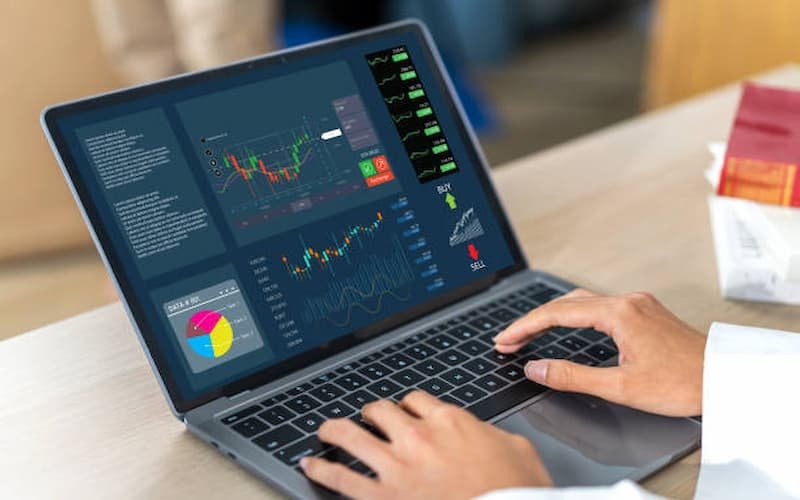
In today’s fast-moving financial markets, investors and traders need more than just access to charts—they need clarity, real-time insights, and performance tracking in one place. This is where trading dashboards become essential. With the help of Trading software, modern dashboards have evolved into powerful tools that help users monitor portfolio performance, analyze risk, and make smarter trading decisions in real time.
A trading dashboard acts as a central command center where all portfolio data is visualized in a structured and easy-to-understand format. Instead of manually checking multiple platforms or spreadsheets, traders can see everything in one place, from profit and loss to asset allocation and market exposure.
This guide explains how trading dashboards help track portfolio performance, why they are important, and how they improve decision-making for both beginners and professional traders.

What Is a Trading Dashboard?
A trading dashboard is a visual interface that displays real-time and historical data about your trading portfolio. It consolidates information from multiple exchanges, brokers, or asset classes into a single view.
Instead of switching between charts, reports, and transaction logs, traders can instantly view key metrics such as overall portfolio value, individual asset performance, and market trends.
Modern dashboards are interactive, allowing users to filter data, compare performance over time, and analyze trading behavior with ease.
Why Portfolio Tracking Matters in Trading
Portfolio tracking is one of the most important aspects of successful trading. Without proper tracking, traders often lose visibility over their actual performance and risk exposure.
A well-tracked portfolio helps answer critical questions such as how much profit is being made, which assets are underperforming, and whether the overall strategy is working. It also helps identify emotional trading patterns, such as overtrading or holding losing positions for too long.
Without dashboards, traders rely on fragmented data, which increases the risk of poor decision-making. A centralized view eliminates confusion and improves financial discipline.
How Trading Dashboards Track Portfolio Performance
Trading dashboards are designed to collect, process, and visualize large amounts of trading data in real time. They provide a complete overview of portfolio health and performance metrics.
1. Real-Time Portfolio Valuation
One of the most important features of a trading dashboard is real-time valuation. It continuously updates the total value of your portfolio based on live market prices. This allows traders to instantly see how their holdings are performing as markets fluctuate.
For example, if Bitcoin or stock prices change, the dashboard automatically reflects gains or losses without manual calculation.
2. Profit and Loss Tracking
Dashboards provide detailed profit and loss (P&L) tracking for both individual trades and the overall portfolio. This helps traders understand which strategies are working and which are not.
Instead of guessing performance, traders can clearly see realized and unrealized profits. This transparency is essential for refining trading strategies and improving long-term outcomes.
3. Asset Allocation Overview
A trading dashboard visually breaks down how your capital is distributed across different assets. This helps traders understand whether their portfolio is balanced or overly concentrated in one asset.
For example, a trader might realize they are heavily exposed to cryptocurrencies and decide to diversify into stocks or commodities to reduce risk.
4. Performance History and Trends
Historical performance tracking is another key feature. Dashboards allow traders to review how their portfolio has performed over days, weeks, months, or even years.
This long-term view helps identify patterns, such as seasonal trends or consistent underperformance in certain assets. It also helps evaluate whether a trading strategy is improving over time or needs adjustment.
5. Risk Exposure Monitoring
Risk management is critical in trading, and dashboards make it easier to monitor exposure. They show how much capital is at risk in open positions and whether leverage levels are safe.
Traders can quickly see if they are overexposed to volatile assets or if stop-loss levels need adjustment. This helps prevent large unexpected losses.
6. Trade Execution Insights
Trading dashboards also provide insights into trade execution quality. This includes entry and exit points, slippage, and timing efficiency.
By analyzing this data, traders can refine their strategies and improve execution accuracy. It also helps identify whether trades are being placed too early or too late in market cycles.
Benefits of Using Trading Dashboards
Trading dashboards offer several advantages that make them essential for both retail and institutional traders.
One of the biggest benefits is simplicity. Instead of analyzing multiple reports, traders can view all key metrics in one interface. This saves time and reduces complexity.
Another major advantage is accuracy. Since dashboards update in real time, they eliminate manual calculation errors and provide reliable data for decision-making.
They also improve discipline. When traders can clearly see their performance, they are more likely to stick to strategies and avoid emotional decisions.
Additionally, dashboards enhance transparency. Whether managing personal funds or client portfolios, having a clear visual representation of performance builds trust and accountability.
How Trading Dashboards Improve Decision-Making
Good trading decisions depend on accurate and timely information. Dashboards make this possible by presenting data in a structured and visual format.
Instead of relying on guesswork, traders can analyze actual performance metrics. For example, if a portfolio is consistently underperforming, the dashboard will highlight it clearly, allowing quick corrective action.
Dashboards also help traders identify opportunities faster. By monitoring live price movements and performance indicators, users can react quickly to market changes.
Over time, this leads to more informed and strategic trading decisions.
Key Features of a High-Quality Trading Dashboard
A strong trading dashboard typically includes real-time data synchronization, multi-asset tracking, and customizable views. It should allow users to connect multiple exchanges and view consolidated performance.
Advanced dashboards also include analytical tools such as performance heatmaps, risk scoring systems, and automated reporting. These features help traders go beyond basic tracking and perform deeper analysis.
Integration with APIs is also important, as it ensures seamless data flow between trading accounts and the dashboard interface.
Challenges in Portfolio Tracking Without Dashboards
Without trading dashboards, portfolio tracking becomes inefficient and error-prone. Traders often rely on spreadsheets or manual logs, which can quickly become outdated.
This leads to inaccurate performance analysis and delayed decision-making. It also increases the chances of missing important market movements or miscalculating risk exposure.
In fast-moving markets, even small delays in data interpretation can lead to missed opportunities or unnecessary losses.
Future of Trading Dashboards
The future of trading dashboards is becoming more intelligent and predictive. Artificial intelligence and machine learning are increasingly being used to forecast market trends and suggest optimized portfolio adjustments.
In the coming years, dashboards will likely become more automated, offering real-time recommendations based on market conditions and user behavior. This will further simplify portfolio management and improve trading efficiency.
Conclusion
Trading dashboards play a crucial role in helping traders track portfolio performance with accuracy and clarity. By consolidating real-time data, profit and loss metrics, asset allocation, and risk exposure into a single interface, they provide a complete view of trading activity.
When combined with modern trading systems and analytics, dashboards empower traders to make faster, smarter, and more informed decisions. In an environment where markets move rapidly, having a clear and centralized performance view is not just helpful—it is essential for long-term success.
Tags : Trading software