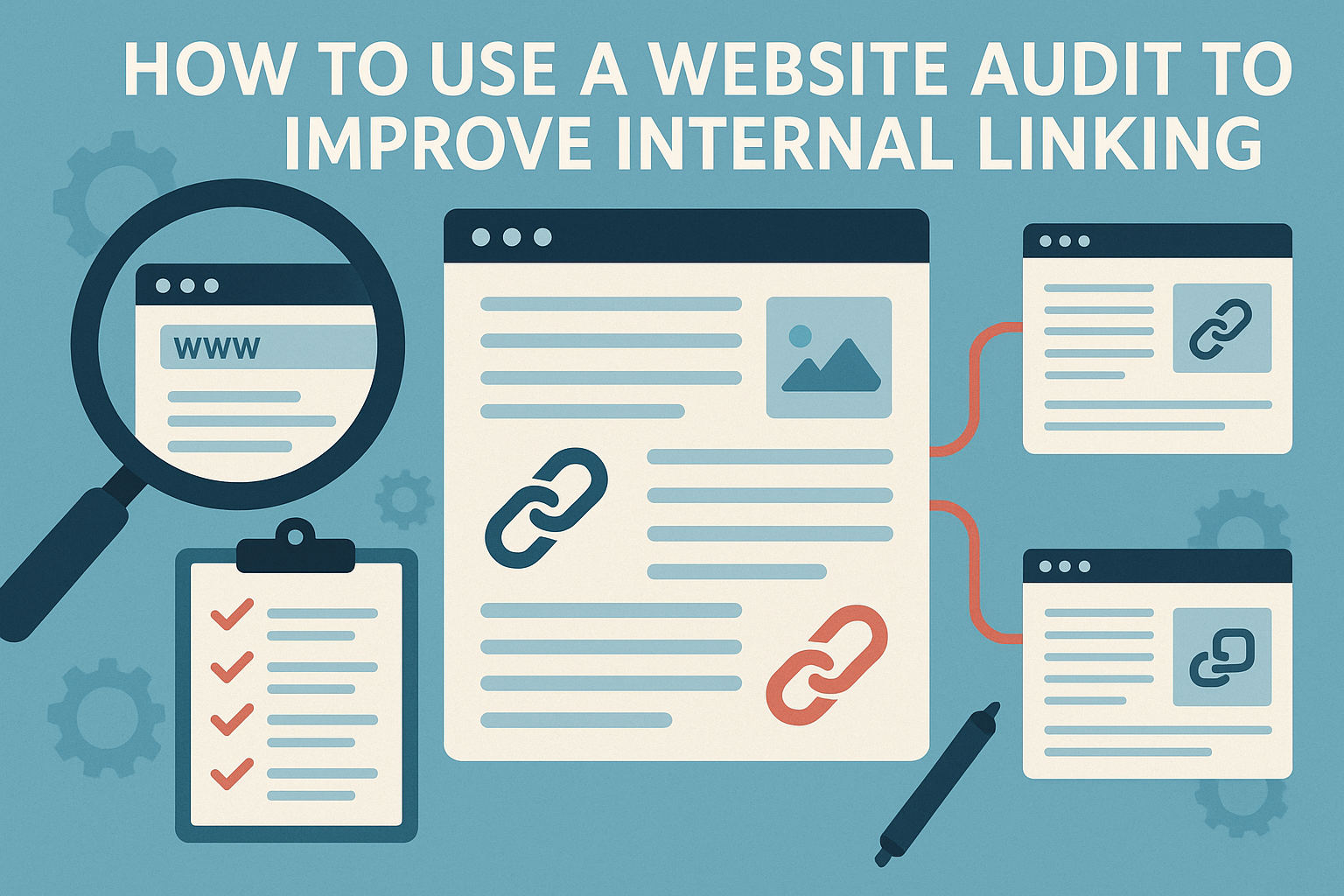
Internal linking often doesn’t get the attention it deserves, yet it plays a crucial role in shaping user experience, guiding search engines, and boosting overall site performance. A well-structured internal linking strategy can make the difference between a website that simply exists online and one that ranks competitively on search engine results pages (SERPs). One of the most effective ways to identify and enhance your internal linking structure is through a thorough website audit. In this guide, we’ll explore how to leverage audits to uncover internal linking opportunities, strengthen site architecture, and improve both SEO and user experience.
Why Internal Linking Matters
Internal links are hyperlinks that connect one page of a website to another. While they might seem simple, their impact is far-reaching:
- Improved Navigation: They guide users through your content, keeping them engaged longer.
- Crawl Efficiency: Search engine bots use internal links to discover and index content.
- Authority Distribution: Links help distribute page authority (link equity) across your site.
- Content Hierarchy: They define the relationships between pages, showing search engines which ones are most important.
When implemented effectively, internal linking helps you maximize the value of every piece of content you publish.
The Role of a Website Audit in Internal Linking
Conducting an audit is the first step toward understanding how your current internal linking strategy is performing. A SEO website audit Sydney not only highlights technical issues but also reveals gaps in your linking structure that may be limiting your site’s potential.
For example, you may discover orphan pages (pages not linked to from anywhere), over-optimized anchors, or critical pages buried deep within the site. These insights provide the foundation for meaningful improvements.
Steps to Use a Website Audit for Internal Linking
1. Map Out Your Current Structure
The first step is to create a visual or spreadsheet map of your site’s existing structure. Most auditing tools provide a crawl report that shows how pages are connected. This gives you a bird’s-eye view of how search engines interpret your site.
Ask yourself: Are the most important pages easy to reach within three clicks? Are there unnecessary layers that confuse navigation?
2. Identify Orphan and Low-Linked Pages
An audit can highlight pages that have little to no internal links pointing to them. These “orphaned” or weakly connected pages are often invisible to both search engines and users. Adding relevant links from higher-authority pages ensures they get indexed and gain visibility.
3. Evaluate Anchor Text Usage
Anchor text plays a significant role in signaling to search engines what a linked page is about. During your audit, review whether anchor texts are descriptive, natural, and varied. Overusing exact-match keywords can look spammy, while vague text like “click here” adds little SEO value.
Instead, strike a balance by using anchors that clearly describe the destination while maintaining a natural tone.
4. Redistribute Link Equity
High-authority pages, such as blog posts with backlinks or cornerstone content, can serve as powerful hubs. By linking these pages to underperforming ones, you pass valuable authority where it’s most needed.
An audit will show you where this flow of link equity can be optimized. This ensures your most critical pages aren’t left underpowered.
5. Check for Broken Links
Broken internal links not only frustrate users but also waste crawl budget. A thorough website audit identifies broken links so you can update or remove them. This small fix can have a big impact on overall site health and usability.
6. Optimize Content Clusters
Content clustering is a modern SEO practice where related articles or pages link to each other and a central “pillar” page. Audits help you identify opportunities to create or refine these clusters. For instance, if you have multiple blogs on a topic, ensure they link back to a comprehensive guide, consolidating authority and relevance.
7. Prioritize User Experience
Remember, internal linking is not just about search engines—it’s about helping users. Your audit should evaluate whether links are placed logically, in context, and in a way that encourages deeper exploration.
A good rule of thumb is to place links where they provide additional value, such as linking from an article on “SEO basics” to a detailed guide on keyword research.
Tools to Assist in the Process
Several tools can make auditing and improving internal links more efficient:
- Screaming Frog SEO Spider: Excellent for crawling and identifying linking issues.
- Google Search Console: Helps you see which pages get the most internal links.
- Ahrefs or SEMrush: Offer detailed reports on internal linking opportunities.
Combining these tools ensures a comprehensive view of your site’s linking structure.
Continuous Improvement
Optimizing internal linking is not a one-time task. As your site grows with new content, regular audits ensure that everything remains interconnected and aligned with your SEO goals. A seo website audit every few months helps maintain a healthy structure and keeps your strategy current with evolving search engine algorithms.
Internal linking is one of the most overlooked yet impactful aspects of SEO. When guided by insights from a website audit, your linking strategy can transform from a passive element to an active driver of rankings, traffic, and engagement.
By mapping your structure, fixing orphan pages, optimizing anchors, redistributing link equity, and prioritizing user experience, you create a more cohesive and authoritative site. Over time, these efforts pay off in higher visibility, improved crawl efficiency, and a smoother journey for your visitors.