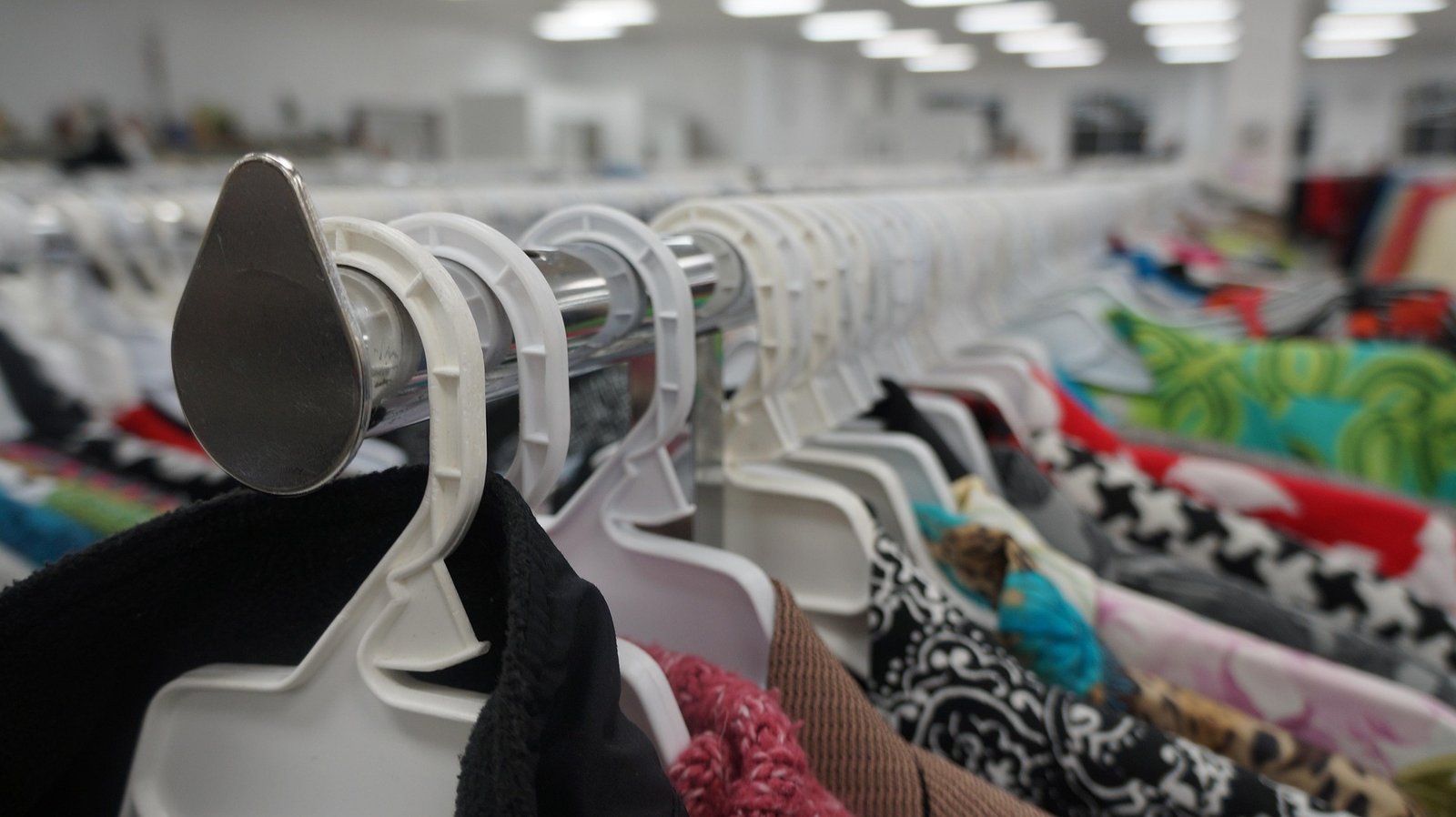
Shopping in an online thrift store has become one of the most exciting, affordable, and sustainable ways to refresh a wardrobe. Beyond saving money, there is another thrill that attracts thousands of buyers every day—the possibility of finding high-value items hidden amongst everyday listings. These could be premium designer pieces, rare vintage clothing, or limited-edition accessories worth far more than their selling price.
But how do you recognise such items online when you can’t physically inspect them?
Here’s a complete guide to help you identify high-value finds when browsing online thrift stores.
1. Know What Qualifies as a High-Value Item
A high-value thrift item can fall into several categories, including:
Luxury or designer brands
Quality handcrafted pieces
Limited-edition or discontinued lines
Rare vintage apparel
Items in near-new condition
Original packaging / tags included
Different buyers define value differently—but these categories consistently hold strong resale or long-term value.
2. Research Designer Labels and Recognised Brands
Before you start browsing, develop basic awareness of reputable luxury and mid-lux brands.
Examples worth watching for:
Louis Vuitton
Prada
Coach
Chanel
Ralph Lauren
Guess
Tommy Hilfiger
Nike collab drops
Levi’s vintage denim
Adidas Originals
Designer pieces can often show up in listings priced much lower than market value—especially when sellers don’t realise their worth.
3. Carefully Analyse Fabrics and Material Quality
Material tells a story.
High-value clothing is usually made from premium fabrics such as:
100% wool
Leather
Genuine suede
Cashmere
Silk
Linen
Structured cotton
High-grade denim
If the item description lists synthetic blends as the primary material, it’s less likely to hold significant value unless the brand itself carries prestige.
Zoom in on fabric texture, seams, and stitching whenever possible.
4. Study Product Photos Like an Expert
Since you cannot inspect items physically, photos are your best tool.
Look closely for:
Thick quality stitching
Hardware quality (zips, buttons, buckles)
Inside lining
Tag authenticity
Wear marks or faults
Serial numbers (bags/shoes)
Leather aging
Finish consistency
Bad pictures often hide great deals—but unclear pictures may also hide problems.
5. Read the Full Description Without Skipping
Descriptions contain crucial clues:
A valuable listing normally includes:
Brand name
Fabric details
Size & measurements
Year/collection
Condition notes
Damage disclosure
Always prioritise sellers who offer complete descriptions—they are more trustworthy.
If anything is unclear, message the seller.
6. Hunt for Vintage, Limited & Discontinued Items
Some pieces increase in value with age.
Examples of high-value vintage finds include:
Classic leather jackets
80s–90s denim
Band tour T-shirts
Retro sports jerseys
Vintage silk scarves
Old production designer bags
Vintage doesn’t equal old—it means collectible.
The rarer the piece, the more valuable it can become over time.
7. Look for Items With Tags & Original Packaging
This dramatically increases value.
Examples:
Shoes with original box
Bags with dust bag
Jewelry certificates
Designer packaging paper
Brand authenticity cards
These are indicators of premium quality and care.
8. Compare Prices Before Buying
Do not rely on the seller’s listed price alone.
Compare using:
Retail price history
Current brand site pricing
Resale platform pricing
Auction archive values
This tells you if you’re getting:
a) a decent deal
b) a great deal
c) an unbelievable steal
Online thrift store shoppers who check prices usually get the best treasures.
9. Pay Attention to Condition Ratings
Condition matters as much as the brand.
Common ratings include:
New with tags
Like new
Excellent
Good
Fair
For parts/repair
High-value pieces in good or excellent condition are rare—grab them when found.
10. Trust Your Instincts…but Verify
Sometimes you just know something looks valuable.
Experience sharpens your instincts.
But instincts must be backed by research.
That’s how professionals do it.
Final Thoughts
Finding high-value items in online thrift stores takes a combination of skill, patience, and awareness. It’s not just about luck—it’s about knowing how to identify price, quality, condition, and rarity through photos and descriptions.
With the right mindset and strategy, you can discover incredible pieces for just a fraction of their true worth.
Treasure isn’t only found—it’s recognised.