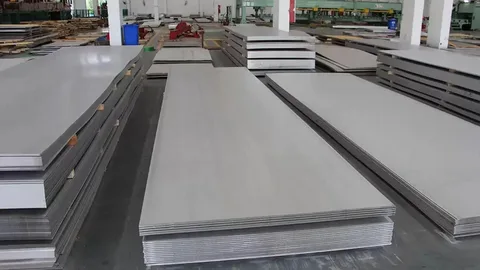
304 stainless steel is an austenitic grade that is popular for a wide variety of industrial, commercial, architectural and fabrication projects. Choosing the right sheet means more than just looking at the material grade. You must check the thickness, surface finish, dimensions, strength, exposure to corrosion and processing requirements. Many of the basic requirements of normal metal fabrication are met with a standard stainless steel 304 sheet. The exact physical specifications needed for the final part prior to the start of processing will depend on the precise parameters of your project.
What Is a Stainless Steel 304 Sheet?
A standard stainless steel 304 sheet is a flat-rolled metal product defined by its specific chromium-nickel chemical composition. This base chemistry provides general corrosion resistance, excellent formability, and good weldability. A 304 stainless steel sheet is a commonly selected material for everyday fabrication work. The main difference between a sheet and a plate is based on thickness classifications and standard supplier conventions. Sheets are generally thinner-gauge material below specific thresholds. Material specifications must be confirmed according to specific project requirements before any initial cutting begins.
Key Properties of SS 304 Sheet
Several inherent material properties influence the final selection process heavily. These basic characteristics dictate how the metal behaves during fabrication and actual industrial field use.
- The material provides general corrosion resistance across standard operating environments.
- It offers good strength and durability for typical load-bearing applications.
- The metal shows excellent formability and good weldability using standard commercial fusion welding techniques.
- The material maintains a smooth surface and resistance to oxidation under suitable operating temperatures.
- The metal exhibits non-magnetic behavior in the annealed condition, although mechanical processing introduces some magnetism.
- Buyers find availability in different thicknesses and surface finishes from global suppliers.
Factors to Consider When Selecting a 304 Stainless Steel Sheet
Evaluating the right material involves reviewing specific project parameters carefully. This step prevents component failure and ensures proper manufacturing alignment before any initial fabrication begins.
Application and Service Environment
Identify the intended use of the sheet immediately. Consider basic exposure to moisture, chemicals, salts, and environmental contaminants. Review the operating temperature and general environmental conditions. Determine whether SS 304 sheet is suitable or whether another grade may be required.
Required Thickness and Dimensions
Select the required thickness, length, width, and dimensional tolerance according to specific equipment design parameters. Consider final component size, bending needs, and expected material wastage. Avoid selecting material dimensions based only on low price or immediate local supplier material availability.
Strength and Mechanical Requirements
Evaluate the tensile strength, yield strength, and percentage elongation. Consider physical impact, heavy load, mechanical vibration, and specific service conditions. Many applications specify high-strength 304 stainless steel sheets when discussing strength and long-term mechanical durability for heavy industrial usage.
Surface Finish and Fabrication
Common finish options include 2B, BA, No. 4 brushed, or No. 8 mirror finish. Confirm that the exact finish and selected thickness are completely suitable for severe bending, deep drawing, basic cutting, heavy punching, or complex welding manufacturing factory operations.
Standards and Specifications
Specify an ASTM A240 TP304 sheet for applicable flat-rolled stainless steel products. Verify the required grade, chemical composition, mechanical properties, dimensions, and manufacturing tolerances. Confirm compliance with relevant project or specific industry specifications. Request a Material Test Certificate where required.
Applications of 304 Stainless Steel Sheet
This versatile material supports numerous industrial sectors effectively. Proper material selection ensures long-term operational success across different demanding mechanical environments and heavy manufacturing plant applications.
Industrial equipment and enclosures
Manufacturers build heavy industrial equipment and protective electrical enclosures from this metal. The material directly resists physical impacts and provides a strong barrier against typical factory floor contaminants and moisture.
Food and kitchen equipment
Fabricators construct food processing machinery and commercial catering tables using this specific alloy. The smooth finish prevents bacterial growth and handles frequent chemical washing without degrading the underlying bare metal.
Pharmaceutical and laboratory equipment
Companies manufacture sensitive pharmaceutical and specialized laboratory equipment with this durable material. The metal resists degradation from strong cleaning agents while maintaining strict purity standards required for precision medical manufacturing.
Architectural and automotive components
Builders install exterior architectural panels while automotive engineers specify structural vehicle components. The metal provides structural integrity against urban weather and handles mechanical vibration during standard daily field service operations.
Storage tanks and chemical handling
Welders build large storage tanks and custom fabrication parts for suitably mild chemical environments. The consistent material chemistry ensures predictable weld penetration and prevents premature structural failure during liquid storage.
General engineering components
Machine shops produce diverse general engineering and manufacturing components using this alloy. The predictable machining characteristics help operators maintain tight dimensional tolerances during high-volume mechanical part factory floor production.
How to Check the Quality of a 304 Stainless Steel Sheet
Verifying physical quality prevents expensive manufacturing rework later. Buyers must implement basic inspection procedures to confirm the material matches the requested purchase order specifications perfectly.
- Conduct chemical composition verification to ensure proper internal chromium and nickel levels.
- Request mechanical property testing to confirm acceptable yield strength and tensile limits.
- Perform strict thickness and dimensional inspection and a thorough surface quality assessment using calibrated factory tools.
- Schedule standard PMI testing where required for critical industrial pressure vessel applications.
- Require strict verification of basic ASTM A240 compliance and mandate a Material Test Certificate review.
- Perform a visual inspection for surface scratches, cracks, edge warping, and other visible physical material defects.
Conclusion
Proper material selection requires analyzing the application, required thickness, actual dimensions, surface finish, strength parameters, fabrication needs, and industry standards. The right stainless steel 304 sheet must match the project’s specific operating and manufacturing requirements directly. Buyers should always verify material quality, mill certification, and dimensional accuracy before purchasing bulk material.
Tags : Stainless Steel 304 Sheet