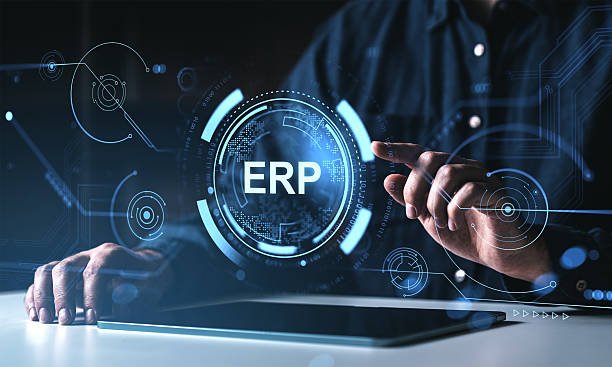
In today's competitive business environment, choosing the best ERP system in Saudi Arabia is more than just a technology decision—it's a long-term investment in operational efficiency, scalability, and sustainable growth. As businesses expand, managing finance, inventory, human resources, sales, procurement, and customer relationships through separate systems becomes increasingly challenging. An Enterprise Resource Planning (ERP) system brings all these functions together into a single platform, helping organizations improve productivity, reduce costs, and make informed decisions. However, selecting the right ERP requires careful planning to ensure it can support your business not only today but also in the future.
Understand Your Business Goals
The first step in selecting an ERP system is identifying your organization's long-term objectives. Every business has unique operational requirements, and an ERP solution should align with those goals rather than forcing your processes to fit the software.
Ask questions such as:
- Are you planning to expand into new markets?
- Will your workforce grow significantly over the next few years?
- Do you need better financial reporting or inventory management?
- Are you looking to automate repetitive business processes?
By defining your business priorities early, you can narrow your ERP options and focus on solutions that provide the features you truly need.
Evaluate Scalability
One of the biggest mistakes companies make is choosing an ERP system that only meets their current requirements. As your business grows, your software should grow with it.
A scalable ERP system should allow you to:
- Add new users without performance issues.
- Expand into multiple branches or locations.
- Manage increasing transaction volumes.
- Introduce new business units or product lines.
- Integrate additional modules as business needs evolve.
Scalability ensures that you won't have to replace your ERP system every few years, saving both time and investment.
Look for Industry-Specific Features
Different industries have different operational challenges. A manufacturing company has different needs than a retail business or a healthcare organization.
When evaluating ERP solutions, look for industry-specific functionality such as:
- Production planning for manufacturers
- Inventory optimization for retailers
- Project management for construction companies
- Patient management for healthcare providers
- Compliance reporting for financial institutions
Industry-focused ERP systems reduce the need for expensive custom development while improving operational efficiency.
Prioritize Ease of Use
Even the most advanced ERP system can fail if employees find it difficult to use. User adoption plays a critical role in ERP success.
Choose a solution with:
- An intuitive interface
- Easy navigation
- Mobile accessibility
- Personalized dashboards
- Minimal learning curve
A user-friendly ERP encourages faster adoption, reduces training costs, and improves employee productivity across departments.
Consider Cloud vs. On-Premise Deployment
Businesses today have multiple deployment options. Understanding the advantages of each model helps you make the right choice.
Cloud ERP
Cloud-based ERP systems offer:
- Lower upfront investment
- Automatic updates
- Remote accessibility
- Faster implementation
- Reduced IT maintenance
These solutions are ideal for growing businesses seeking flexibility and lower infrastructure costs.
On-Premise ERP
On-premise ERP provides:
- Greater control over data
- Internal server management
- Extensive customization
- Compliance with certain regulatory requirements
Organizations with strict data security policies may prefer this deployment model.
Evaluate your business needs, budget, and IT capabilities before making a decision.
Ensure Strong Integration Capabilities
Modern businesses rely on multiple software applications, including CRM platforms, e-commerce systems, payroll software, banking applications, and business intelligence tools.
An effective ERP system should integrate seamlessly with these existing systems to eliminate duplicate data entry and improve workflow efficiency.
Look for ERP solutions that support:
- API integrations
- Third-party software connectivity
- Payment gateway integration
- Business intelligence platforms
- Microsoft Office applications
Strong integration creates a connected digital ecosystem that improves overall business performance.
Analyze Reporting and Analytics Features
Data-driven decision-making has become essential for business growth. Your ERP should provide accurate, real-time insights that help management make informed decisions.
Important reporting features include:
- Financial dashboards
- Sales reports
- Inventory analysis
- Procurement reports
- Customer insights
- Employee performance tracking
Advanced ERP solutions also include predictive analytics, enabling organizations to forecast demand, identify trends, and reduce operational risks.
Review Security and Compliance
Business data is one of your organization's most valuable assets. Your ERP system should include comprehensive security features that protect sensitive information.
Look for capabilities such as:
- Role-based user access
- Data encryption
- Multi-factor authentication
- Regular security updates
- Backup and disaster recovery
- Audit trails
Additionally, ensure the ERP complies with local tax regulations, financial reporting standards, and industry-specific compliance requirements.
Evaluate Vendor Support and Experience
Selecting the right ERP software is only part of the process. The implementation partner plays an equally important role in long-term success.
Consider vendors that provide:
- Industry expertise
- Proven implementation experience
- Comprehensive user training
- Ongoing technical support
- Regular software updates
- Local customer service
Reading customer reviews, requesting product demonstrations, and speaking with existing clients can help you evaluate a vendor's reliability.
Understand the Total Cost of Ownership
Many organizations focus only on the initial purchase price when selecting an ERP system. However, long-term costs often extend beyond software licensing.
Consider expenses such as:
- Implementation services
- Employee training
- Data migration
- Customization
- Annual maintenance
- Technical support
- Future upgrades
Calculating the total cost of ownership helps businesses avoid unexpected expenses while ensuring a realistic return on investment.
Focus on Future Technologies
Technology evolves rapidly, and your ERP should be prepared for future innovation.
Look for systems that support emerging technologies such as:
- Artificial Intelligence (AI)
- Machine Learning
- Internet of Things (IoT)
- Robotic Process Automation (RPA)
- Predictive Analytics
- Mobile applications
An ERP that embraces innovation enables your organization to stay competitive as technology and customer expectations continue to evolve.
Involve Key Stakeholders
ERP implementation affects every department within an organization. Therefore, involving stakeholders throughout the selection process is essential.
Include representatives from:
- Finance
- Human Resources
- Operations
- Sales
- Procurement
- Inventory Management
- IT Department
Gathering feedback from multiple departments ensures the chosen ERP addresses the needs of the entire organization rather than a single team.
Test Before You Invest
Never choose an ERP based solely on brochures or sales presentations.
Request:
- Live demonstrations
- Free trials
- Pilot implementations
- Customized product walkthroughs
Testing the software allows your team to evaluate usability, functionality, reporting capabilities, and workflow compatibility before making a significant investment.
Final Thoughts
Choosing an ERP system is a strategic decision that can shape the future of your organization. The right solution should not only solve current operational challenges but also provide the flexibility, scalability, and intelligence needed to support long-term business growth. By carefully evaluating your business goals, scalability requirements, industry features, integration capabilities, security standards, vendor expertise, and total cost of ownership, you can invest in an ERP platform that delivers lasting value.
Rather than selecting software based solely on price or popularity, focus on finding a solution that aligns with your organization's vision and growth strategy. A well-chosen ERP system becomes more than a management tool—it becomes the foundation for operational excellence, improved decision-making, and sustainable business success.
Tags : ERP Software Business Growth